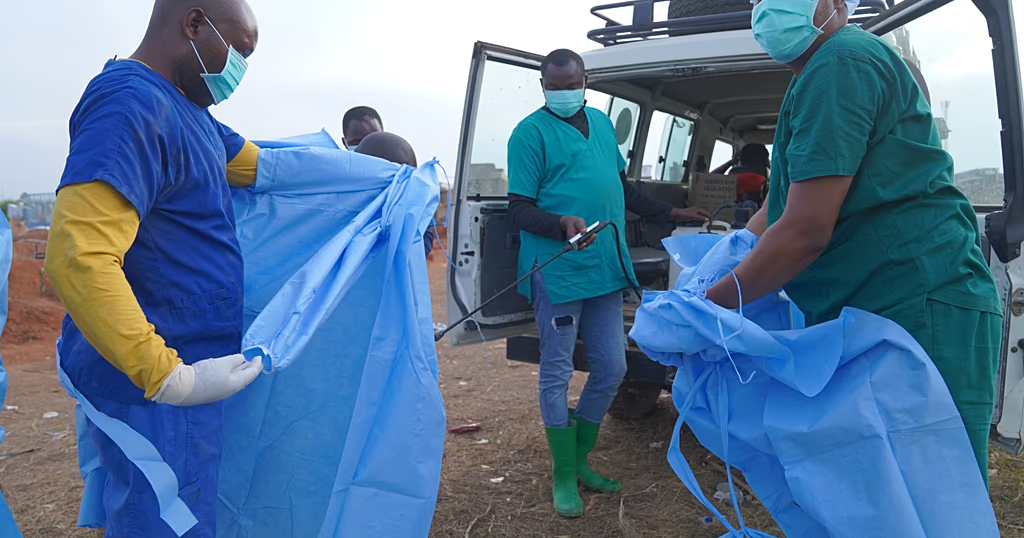
UN chief urges $1.1 billion to fight Ebola outbreak
THE NEWS: United Nations Secretary‑General António Guterres said an additional $1.1 billion is urgently needed to fight the Ebola outbreak, as the...
Read moreDetailsEvery alert that matters — when it happens.
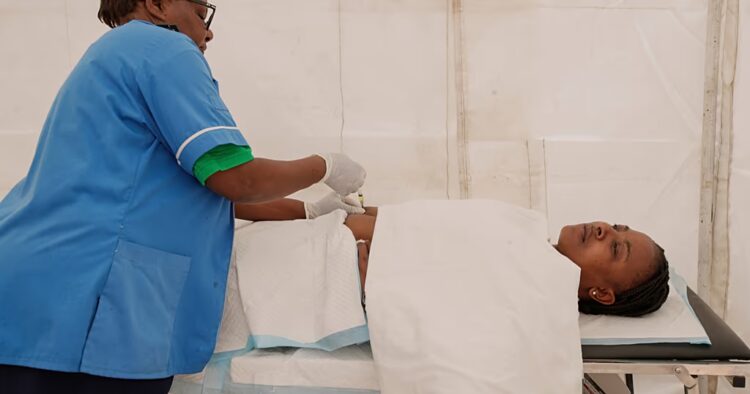
Zimbabwe roll-out of long-acting HIV prevention drug gets underway
Comprehensive Summarization:
The article reports on the launch of a new lenacapavir HIV prevention drug in Zimbabwe, a country where HIV has led to tens of thousands of deaths over the past two decades. The drug, administered twice a year, has shown near-total protection in clinical studies and is being rolled out in Zimbabwe, one of the first countries to do so. Health officials view this as a turning point for high-risk groups, marking a significant advancement in HIV prevention strategies.
Key Points:
Actionable Takeaways:
Increased Access to HIV Prevention: The introduction of a new HIV prevention drug that requires less frequent administration could significantly increase access to prevention for high-risk groups in Zimbabwe and potentially other countries facing similar health challenges. This could lead to a reduction in HIV-related deaths and improve overall public health outcomes in the region.
Innovation in HIV Treatment: The development and rollout of this new drug represent a major innovation in HIV treatment. It highlights the potential for advancements in pharmaceuticals to address long-standing health issues, particularly in regions with high HIV prevalence. This could set a precedent for similar innovations in other areas of global health.
Contextual Insights:
The rollout of this new HIV prevention drug in Zimbabwe is a significant event within the context of global health. It underscores the ongoing efforts to combat HIV/AIDS, a disease that has had a profound impact on numerous countries, particularly in sub-Saharan Africa. The fact that Zimbabwe is one of the first to implement this drug indicates a proactive approach to public health, potentially setting a benchmark for other countries in the region. Furthermore, this development aligns with broader trends in the travel industry, where health and safety considerations are increasingly important for travelers. As such, the introduction of this drug could influence travel advisories and health recommendations for tourists visiting Zimbabwe, emphasizing the importance of health precautions in travel planning. Additionally, this innovation could stimulate further investment and research in pharmaceuticals aimed at addressing other global health challenges, potentially leading to advancements in travel tech and healthcare services for travelers.
Read the Complete Article.
THE NEWS: United Nations Secretary‑General António Guterres said an additional $1.1 billion is urgently needed to fight the Ebola outbreak, as the...
Read moreDetails

Experience the magic of the Nile aboard Kenzy Dahabeya, a luxury boutique sailing cruise that offers an unforgettable journey between...
Read moreDetails