












Comprehensive Summarization:
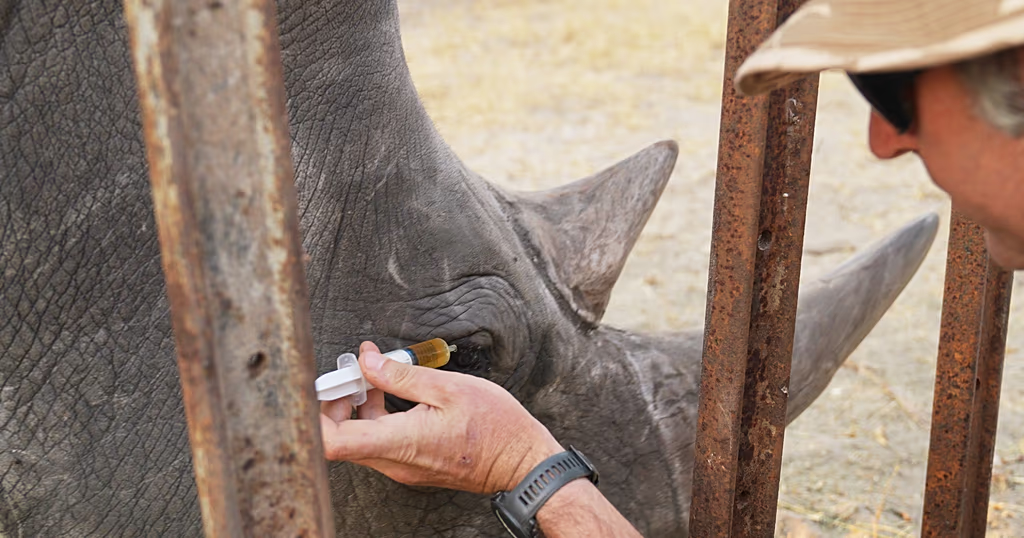
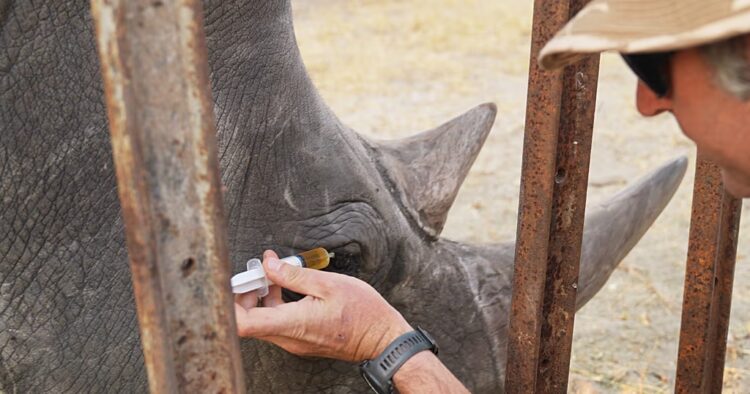
The article highlights an innovative conservation initiative in Zimbabwe where a rhino named Thuza is being rehabilitated to restore its eyesight, thanks to a collaborative effort between Imvelo Safari Lodges and local communities. Thuza, part of a pilot project aimed at reintroducing southern white rhinos to the Hwange National Park area, was initially experiencing severe eye issues, including bleeding and constant rubbing. The managing director of Imvelo Safari Lodges noticed these symptoms, raising concerns about Thuza’s potential loss of eyesight. This situation underscores the importance of community involvement in conservation efforts and the innovative approaches being taken to ensure the survival and well-being of endangered species. The article also touches on broader travel industry trends, emphasizing the role of technology and community engagement in conservation and sustainable tourism.
Key Points:
- Thuza, a southern white rhino, is being rehabilitated to restore its eyesight through a conservation initiative in Zimbabwe.
- The project involves Imvelo Safari Lodges and local communities, with Thuza serving as a pilot for reintroducing rhinos to Hwange National Park.
- Thuza’s eyes were bleeding and he was constantly rubbing them, indicating severe eye issues that could lead to blindness.
- The initiative highlights the importance of community involvement in conservation efforts and innovative approaches to wildlife preservation.
- The article touches on broader travel industry trends, emphasizing the role of technology and community engagement in conservation and sustainable tourism.
Actionable Takeaways:
-
Community Involvement in Conservation: The success of Thuza’s rehabilitation underscores the importance of involving local communities in conservation efforts. This approach not only ensures the protection of endangered species but also fosters sustainable tourism practices. Travel companies can leverage community engagement to enhance their conservation initiatives, creating a win-win situation for wildlife preservation and local economies.
-
Innovative Wildlife Rehabilitation Techniques: The use of innovative methods to rehabilitate Thuza’s eyesight demonstrates the potential for technological advancements in wildlife conservation. Travel and tourism companies can explore similar technological solutions to enhance their conservation efforts, such as using AI for monitoring wildlife health or developing non-invasive rehabilitation techniques. This can set a precedent for integrating technology into conservation strategies, making them more effective and efficient.
-
Sustainable Tourism Practices: The article highlights the importance of sustainable tourism practices in conservation efforts. By involving local communities and using innovative rehabilitation techniques, conservation projects can become more self-sustaining and impactful. Travel companies can adopt these practices by incorporating eco-friendly initiatives into their operations, such as supporting local communities, minimizing environmental impact, and promoting responsible tourism. This not only benefits wildlife but also enhances the travel experience for visitors, aligning with the growing demand for sustainable travel options.
Contextual Insights:
The article reflects current industry trends where technology and community engagement play pivotal roles in conservation and sustainable tourism. The use of innovative techniques to rehabilitate wildlife, such as Thuza, aligns with the broader trend of integrating technology into conservation efforts. This trend is driven by the need for more effective and efficient methods to protect endangered species and their habitats. Moreover, the emphasis on community involvement highlights the growing recognition of local communities as key stakeholders in conservation efforts. Their involvement not only ensures the protection of wildlife but also contributes to sustainable tourism practices, benefiting local economies and fostering a sense of stewardship among residents.
Looking ahead, the integration of technology in wildlife rehabilitation and conservation is likely to continue growing. Innovations such as AI-driven monitoring systems, non-invasive rehabilitation techniques, and community-based conservation models are expected to become more prevalent. Travel companies that embrace these trends can position themselves as leaders in sustainable tourism, attracting eco-conscious travelers and contributing to the long-term preservation of natural habitats. Furthermore, as the travel industry continues to evolve, the focus on community engagement and technological innovation will remain crucial in addressing the challenges of wildlife conservation and sustainable tourism.
Read the Complete Article.



