












Comprehensive Summarization:
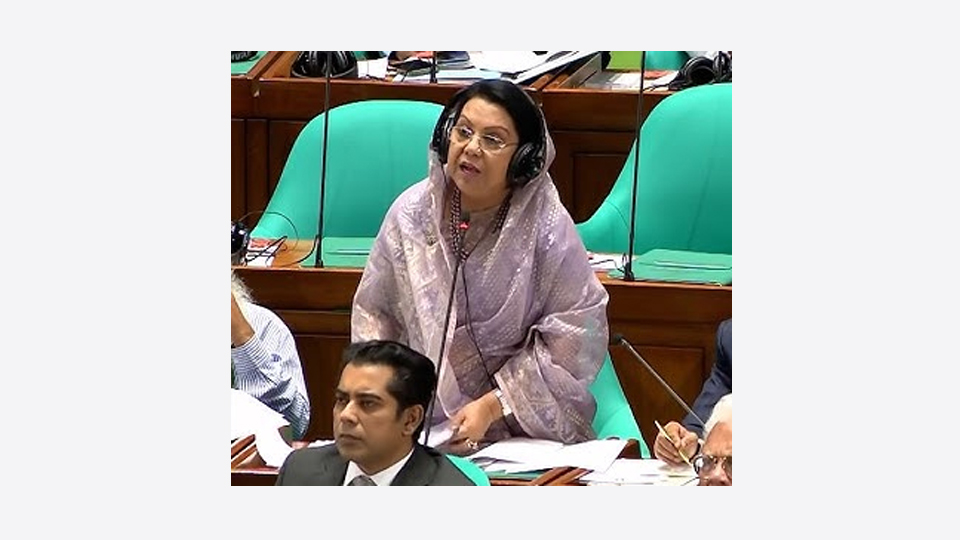
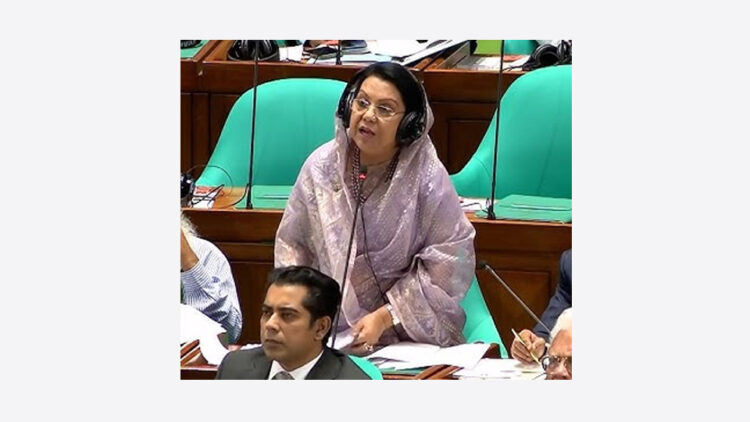
The article discusses the launch of a comprehensive 15-year tourism masterplan by the government of Bangladesh, aimed at transforming the tourism sector into a key driver of economic growth. This initiative, announced by Civil Aviation and Tourism Minister Afroz Khanam Rita during a parliamentary session on April 29, is designed to attract private investment and expand the sector over the next 15 years. The plan, which spans from 2026 to 2040, is expected to provide a detailed roadmap for the industry, focusing on enhancing infrastructure, promoting tourism, and fostering economic development. The article also touches on the broader context of travel trends and insights, highlighting the importance of innovation and investment in the travel sector.
Key Points:
- The government of Bangladesh has introduced a 15-year tourism masterplan (2026-2040) to boost the tourism sector as a major economic driver.
- The masterplan aims to attract private investment and expand the tourism industry through detailed strategies and roadmaps.
- The initiative was discussed during a parliamentary session on April 29, with Minister Afroz Khanam Rita outlining the plan’s objectives and potential impact.
- The article references the broader context of travel trends and insights, emphasizing the role of innovation and investment in shaping the future of the travel industry.
Actionable Takeaways:
-
Investment in Tourism Infrastructure: The masterplan’s focus on attracting private investment suggests a strategic push towards enhancing tourism infrastructure. This could lead to improved facilities, better accessibility, and a more robust tourism ecosystem, ultimately benefiting both the government and private sector stakeholders.
-
Focus on Economic Growth: By positioning tourism as a key driver of economic growth, the government is likely to prioritize policies that support the sector’s expansion. This could include tax incentives for tourism-related businesses, streamlined regulatory processes, and initiatives to promote domestic and international tourism, thereby stimulating overall economic development.
-
Emphasis on Innovation and Technology: The article’s mention of the masterplan’s role in fostering innovation aligns with current travel industry trends. Embracing technology, such as digital platforms for booking, virtual tours, and sustainable travel solutions, could be pivotal in attracting both investors and tourists, ensuring the sector remains competitive in a rapidly evolving market.
Contextual Insights:
The introduction of a 15-year tourism masterplan by Bangladesh’s government reflects a strategic shift towards viewing tourism as a cornerstone of economic development. This initiative is particularly relevant in the current context of global travel recovery post-pandemic, where sectors reliant on tourism are seeking robust strategies to regain momentum. The emphasis on private investment and infrastructure development aligns with broader industry trends, where technology and innovation play crucial roles in enhancing the travel experience and operational efficiency. Furthermore, the focus on economic growth underscores the interconnectedness of tourism with broader economic objectives, suggesting a holistic approach to sector development. As the travel industry continues to adapt to changing consumer preferences and technological advancements, such strategic planning will be essential in navigating future challenges and opportunities.
Read the Complete Article.


