












Article Summary:
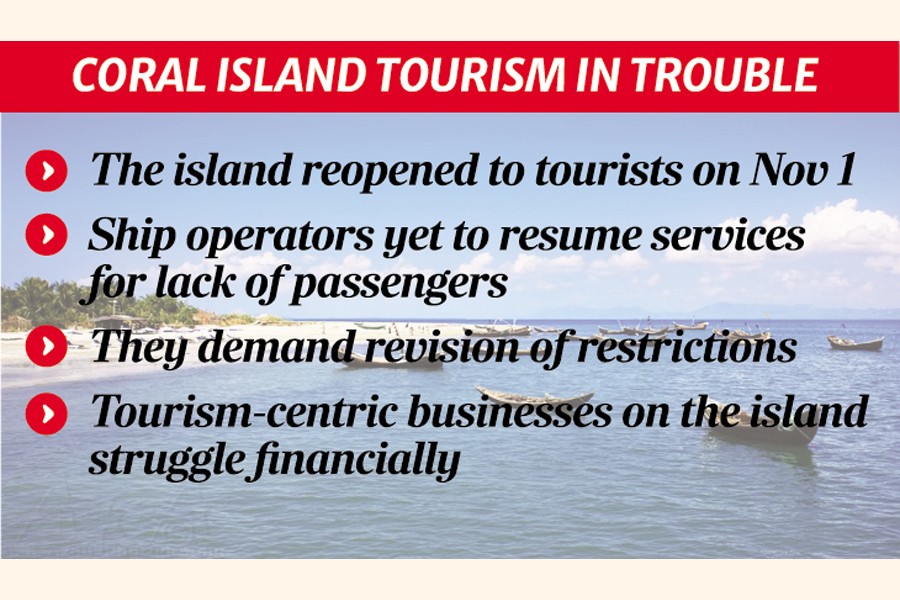
The article discusses the impact of government-imposed restrictions on tourism development in Saint Martin’s Island. These restrictions, initially introduced for environmental protection, have significantly limited access for both local and international tourists. Consequently, businesses reliant on tourism, such as hotels, restaurants, and tour operators, are experiencing financial strain due to reduced visitor numbers.
Key Points:
- Government restrictions aimed at environmental protection have hindered tourism development on Saint Martin’s Island.
- These restrictions have limited access for both local and international tourists, disrupting the flow of visitors.
- Businesses dependent on tourism, including hotels, restaurants, and tour operators, are facing financial pressure due to decreased tourist activity.
Actionable Takeaways:
-
Diversify Revenue Streams: Businesses operating on Saint Martin’s Island should explore diversifying their revenue streams beyond traditional tourism. This could include offering eco-tourism packages, partnering with local artisans for unique experiences, or developing niche tourism products that cater to environmentally conscious travelers.
- Relevance and Impact: With tourism facing restrictions, diversification can help mitigate financial risks and ensure sustained revenue even during periods of low tourist activity. This strategy aligns with the growing trend of sustainable and niche tourism, which is increasingly popular among environmentally conscious travelers.
-
Invest in Digital Marketing: To attract both local and international tourists, businesses should invest in digital marketing strategies. This includes optimizing online presence, leveraging social media platforms, and utilizing targeted online advertising to reach potential customers.
- Relevance and Impact: In the current digital age, a strong online presence is crucial for attracting tourists. By effectively marketing their offerings online, businesses can reach a wider audience and potentially increase tourist numbers despite travel restrictions. This approach is particularly relevant given the rise of online travel planning and booking platforms.
-
Collaborate with Local Authorities: Engaging with local government authorities to advocate for more balanced tourism policies could benefit businesses in the long run. Collaborative efforts could lead to the development of sustainable tourism practices that balance environmental protection with economic growth.
- Relevance and Impact: By working closely with local authorities, businesses can influence policies that support sustainable tourism development. This collaboration can lead to more favorable conditions for tourism businesses, ensuring long-term viability and growth in the face of regulatory challenges.
Contextual Insights:
The article highlights the challenges faced by the tourism industry in Saint Martin’s Island due to government-imposed restrictions. These restrictions, initially intended to protect the environment, have inadvertently impacted the economic well-being of local businesses. In the broader context of the travel industry, such restrictions underscore the delicate balance between environmental conservation and economic development. The current trend towards sustainable and responsible tourism is evident, with more travelers seeking eco-friendly and culturally immersive experiences. Thought leaders in the travel sector emphasize the importance of adapting to such regulatory challenges by embracing innovation and sustainability. For startups and established businesses alike, this means prioritizing eco-friendly practices, leveraging digital tools for marketing, and fostering partnerships with local stakeholders to create a resilient tourism ecosystem. The insights from this article align with the broader industry trend of integrating technology and sustainability to meet the evolving expectations of modern travelers.
Read the Complete Article.


