











Comprehensive Summarization:
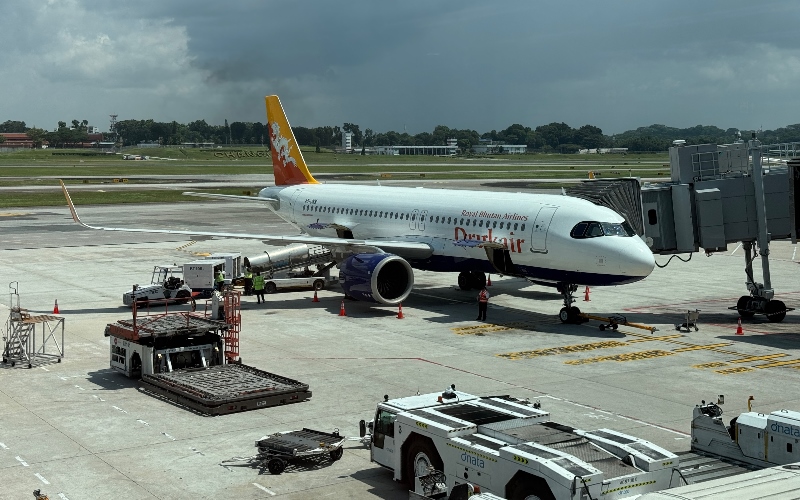
Bhutan’s national airline, Drukair, has expanded its flight services between Singapore and Paro, the capital of Bhutan, to enhance connectivity between Southeast Asia and the Himalayan kingdom. This strategic move aims to accommodate the growing demand for international travel to Bhutan, reflecting a steady recovery in the sector. Singapore remains a pivotal aviation hub, serving as a major transit point for travelers from Australia, Indonesia, and across Southeast Asia. The article highlights the significance of this expansion in bolstering travel links and underscores the role of key aviation hubs in facilitating international travel.
Key Points:
- Drukair has increased its flights between Singapore and Paro, Bhutan, to meet the rising demand for travel to Bhutan.
- The expansion reflects a recovery in international travel to Bhutan, positioning Singapore as a key transit hub for travelers from Southeast Asia and beyond.
- The move underscores the importance of Singapore Changi Airport as a major transit point for travelers from Australia, Indonesia, and across Southeast Asia.
Actionable Takeaways:
-
Enhanced Connectivity Boosts Travel Demand: The increased flight services between Singapore and Paro are likely to stimulate travel demand to Bhutan, benefiting both airlines and local tourism. This development highlights the importance of strategic airline expansions in driving international tourism growth.
-
Singapore as a Strategic Transit Hub: Singapore Changi Airport’s role as a major transit point for travelers from Southeast Asia and beyond underscores its strategic importance in the global travel network. Airlines and airports can leverage this hub to optimize routes and enhance connectivity, potentially driving further growth in international travel.
Contextual Insights:
The expansion of Drukair’s flights between Singapore and Paro is a strategic response to the growing demand for travel to Bhutan, reflecting a broader trend of recovery in international tourism. This development is particularly relevant in the context of the travel industry’s ongoing efforts to rebuild post-pandemic travel flows. The focus on enhancing connectivity between Southeast Asia and the Himalayan kingdom aligns with current industry trends emphasizing the importance of strategic partnerships and expanded routes to drive tourism growth. Furthermore, the role of Singapore as a key transit hub highlights the interconnectedness of global travel networks and the critical role of major airports in facilitating international travel. As the travel industry continues to evolve, such strategic expansions and the importance of key transit hubs will likely remain central to driving growth and recovery in international tourism.
Read the Complete Article.






