












Article Summary:
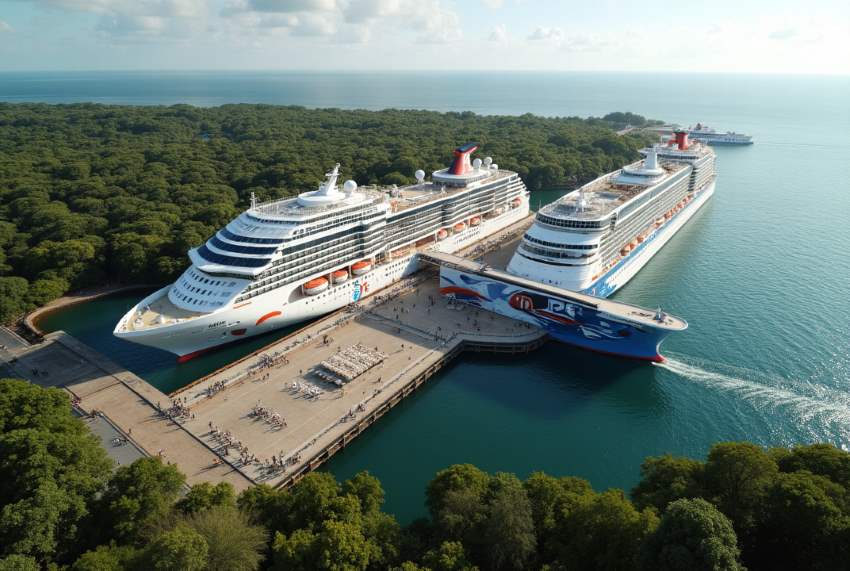
Belém, Brazil, has inaugurated a $45 million cruise port in Outeiro, strategically positioned to open just before the UNFCCC COP 30 conference. This new terminal, built on the site of an old cargo dock, is designed to accommodate the world’s largest cruise vessels, capable of carrying up to 5,000 passengers. The port’s development aims to enhance the region’s capacity to handle cruise tourists, coinciding with the international event scheduled from November 10 to 21, 2025. This initiative underscores Brazil’s growing role in the global cruise tourism sector and its commitment to leveraging infrastructure development to capitalize on the rising interest in sustainable travel.
Key Points:
- Infrastructure Development: The $45 million Outeiro Cruise Terminal in Belém, Brazil, is a significant infrastructure project aimed at modernizing the region’s cruise tourism capabilities.
- Capacity for Large Vessels: The terminal is equipped to handle the world’s largest cruise vessels, which can accommodate up to 5,000 passengers, reflecting Brazil’s ambition to become a major player in the cruise industry.
- Timing with COP 30: The opening of the terminal is strategically timed to coincide with the UNFCCC COP 30 conference, which is set to take place from November 10 to 21, 2025, potentially attracting a large number of international tourists and industry stakeholders.
- Economic Impact: The development of the cruise port is expected to boost local economies by attracting cruise tourists and creating employment opportunities in the hospitality and tourism sectors.
- Alignment with Travel Trends: The project aligns with the broader travel industry trend of focusing on sustainable and large-scale tourism, catering to the growing demand for high-capacity cruise experiences.
Actionable Takeaways:
-
Investment in Cruise Infrastructure: The opening of the Outeiro Cruise Terminal highlights the importance of strategic investments in cruise infrastructure to meet the growing demand for large-scale cruise tourism. For travel companies and investors, this underscores the potential for high returns in developing cruise-friendly ports and facilities.
-
Leveraging Major Events for Tourism Boost: Aligning new infrastructure projects with major global events, such as COP 30, can significantly enhance tourism appeal and attract international visitors. Travel companies should consider timing their expansions or marketing campaigns to coincide with such events to maximize impact.
- Focus on Sustainability: As the cruise industry increasingly emphasizes sustainability, the development of modern, large-capacity cruise terminals like the one in Belém reflects a broader industry trend towards eco-friendly practices. Companies in the travel sector should prioritize sustainable technologies and practices to remain competitive and appeal to environmentally conscious travelers.
Contextual Insights:
The inauguration of the Outeiro Cruise Terminal in Belém is a clear indicator of Brazil’s strategic positioning within the global cruise tourism market. As the world increasingly shifts towards sustainable travel solutions, the terminal’s modern design and capacity to handle large vessels align with the industry’s move towards eco-friendly and high-capacity cruise experiences. This development not only positions Belém as a gateway to Brazil’s rising tourism but also sets a precedent for other regions looking to enhance their cruise tourism offerings. Furthermore, the timing of the terminal’s opening with the COP 30 conference suggests a deliberate effort to leverage global attention on climate change and sustainability to attract environmentally conscious tourists. This contextual analysis aligns with current industry trends, emphasizing the importance of innovation, sustainability, and strategic timing in the travel sector.
Read the Complete Article.



