





Sail Through Time: Discover the Timeless Wonders of Upper Egypt Aboard Kenzy Dahabeya
Experience the magic of the Nile aboard Kenzy Dahabeya, a luxury boutique sailing cruise that offers an unforgettable journey between...
Read moreDetails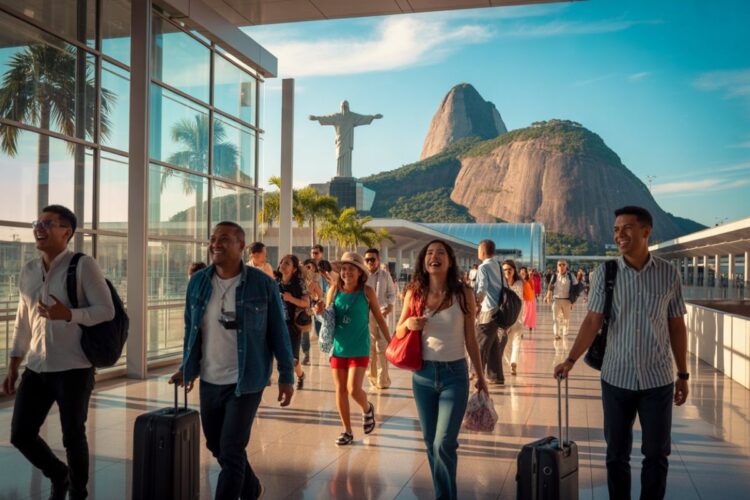
Brazil Expands Thirty-Day Visa Free Access for China, Europe, and Caribbean Nationals to Drive Touri...
Comprehensive Summarization:
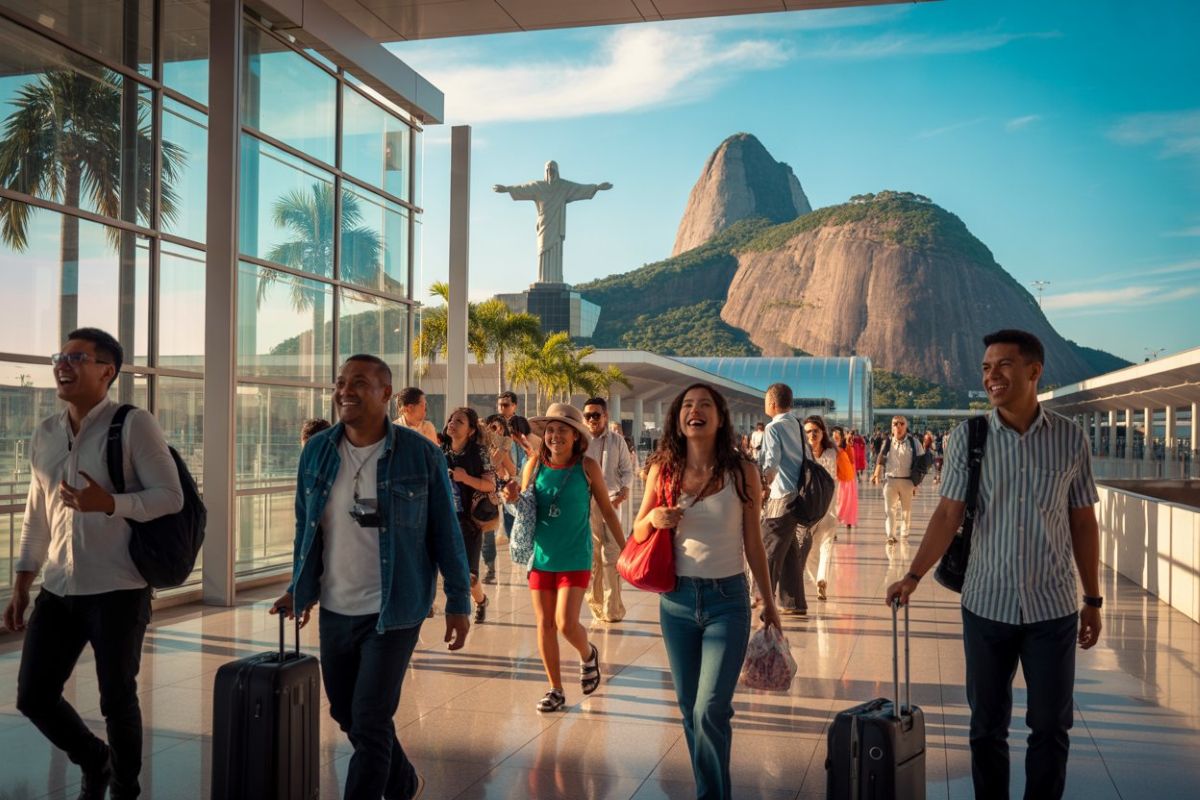
The Brazilian government has introduced a new visa-free regime for short-term visitors from eight countries, including China, Denmark, France, Hungary, Ireland, Jamaica, Saint Lucia, and the Bahamas. This policy change allows nationals from these countries to stay in Brazil for up to thirty days without the need for a visa. The initiative is part of Brazil’s strategy to boost tourism and business travel in 2026. The decision was confirmed by the Brazilian Ministry of Foreign Affairs, signaling a significant adjustment in the country’s border and travel policies aimed at enhancing international travel and trade relations.
Key Points:
Actionable Takeaways:
Enhanced Tourism Opportunities: The visa-free regime is expected to significantly boost tourism in Brazil by making it more accessible for travelers from the listed countries. This could lead to increased visitor numbers, higher hotel occupancy rates, and greater revenue for the tourism sector. Travel agencies and hospitality businesses should prepare for a surge in demand by optimizing their marketing strategies and enhancing customer service to cater to the influx of visitors.
Strengthened Business Travel Relations: The policy change is likely to foster stronger business ties between Brazil and the eight countries involved. Easier access for business travelers can facilitate more frequent meetings, conferences, and trade shows, potentially leading to increased investment and economic growth. Companies operating in these sectors should leverage this opportunity by tailoring their offerings to attract more business travelers, such as offering specialized business travel packages or improving business-friendly services at airports and hotels.
Contextual Insights:
The introduction of this visa-free regime aligns with broader global trends towards easing travel restrictions to stimulate economic recovery and tourism post-pandemic. Brazil’s move is particularly noteworthy as it targets key markets with strong cultural and economic ties, such as China and Europe, which have shown a renewed interest in travel. This policy reflects a strategic shift by Brazil to leverage its tourism potential and enhance its position as a global travel destination. For the travel industry, this development underscores the importance of staying agile and responsive to policy changes that can impact market access and consumer behavior. Additionally, the emphasis on business travel highlights the growing importance of business-friendly travel services, suggesting that companies in this sector should invest in technologies and services that cater to the needs of business travelers, such as streamlined visa processes, business concierge services, and secure digital payment solutions.
Read the Complete Article.
Experience the magic of the Nile aboard Kenzy Dahabeya, a luxury boutique sailing cruise that offers an unforgettable journey between...
Read moreDetails



