












Article Summary:
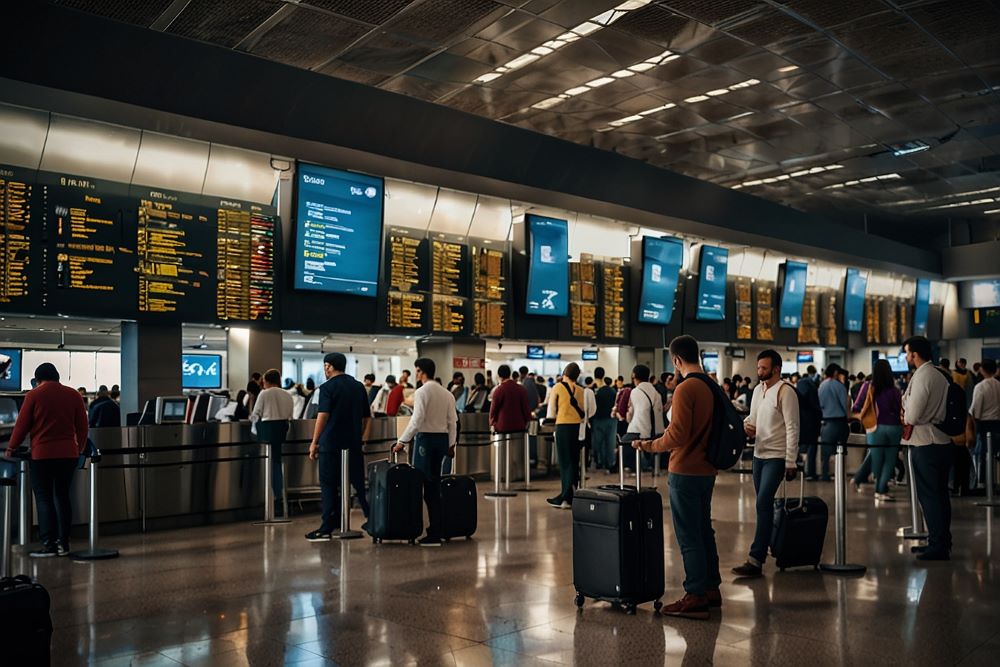
Brazil travel has been significantly disrupted as United Airlines and American Airlines cancel multiple flights to São Paulo-Guarulhos, causing challenges for both tourists and business travelers. This disruption is further compounded by a Dallas airport outage, leading to stranded passengers at key U.S. hubs. Travelers are experiencing longer waiting times, rebookings, and logistical uncertainties. Airlines are actively working to reschedule flights and assist affected passengers, but the ripple effect is felt across the travel industry.
Key Points:
- United Airlines and American Airlines have canceled multiple flights to São Paulo-Guarulhos, impacting travel to Brazil.
- The Dallas airport outage has exacerbated the situation, causing stranded passengers at major U.S. hubs.
- Travelers are facing logistical challenges, including longer waiting times and rebooking issues.
- Airlines are actively working to reschedule flights and assist affected passengers.
Actionable Takeaways:
-
Rescheduling and Passenger Support: Airlines are actively working to reschedule flights and assist affected passengers. Travel companies should monitor airline updates and provide real-time support to travelers to minimize disruption. This proactive approach can enhance customer satisfaction and loyalty during turbulent times.
- Focus on Dallas Airport Operations: Given the Dallas airport outage’s role in the disruption, travel companies should closely monitor and potentially adjust their operations around major U.S. hubs. Implementing contingency plans for similar disruptions can help mitigate the impact on travel schedules and passenger experience.
Contextual Insights:
The disruption in Brazil travel highlights the interconnected nature of global travel networks and the vulnerability of travel systems to regional disruptions. The recent Dallas airport outage serves as a reminder of the importance of robust contingency planning in the travel industry. As travel companies navigate such challenges, there is an increasing emphasis on leveraging technology for real-time communication and support. This situation underscores the need for travel startups and fintech innovations to enhance operational resilience and improve passenger experience during unforeseen disruptions. The article also reflects broader trends in the travel industry, such as the growing importance of agile operational strategies and the role of technology in managing travel disruptions.
Read the Complete Article.



