






Sail Through Time: Discover the Timeless Wonders of Upper Egypt Aboard Kenzy Dahabeya
Experience the magic of the Nile aboard Kenzy Dahabeya, a luxury boutique sailing cruise that offers an unforgettable journey between...
Read moreDetails
France Joins China, Denmark, Ireland, Bahamas and Others in Brazil’s Historic Visa-Free Policy Trans...
Comprehensive Summarization:
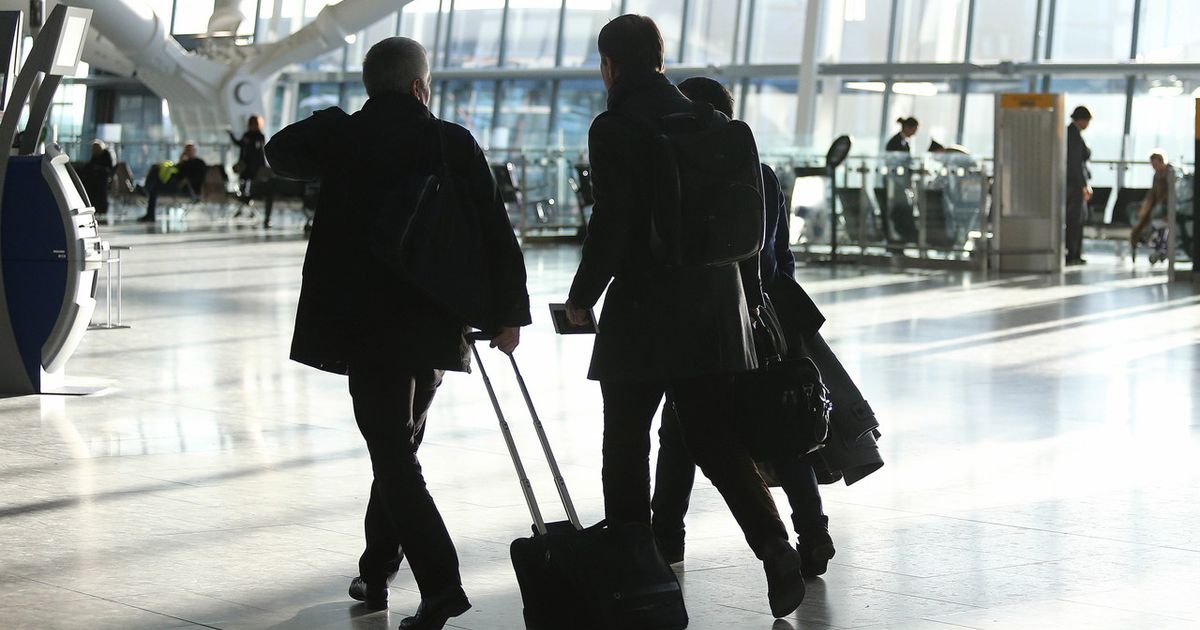
The article reports that France has joined a growing list of nations, including China, Denmark, Ireland, the Bahamas, and others, in adopting Brazil’s new visa-free policy. Effective from February 24, 2026, this policy allows citizens of these countries to visit Brazil without a visa for up to 30 days, with the option to extend their stay for an additional 60 days within a year. The primary objective of this shift is to boost tourism, trade, and economic development in Brazil by simplifying travel for high-spending tourists and business delegates. The article also highlights the image of Brazil’s visa-free policy as a significant move in the travel industry, potentially attracting more international visitors and strengthening Brazil’s position in the global tourism market.
Key Points:
Actionable Takeaways:
Enhanced Tourism Opportunities: The visa-free policy for France and other countries is expected to significantly increase tourist arrivals to Brazil. Travel agencies and hospitality businesses in Brazil should prepare for a surge in demand by enhancing their marketing strategies, improving customer service, and ensuring adequate accommodation and transportation services to meet the increased tourist flow.
Economic Growth Potential: By simplifying travel regulations, Brazil aims to attract high-spending tourists and business delegates. This could lead to increased spending on local goods and services, contributing to economic growth. Businesses in sectors such as retail, entertainment, and services should capitalize on this trend by offering competitive pricing and unique experiences to attract more visitors.
Strategic Partnerships and Collaborations: The article suggests that Brazil’s move could lead to strategic partnerships and collaborations between travel agencies, tourism boards, and businesses in participating countries. Companies should explore opportunities for joint marketing campaigns, package deals, and loyalty programs to leverage the increased tourist traffic and maximize revenue.
Contextual Insights:
The introduction of Brazil’s visa-free policy aligns with the broader trend of countries worldwide adopting more relaxed travel regulations to stimulate tourism and economic recovery post-pandemic. This move reflects a strategic shift towards leveraging travel as a catalyst for economic development. As highlighted in recent industry analyses, the travel sector’s resilience and adaptability to regulatory changes are crucial for sustained growth. Thought leaders in the travel industry emphasize the importance of leveraging such policy shifts to enhance market competitiveness and drive innovation. For instance, startups focusing on travel tech solutions, such as streamlined visa application processes and digital nomad platforms, stand to benefit from this policy by offering enhanced services to the growing influx of tourists. Additionally, fintech innovations, such as travel payment solutions and currency exchange services, can cater to the needs of frequent travelers, further enhancing their experience and contributing to the overall economic impact of tourism.
Read the Complete Article.
Experience the magic of the Nile aboard Kenzy Dahabeya, a luxury boutique sailing cruise that offers an unforgettable journey between...
Read moreDetails



