
Brazil sees tourism surge as international air arrivals rise
THE NEWS: Brazil recorded 5,870,000 international visitors between January and July 2026, a 12 % rise in air‑based arrivals and the second‑highest...
Read moreDetailsEvery alert that matters — when it happens.

“When you buy golden grass, you’re not just purchasing a product; you’re preserving a tradition that’s over two centuries old and still standing strong,” explains 28-year-old artisan Railane Ribeiro da Silva. “Golden grass lifted us from extreme poverty, which used to make us fearful of outsiders. If tourists came by, the locals would scatter,” she adds.
Railane is the granddaughter of Grandma Miúda (Guilhermina Ribeiro da Silva, 1928-2010), who learned the art of braiding golden grass from her mother, an indigenous descendant, and passed on the skill to other women. Grandma Miúda played a crucial role in popularizing this craft nationwide and bringing progress to the region.
The World Bank joined this narrative by funding the golden grass supply chain through the Integrated and Sustainable Regional Development Project of Tocantins (PDRIS), carried out over nine years in partnership with the state government. This initiative poured $282 million into seven sectors: transportation, education, agriculture, the environment, tourism, water resources, and public management enhancement.
In tourism alone, $3 million was allocated for various projects. In Mumbuca, the project helped establish a modest museum, the Memorial House of Culture, where visitors can delve into Grandma Miúda’s history, view golden grass cultivation and harvesting photos, and admire crafted items. “We managed to get cabinets, a printer, GPS, a fully equipped office,” Railane rejoices.
The project also enabled sustainable harvesting training, attracting a new wave of artisans. “The training sessions made it easier to develop products from golden grass,” remembers Fatima Amazonas, who co-managed the project for five years. “The women needed a proper place to sell their goods, as the previous setup was quite makeshift. They gained empowerment through sheer determination and joy,” she continues.
Meanwhile, in Prata Community in São Félix do Tocantins, the project funded a plaza that’s now a…
THE NEWS: Brazil recorded 5,870,000 international visitors between January and July 2026, a 12 % rise in air‑based arrivals and the second‑highest...
Read moreDetails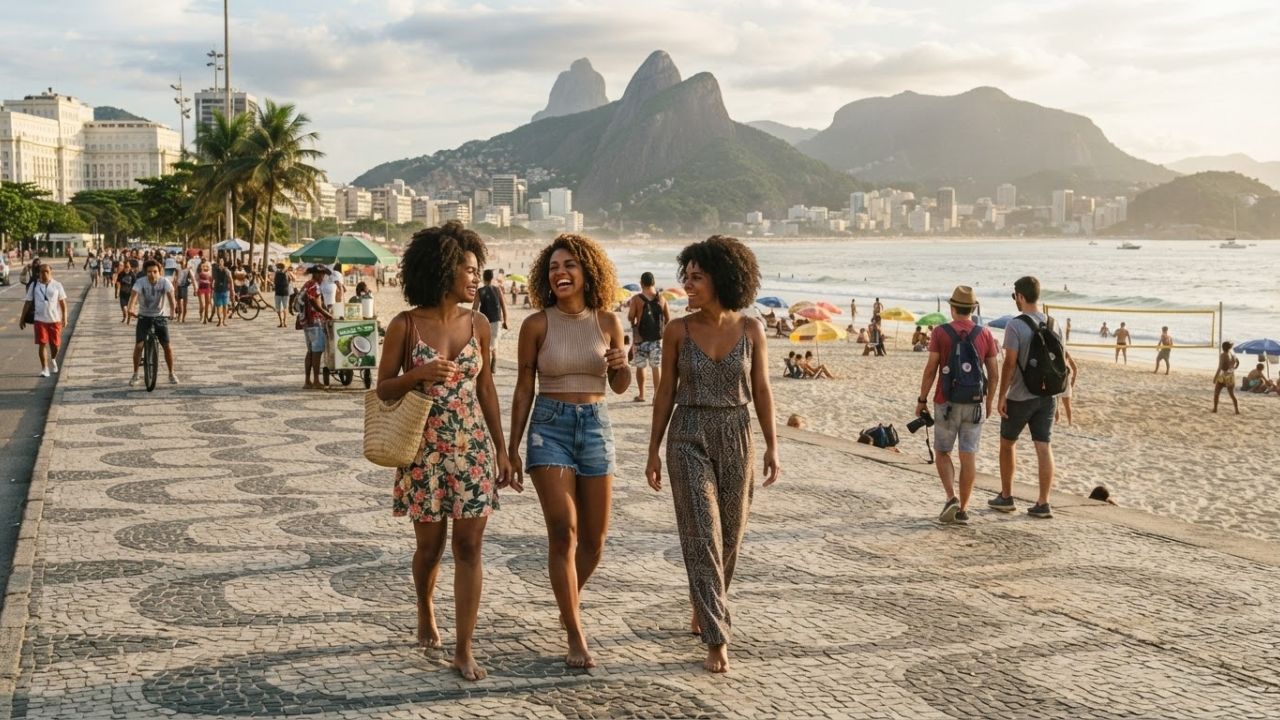
Experience the magic of the Nile aboard Kenzy Dahabeya, a luxury boutique sailing cruise that offers an unforgettable journey between...
Read moreDetails





