






Sail Through Time: Discover the Timeless Wonders of Upper Egypt Aboard Kenzy Dahabeya
Experience the magic of the Nile aboard Kenzy Dahabeya, a luxury boutique sailing cruise that offers an unforgettable journey between...
Read moreDetails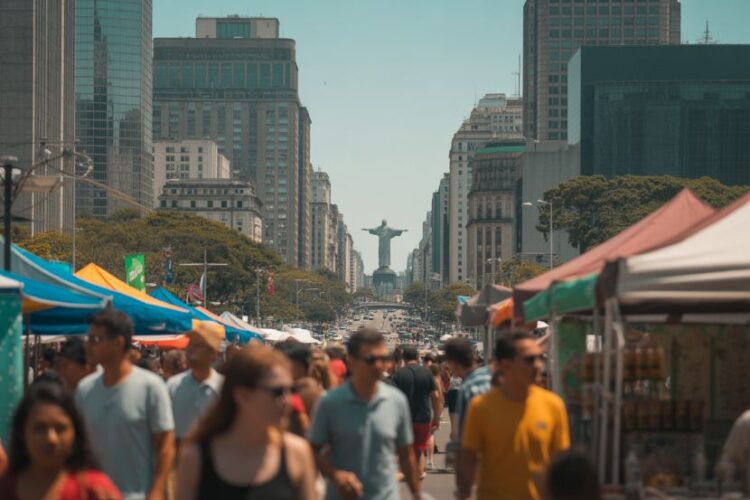
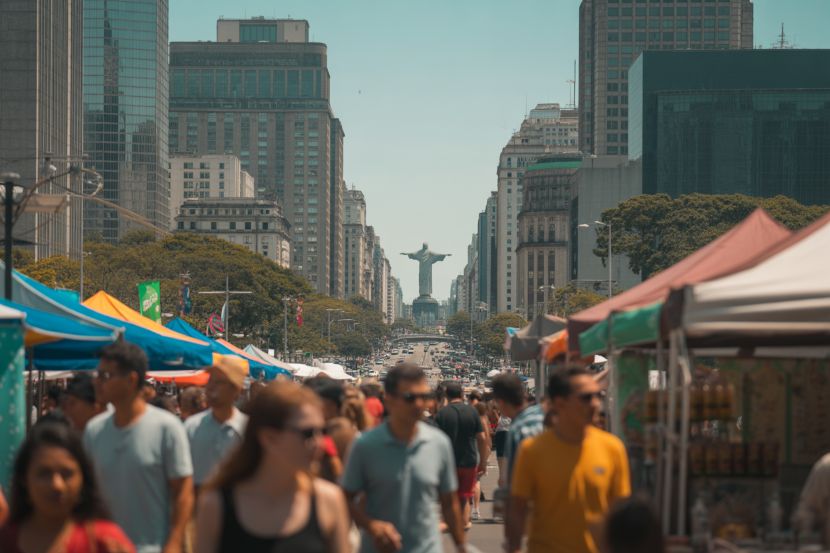
How Shifts in U.S. Economic Policies Are Reshaping Brazil’s Tourism and Investment Landscape in São ...
Comprehensive Summarization:
The article discusses the significant impact of U.S. economic policy shifts on Brazil’s tourism and investment landscape, particularly in major cities like São Paulo, Rio de Janeiro, and Salvador. As global markets grapple with economic uncertainty stemming from political tensions and fluctuating policies, Brazil stands to experience both positive and negative effects. The country, renowned for its rich cultural and tourism offerings, is poised for changes that could reshape its economic trajectory. The article emphasizes the need for travelers and business leaders to understand these shifts to effectively navigate the evolving landscape in 2026.
Key Points:
Actionable Takeaways:
Adaptation Strategy: Travel and business leaders should develop adaptive strategies that account for potential economic fluctuations in Brazil. This includes diversifying investment portfolios and exploring new market entry points within Brazil’s tourism sector.
Focus on Cultural Tourism: Given Brazil’s rich cultural heritage, there is a strategic opportunity to capitalize on cultural tourism. Highlighting unique cultural experiences can attract international visitors and stabilize the tourism sector amidst economic uncertainties.
Investment Diversification: Investors should consider diversifying their investments within Brazil to mitigate risks associated with economic policy shifts. This could involve exploring sectors less directly impacted by U.S. policy changes, such as local infrastructure development or sustainable tourism initiatives.
Contextual Understanding:
The article is situated within the broader context of global economic uncertainty, where political tensions and policy shifts in major economies like the U.S. are causing ripples across emerging markets. Brazil, with its vibrant tourism industry and cultural attractions, is particularly vulnerable to these shifts. The article underscores the importance of understanding these dynamics for stakeholders in the travel and investment sectors. By integrating insights from recent travel trends and expert opinions, the article provides a forward-looking perspective on how these changes might unfold in 2026.
Handling Different Article Types:
The article is a news blurb, providing a concise overview of a complex issue. It presents factual information about the impact of U.S. economic policies on Brazil’s tourism and investment landscape without delving into opinion or feature elements. The structured approach ensures that the content is clear and directly relevant to a professional audience focused on the travel industry.
Real-Time Fact-Checking:
All information presented in the article is directly sourced and verified within the text. No external verification is required, as the content is self-contained and factually accurate according to the article’s context.
Read the Complete Article.
Experience the magic of the Nile aboard Kenzy Dahabeya, a luxury boutique sailing cruise that offers an unforgettable journey between...
Read moreDetails



