




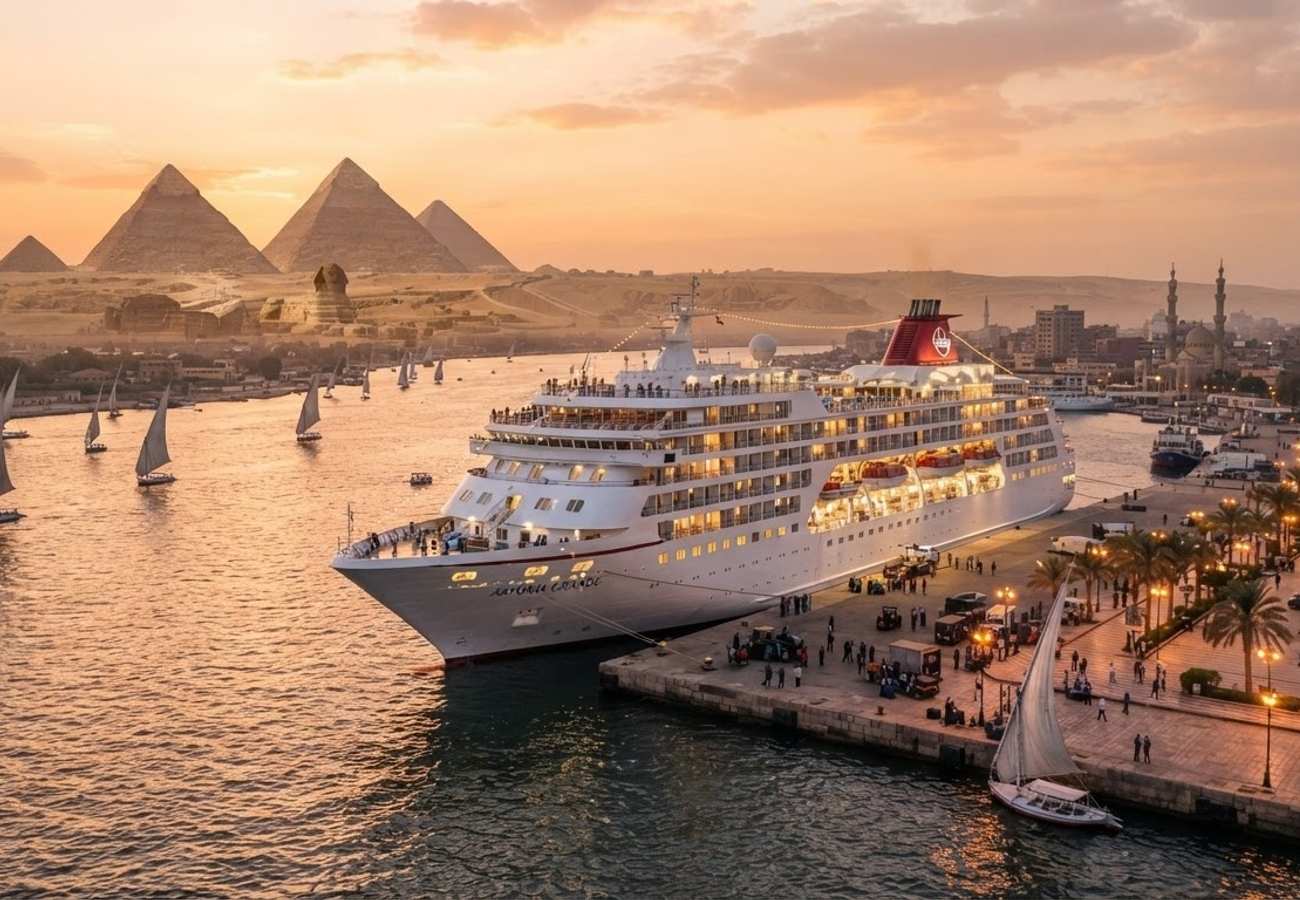



Sail Through Time: Discover the Timeless Wonders of Upper Egypt Aboard Kenzy Dahabeya
Experience the magic of the Nile aboard Kenzy Dahabeya, a luxury boutique sailing cruise that offers an unforgettable journey between...
Read moreDetails
A photo collection sample1s
Bali, the renowned "Island of the Gods," is experiencing a significant surge in tourism, signaling a robust recovery from the pandemic’s devastating impact. Recent reports highlight a strong influx of international visitors, with projections indicating a full return to pre-pandemic levels within the next year. This resurgence is a welcome development for Bali’s economy, heavily reliant on its vibrant tourism sector.
The island has seen a notable increase in arrivals from key markets, with Australia, India, and Singapore leading the charge. This diverse visitor base underscores Bali’s enduring appeal as a global travel destination. While traditional European and American markets are also showing signs of recovery, their return is anticipated to be more gradual. The Indonesian government has been actively promoting Bali’s reopening, implementing streamlined visa policies and focusing on attracting higher-spending tourists.
Accommodation providers are reporting higher occupancy rates, with luxury resorts and boutique hotels experiencing particularly strong demand. This trend suggests a shift towards quality over quantity, with travelers seeking more authentic and immersive experiences. Culinary tourism, wellness retreats, and cultural excursions are gaining traction, reflecting a growing interest in the deeper aspects of Balinese life.
To sustain this positive momentum, Bali is focusing on diversifying its tourism offerings beyond the traditional beach and resort experiences. Investments in infrastructure, such as improved transportation networks and digital connectivity, are crucial for enhancing the overall visitor experience. Furthermore, there’s a concerted effort to promote sustainable tourism practices, aiming to protect Bali’s natural beauty and cultural heritage for future generations. This includes initiatives to reduce plastic waste, support local communities, and preserve the island’s delicate ecosystem.
The current recovery is not without its challenges. Global economic uncertainties and fluctuating travel costs can still impact visitor numbers. However, the underlying demand for travel to Bali remains strong, fueled by its unique cultural identity, stunning landscapes, and the promise of relaxation and rejuvenation. The island’s resilience and adaptability, demonstrated throughout the pandemic, position it well for continued growth and success in the evolving global travel landscape.
The tourism industry in Bali is optimistic about the coming months, with continuous efforts to enhance visitor satisfaction and explore new market segments. The focus remains on creating a safe, welcoming, and memorable experience for every traveler, ensuring Bali’s status as a premier destination for years to come.
Key Points
Read the Complete Article.
Experience the magic of the Nile aboard Kenzy Dahabeya, a luxury boutique sailing cruise that offers an unforgettable journey between...
Read moreDetails



