












Sail Through Time: Discover the Timeless Wonders of Upper Egypt Aboard Kenzy Dahabeya
Experience the magic of the Nile aboard Kenzy Dahabeya, a luxury boutique sailing cruise that offers an unforgettable journey between...
Read moreDetails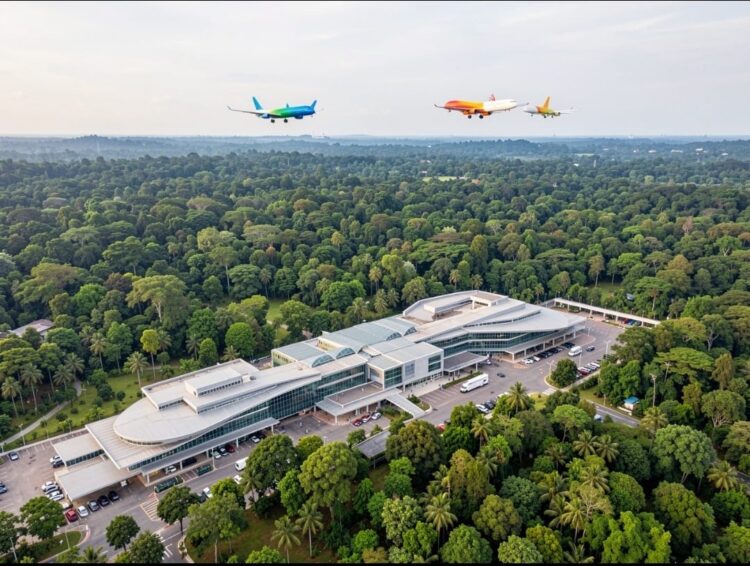
Emirates joins Singapore Airlines, Thai Airways, Qatar Airways, Air China, and Japan Airlines in Lau...
Comprehensive Summarization:
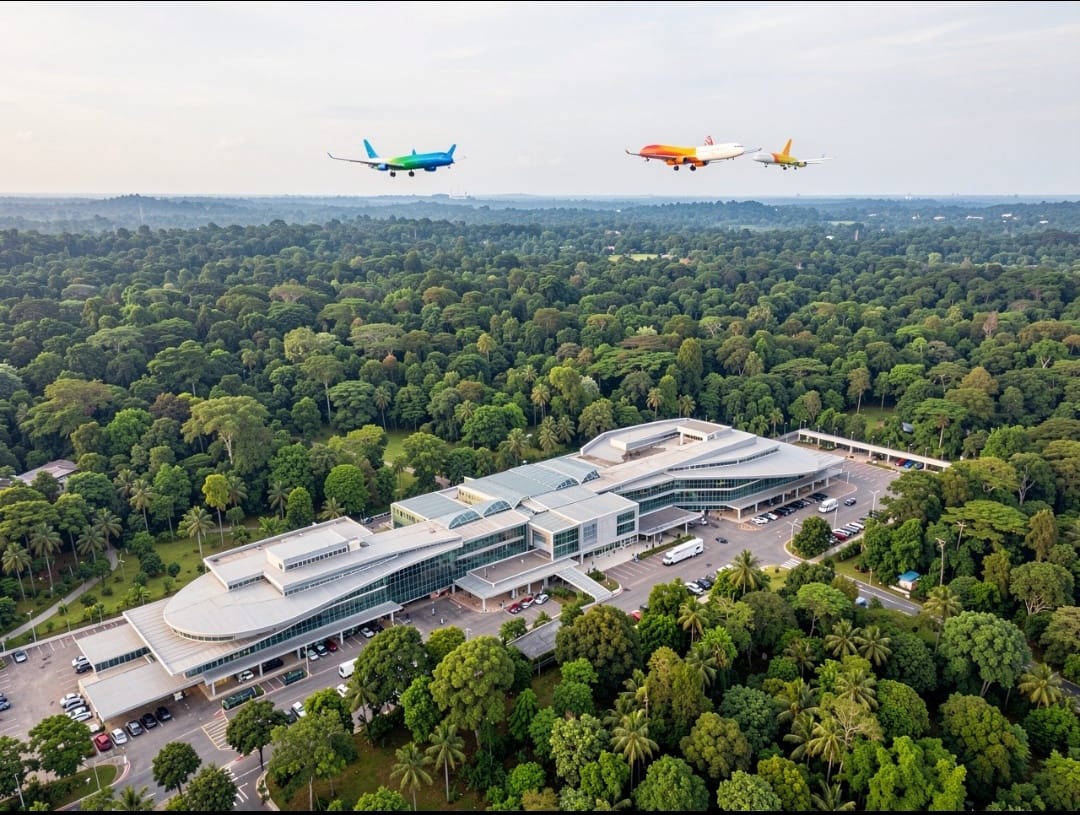
Emirates, Singapore Airlines, Thai Airways, Air China, and Japan Airlines have collectively launched direct flights to Cambodia’s newly established Ratanakiri International Airport. This strategic move is set to significantly enhance Southeast Asia’s travel landscape, offering international tourists seamless access to the largely undiscovered Lumphat District of Ratanakiri. The airport’s state-of-the-art facilities promise to transform the region into a global tourism hotspot, marking a pivotal development in the travel industry.
Key Points:
Actionable Takeaways:
Contextual Insights:
The launch of direct flights to Ratanakiri International Airport is a strategic move that aligns with broader trends in the travel industry towards expanding global connectivity and promoting lesser-known destinations. This development reflects a growing interest among international airlines to tap into emerging markets, driven by the increasing demand for unique travel experiences. As highlighted by industry thought leaders, such initiatives not only enhance tourism but also stimulate economic growth in host regions. Furthermore, the integration of advanced airport facilities and seamless travel experiences underscores the industry’s shift towards leveraging technology to improve operational efficiency and customer satisfaction. This move is likely to set a precedent for other regions, encouraging further exploration and development of underexplored travel destinations.
Read the Complete Article.
Experience the magic of the Nile aboard Kenzy Dahabeya, a luxury boutique sailing cruise that offers an unforgettable journey between...
Read moreDetails



