






Comprehensive Summarization:
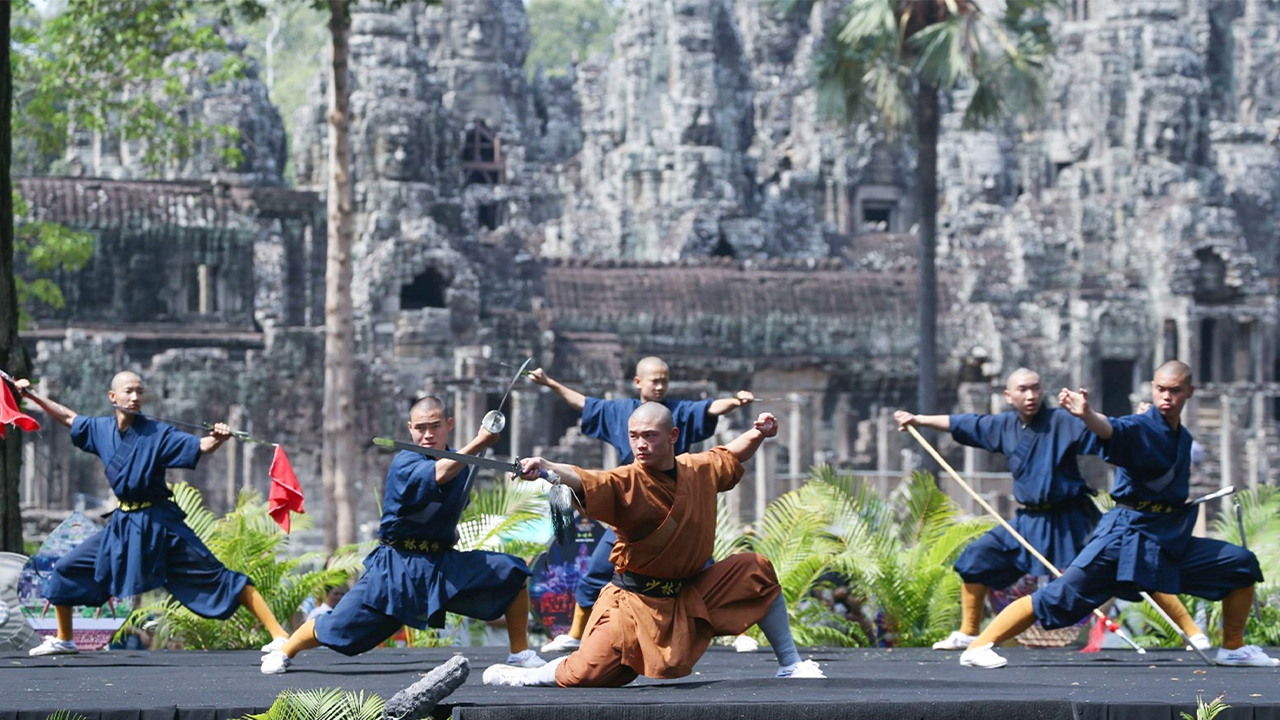
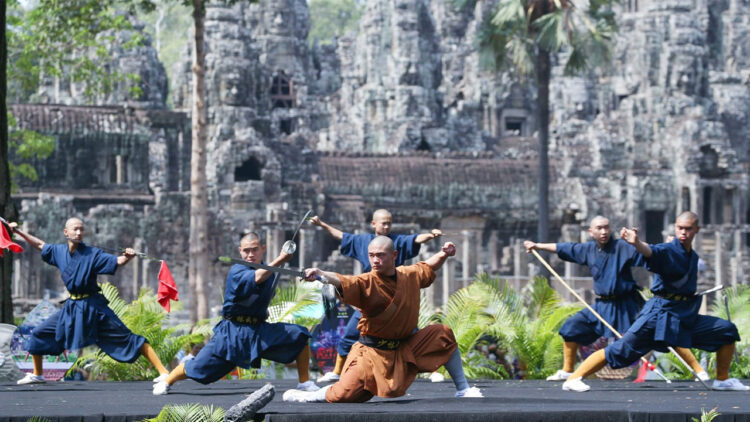
The article discusses Minister of Tourism Huot Hak’s emphasis on the importance of Chinese tourists and investors in Cambodia’s tourism industry. This emphasis comes as Cambodia continues to roll out campaigns to attract more international visitors. The remarks were made during the “Cambodia-China Martial Arts Performance” held at Bayon Temple in Siem Reap on April 30. The event showcased traditional Khmer martial arts alongside Chinese disciplines like Shaolin Kung Fu and Tai Chi. The minister highlighted a steady rise in Chinese arrivals, noting that in 2025, Cambodia welcomed a significant number of Chinese tourists and investors, which is crucial for the future growth of the tourism sector.
Key Points:
- Minister Huot Hak stressed the importance of Chinese tourists and investors in Cambodia’s tourism industry.
- The “Cambodia-China Martial Arts Performance” was held at Bayon Temple in Siem Reap on April 30.
- The event featured a joint showcase of traditional Khmer martial arts alongside Chinese disciplines such as Shaolin Kung Fu and Tai Chi.
- There is a steady rise in Chinese arrivals, with Cambodia welcoming a significant number of Chinese tourists and investors in 2025.
Actionable Takeaways:
-
Enhance Marketing Campaigns Targeting Chinese Tourists: Given the steady rise in Chinese arrivals, Cambodia should enhance its marketing campaigns specifically targeting Chinese tourists. This could include leveraging Chinese-language promotional materials, partnering with Chinese travel agencies, and offering packages that cater to Chinese preferences and travel habits. This strategy is directly relevant as it aligns with the article’s emphasis on the growing importance of Chinese tourists and investors in the Cambodian tourism sector.
-
Leverage Cultural Exchange Events to Boost Tourism: The success of the “Cambodia-China Martial Arts Performance” suggests that cultural exchange events can be a powerful tool for attracting international visitors. Cambodia should consider organizing more such events that highlight its rich cultural heritage, including traditional martial arts, music, dance, and cuisine. These events can serve as magnets for tourists, fostering a deeper appreciation for Cambodian culture and encouraging more visits. This takeaway is relevant as it directly relates to the article’s context of cultural performances and the importance of international collaboration in tourism.
Contextual Insights:
The article reflects the current trend of international collaboration in tourism, particularly between Cambodia and China. As China becomes an increasingly important market for global tourism, countries like Cambodia are leveraging cultural and martial arts events to attract Chinese tourists. This approach not only highlights the unique cultural offerings of Cambodia but also fosters goodwill and mutual understanding between nations. Looking forward, such initiatives could set a precedent for other countries to adopt similar strategies to attract specific international markets. Additionally, the rise in Chinese arrivals underscores the importance of understanding and catering to the preferences of this growing market segment, which could have broader implications for travel startups and fintech innovations aimed at enhancing the travel experience for Chinese tourists.
Read the Complete Article.






