








Sail Through Time: Discover the Timeless Wonders of Upper Egypt Aboard Kenzy Dahabeya
Experience the magic of the Nile aboard Kenzy Dahabeya, a luxury boutique sailing cruise that offers an unforgettable journey between...
Read moreDetails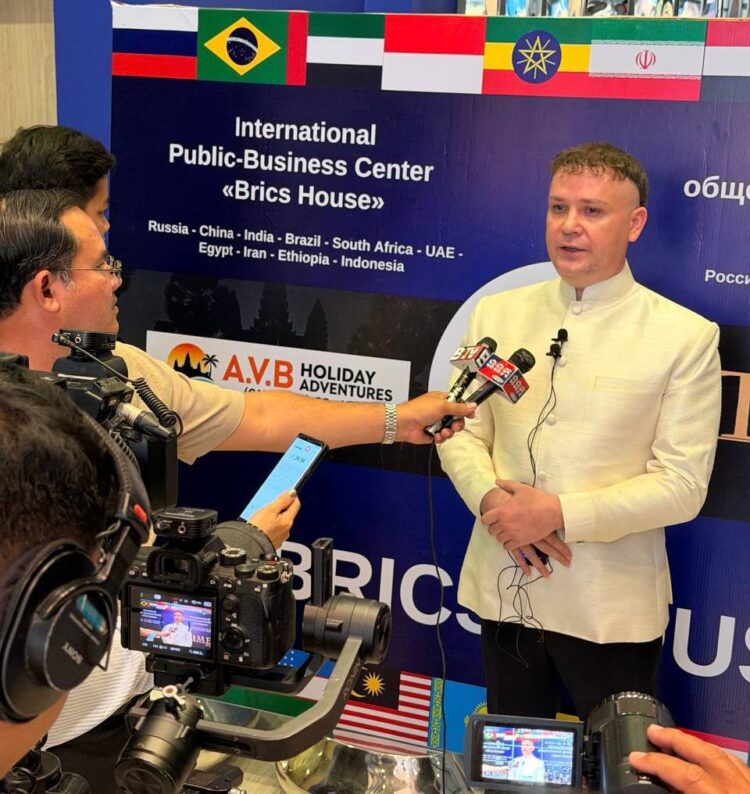
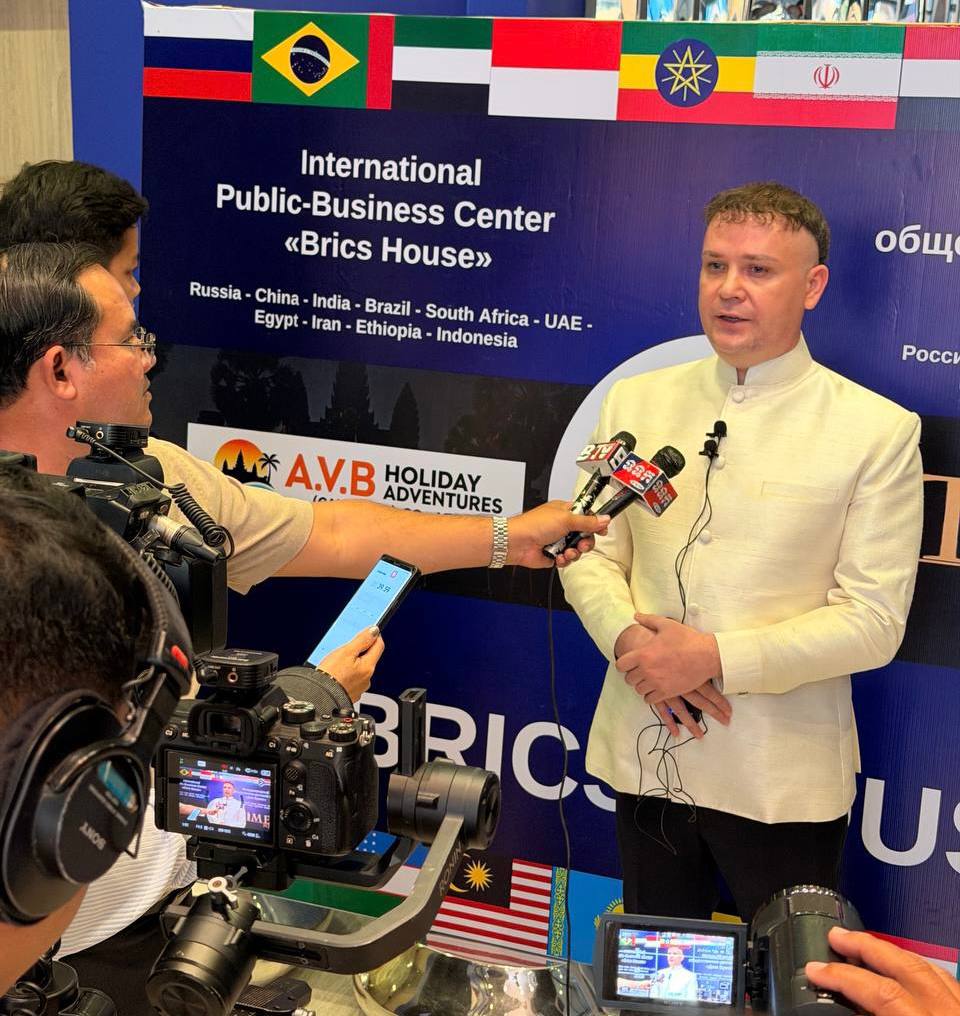
Leader Talks: Vladimir Palanchika on Building Cambodia’s Real Estate and Tourism Businesses with a 5...
Comprehensive Summarization:
The article from Cambodia Investment Review delves into the transformation of Phnom Penh’s condominium market over the past decade, driven by foreign capital inflows, local buyer growth, and shifting economic cycles. Central to this evolution is Vladimir, the founder of the Time Square condominium series, who has also built successful tourism businesses in Cambodia. In a conversation with Cambodia Investment Review, Vladimir discusses his journey into Cambodia, the philosophy behind the Time Square brand, the evolution of buyer confidence, and the broader responsibility he believes business leaders have in shaping the country’s future. The article highlights the significant role of foreign investment and local entrepreneurship in the growth of Cambodia’s real estate market, emphasizing the interplay between tourism development and real estate investment.
Key Points:
Actionable Takeaways:
Investment in Real Estate and Tourism: Businesses should consider diversifying their investments between real estate and tourism sectors to capitalize on the growing market in Phnom Penh. This dual approach can mitigate risks associated with market volatility and leverage synergies between property development and visitor-driven economic growth.
Focus on Local Entrepreneurship: Supporting local entrepreneurs, like Vladimir, who are instrumental in driving market growth, can lead to sustainable economic development. Encouraging local business participation can enhance market resilience and foster a sense of ownership and community investment.
Sustainable Business Practices: Business leaders should prioritize sustainability and social responsibility in their operations. This includes adopting eco-friendly building practices, promoting community engagement, and ensuring long-term benefits for local populations, thereby enhancing the brand’s reputation and market appeal.
Contextual Insights:
The article reflects the current trend of foreign capital inflows into Cambodia’s real estate market, driven by strategic investments in both residential and tourism-related properties. This trend is part of a broader shift towards integrating tourism and real estate development to boost economic growth. The emphasis on Vladimir’s role highlights the importance of visionary leadership in shaping market dynamics. As Cambodia continues to attract international investment, the focus on sustainable and socially responsible business practices will likely become increasingly critical. This aligns with the growing global trend of corporate social responsibility (CSR) and the demand for ethical business practices in the travel and hospitality sectors. The insights from Vladimir underscore the potential for Cambodia to become a leading destination for both leisure and business travel, provided that strategic investments and responsible leadership continue to drive market growth.
Read the Complete Article.
Experience the magic of the Nile aboard Kenzy Dahabeya, a luxury boutique sailing cruise that offers an unforgettable journey between...
Read moreDetails



