




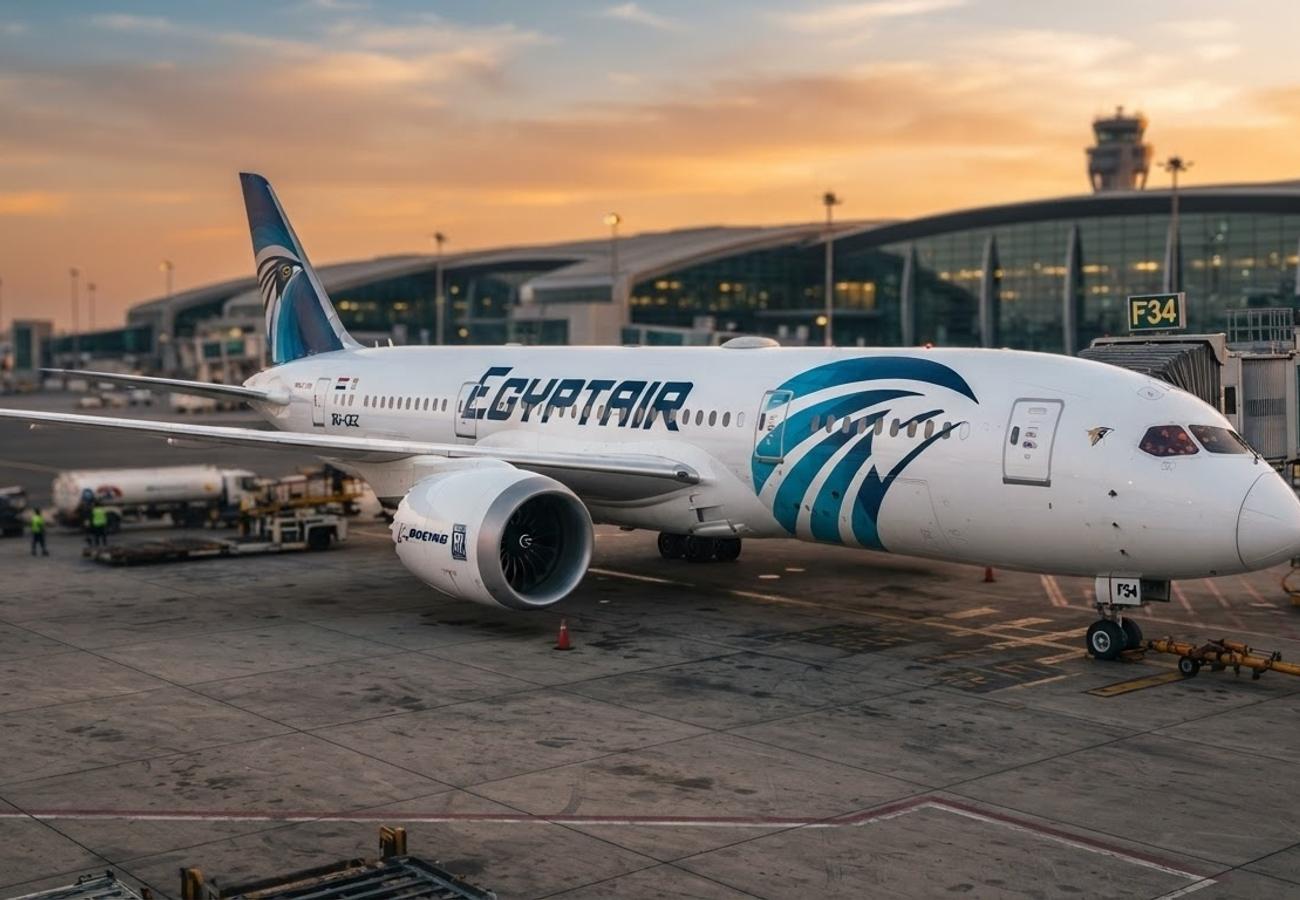




Sail Through Time: Discover the Timeless Wonders of Upper Egypt Aboard Kenzy Dahabeya
Experience the magic of the Nile aboard Kenzy Dahabeya, a luxury boutique sailing cruise that offers an unforgettable journey between...
Read moreDetails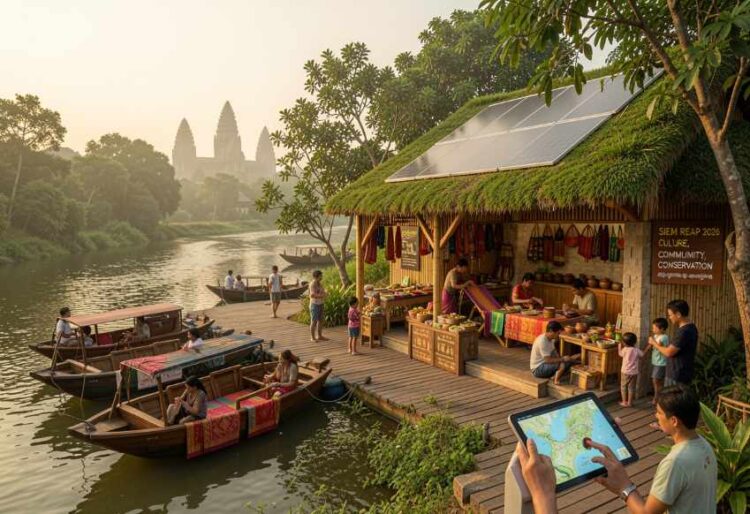
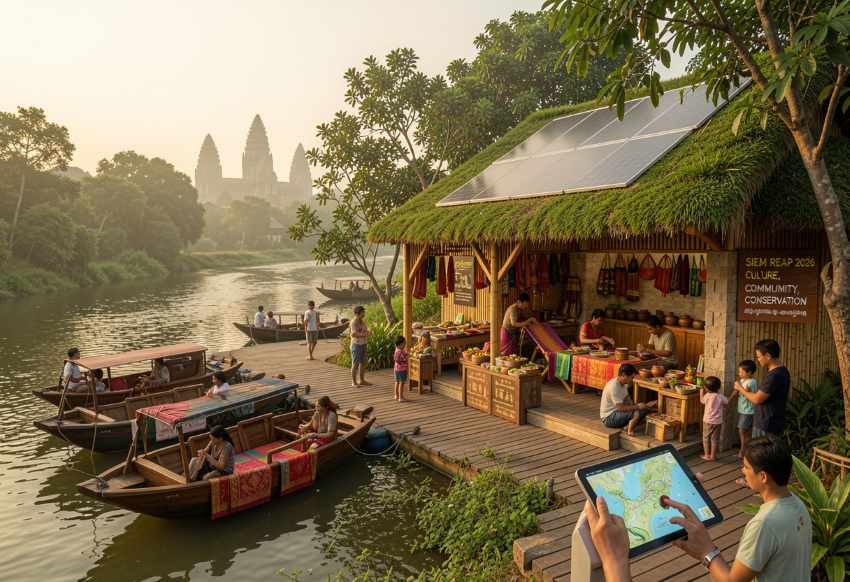
Siem Reap and the Future of Cambodia: A 2026 Vision for Reimagining Tourism Beyond the Angkor Temple...
Comprehensive Summarization:
The article discusses a significant strategic shift in Cambodia’s tourism industry, focusing on Siem Reap and the broader province. For decades, the Angkor Archaeological Park has been the primary attraction for international visitors. However, industry leaders and government officials are now coordinating efforts to diversify tourism offerings beyond the iconic stone monuments. This shift was highlighted during the “Siem Reap 2026 Forum for the Future,” where stakeholders pledged to increase the province’s appeal by expanding the range of tourism experiences. The goal is to ensure that Cambodia’s identity is defined by a broader array of attractions, moving beyond the traditional focus on the Angkor Temples. This strategic vision aligns with broader travel industry trends emphasizing diversification and the need to cater to a wider range of traveler interests.
Key Points:
Actionable Takeaways:
Diversification of Tourism Offerings: Stakeholders have pledged to expand Siem Reap’s appeal by offering a broader range of tourism experiences. This move is crucial for reducing over-reliance on the Angkor Temples and attracting a more diverse set of tourists. By developing new attractions and experiences, the province can cater to a wider audience, thereby increasing its economic benefits from tourism.
Alignment with Global Travel Trends: The push for diversification aligns with current global travel industry trends that emphasize unique and varied experiences. Travelers are increasingly seeking destinations that offer more than just famous landmarks, such as cultural immersion, adventure activities, and sustainable tourism options. This strategic shift positions Cambodia to attract a broader demographic of tourists, enhancing its competitiveness in the global market.
Focus on Sustainable and Responsible Tourism: The article implies a broader vision for Cambodia’s tourism that includes sustainability and responsible practices. As the travel industry increasingly emphasizes eco-friendly and socially responsible tourism, this strategic shift could position Siem Reap as a leader in sustainable tourism practices. This could attract environmentally conscious travelers and contribute to the long-term viability of Cambodia’s tourism sector.
Contextual Insights:
The article’s context is rooted in the ongoing evolution of the travel industry, where diversification and the expansion of tourism offerings are becoming increasingly important. The recent “Siem Reap 2026 Forum for the Future” reflects a proactive approach by industry leaders and government officials to address the challenges of maintaining long-term appeal in a competitive global market. The emphasis on expanding beyond the Angkor Temples aligns with broader industry trends that advocate for a more holistic approach to tourism development. By focusing on a diverse range of attractions, Cambodia can not only enhance its appeal to a wider range of tourists but also contribute to the sustainable and responsible growth of its tourism sector. This strategic shift is particularly relevant in the context of current global travel trends, which increasingly favor unique and varied experiences, making it a forward-looking and impactful development for the region.
Read the Complete Article.
Experience the magic of the Nile aboard Kenzy Dahabeya, a luxury boutique sailing cruise that offers an unforgettable journey between...
Read moreDetails



