









No products in the cart.
- Latest
- Trending

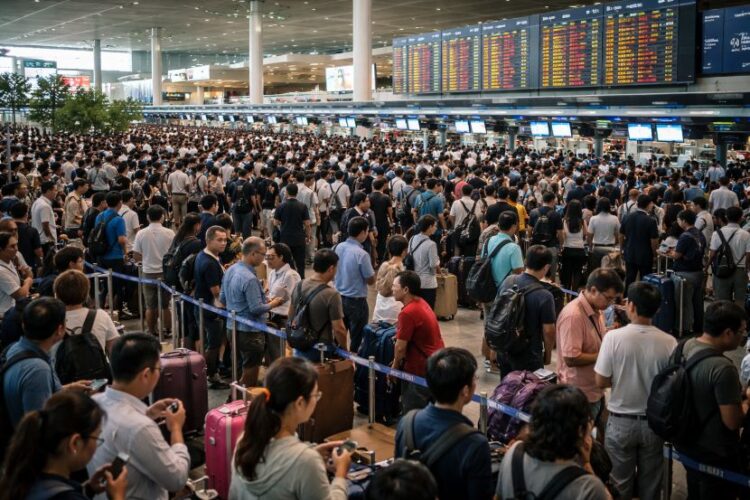
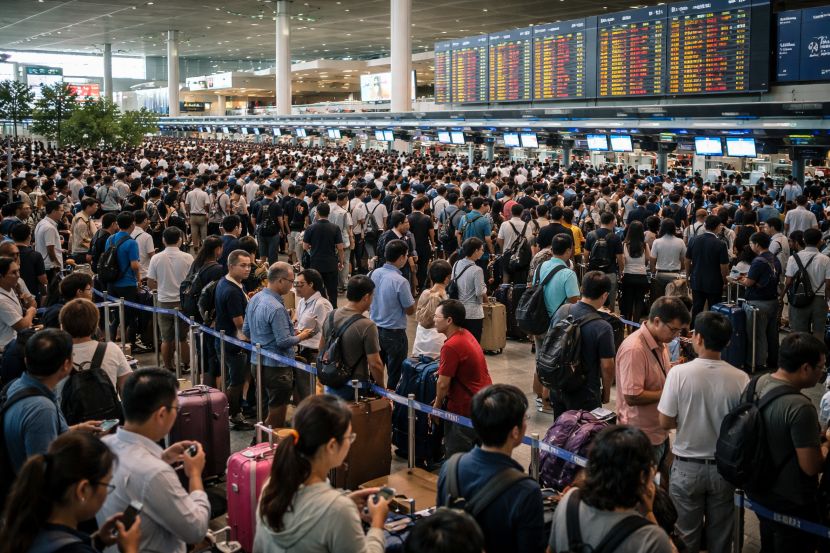
Thousands of Travelers Affected as Airlines Like Air China, China Eastern, and Hainan Airlines Face ...
Comprehensive Summarization:
The article reports on significant operational disturbances at multiple Chinese airports, resulting in over 1,500 flight cancellations and delays. This disruption affects both international and domestic flights at key airports in Beijing, Shanghai, Shenzhen, and other major cities. The disruptions are attributed to operational issues and are likely to impact passenger travel arrangements. The article highlights the potential far-reaching effects on China’s tourism industry, given the current surge in travel demand. The context provided emphasizes the importance of understanding these operational challenges in the context of China’s rapidly growing tourism sector and the broader implications for the travel industry.
Key Points:
Actionable Takeaways:
Operational Preparedness in Travel Industry: Airlines and airports should enhance operational preparedness to mitigate the impact of unforeseen disruptions. This includes having contingency plans for delays and cancellations, which can help maintain passenger trust and minimize financial losses. This takeaway is directly relevant as it addresses the immediate need for operational resilience in the travel sector, especially in light of China’s increasing travel demand.
Impact on Tourism Industry: The disruptions highlight the vulnerability of China’s tourism industry to operational issues. Stakeholders in the tourism sector should consider diversifying their marketing strategies to mitigate risks associated with travel disruptions. This insight is crucial for understanding the broader implications of operational challenges on tourism revenue and consumer confidence.
Contextual Insights:
The article reflects the current challenges faced by the travel industry in China, particularly in the wake of increasing travel demand. The disruptions underscore the need for robust operational strategies and contingency planning. From a forward-looking perspective, the article suggests that the travel industry must adapt to emerging trends such as increased digitalization and the integration of advanced technologies to enhance operational efficiency. Thought leaders emphasize the importance of leveraging data analytics and AI to predict and mitigate potential disruptions, ensuring a seamless travel experience for passengers. This contextual analysis aligns with the latest travel trends and insights, highlighting the importance of innovation and adaptability in navigating the complexities of the modern travel landscape.
Read the Complete Article.
Get curated travel AI insights — choose the newsletters that matter to you.
This spot is reserved for brands with a compelling story for the travel trade. They use this space to cut...
Read moreDetailsTravel One Technologies launches the world’s first Traveler DNA Platform, targeting the structural data gap at the core of an...
Read moreDetails