












Comprehensive Summarization:
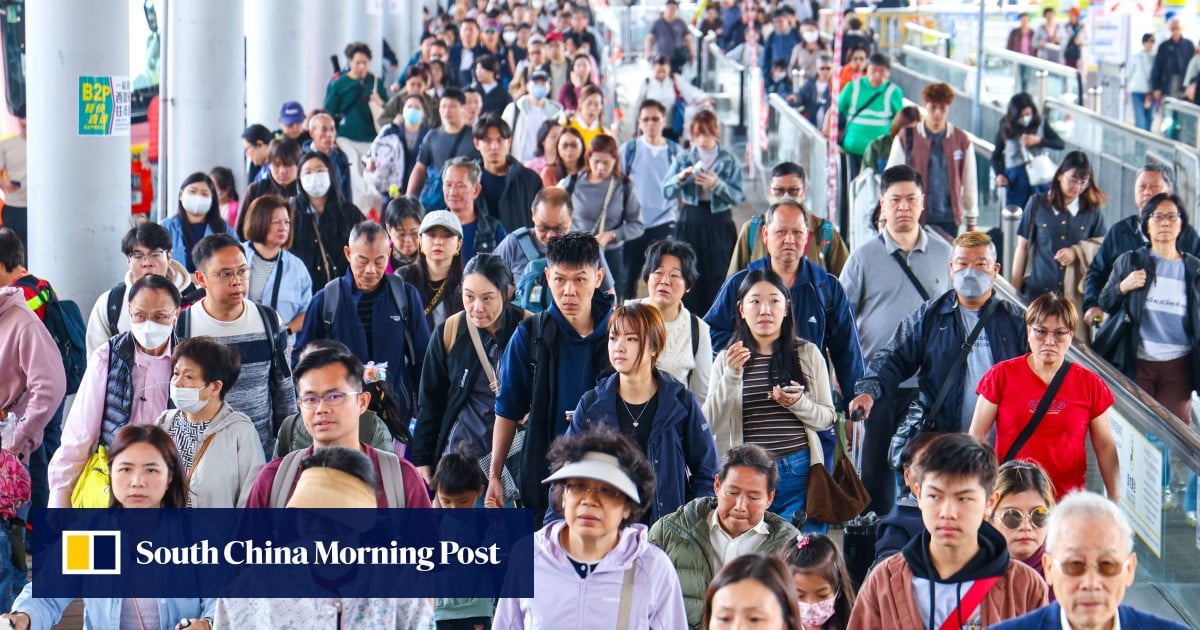
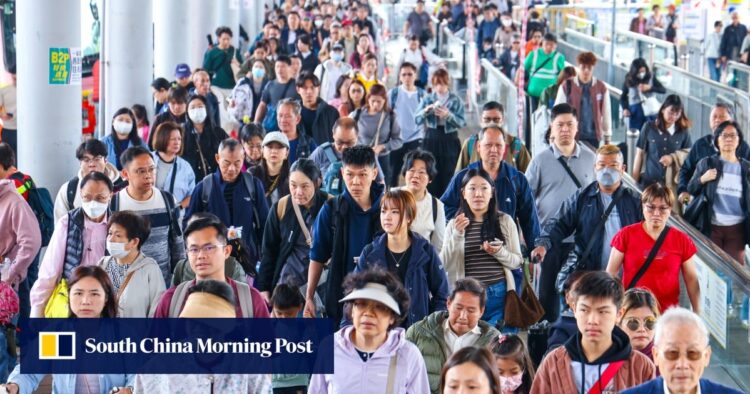
The article highlights a surge in business for Hong Kong’s hotels and tourist-area restaurants during the Lunar New Year holiday. Despite this, the city experienced a significant increase in outbound travel by residents, with 2.5 million journeys made from February 13 to 18, compared to 1 million tourist arrivals from mainland China and elsewhere. An industry leader attributes the rise in outbound travel to worsening ties between China and Japan, indicating that the city’s festival economy is increasingly driven by visitors. The Immigration Department’s figures underscore the growing reliance on tourism as a key economic driver during this period.
Key Points:
- Hong Kong’s hotels and tourist-area restaurants reported robust business during the Lunar New Year holiday.
- There was a notable increase in outbound travel by Hong Kong residents, with 2.5 million journeys made from February 13 to 18.
- The increase in outbound travel is partly attributed to worsening ties between China and Japan.
- Tourist arrivals from mainland China and elsewhere totaled 1 million during the same period.
- The number of outbound trips by Hongkongers over the six days was about 11% higher than during the corresponding period in the previous year.
Actionable Takeaways:
-
Leverage Tourism as a Key Economic Driver: The surge in outbound travel suggests that Hong Kong’s tourism sector is a critical economic driver during festive periods. Businesses in the hospitality industry should capitalize on this trend by offering special packages and promotions to attract both local and international visitors. This strategy aligns with the broader industry trend of using festivals and holidays to boost visitor numbers and revenue.
-
Monitor Geopolitical Factors: The article highlights the impact of China-Japan relations on travel patterns. Travel businesses should keep a close eye on geopolitical developments, as they can significantly influence travel demand. Developing contingency plans and marketing strategies that account for potential shifts in travel behavior due to geopolitical tensions can help mitigate risks and capitalize on opportunities.
Contextual Insights:
The article reflects the current state of the travel industry, where outbound travel by residents is increasingly becoming a significant driver of economic activity, especially during festive seasons. This trend is particularly relevant in Hong Kong, where the city’s economy heavily relies on tourism. The rise in outbound travel, coupled with the impact of geopolitical tensions, underscores the importance of adaptability and foresight in travel planning and marketing strategies. As the industry continues to evolve, staying informed about geopolitical developments and leveraging them to adjust business strategies will be crucial for sustained growth and success. The insights provided align with the latest travel trends, emphasizing the need for businesses to be agile and responsive to changing market conditions.
Read the Complete Article.



