












Sail Through Time: Discover the Timeless Wonders of Upper Egypt Aboard Kenzy Dahabeya
Experience the magic of the Nile aboard Kenzy Dahabeya, a luxury boutique sailing cruise that offers an unforgettable journey between...
Read moreDetails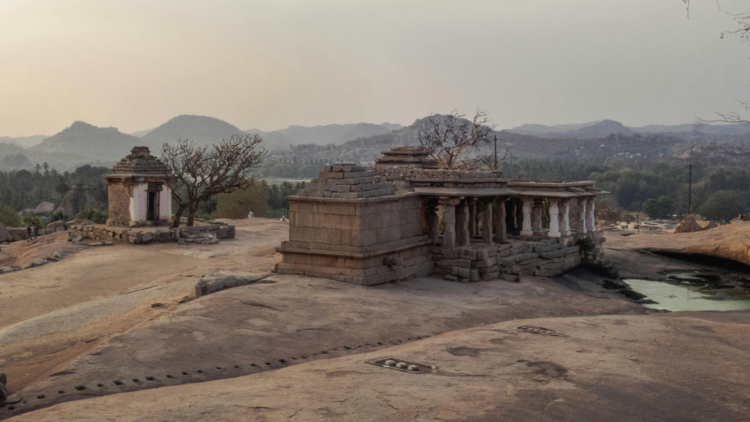
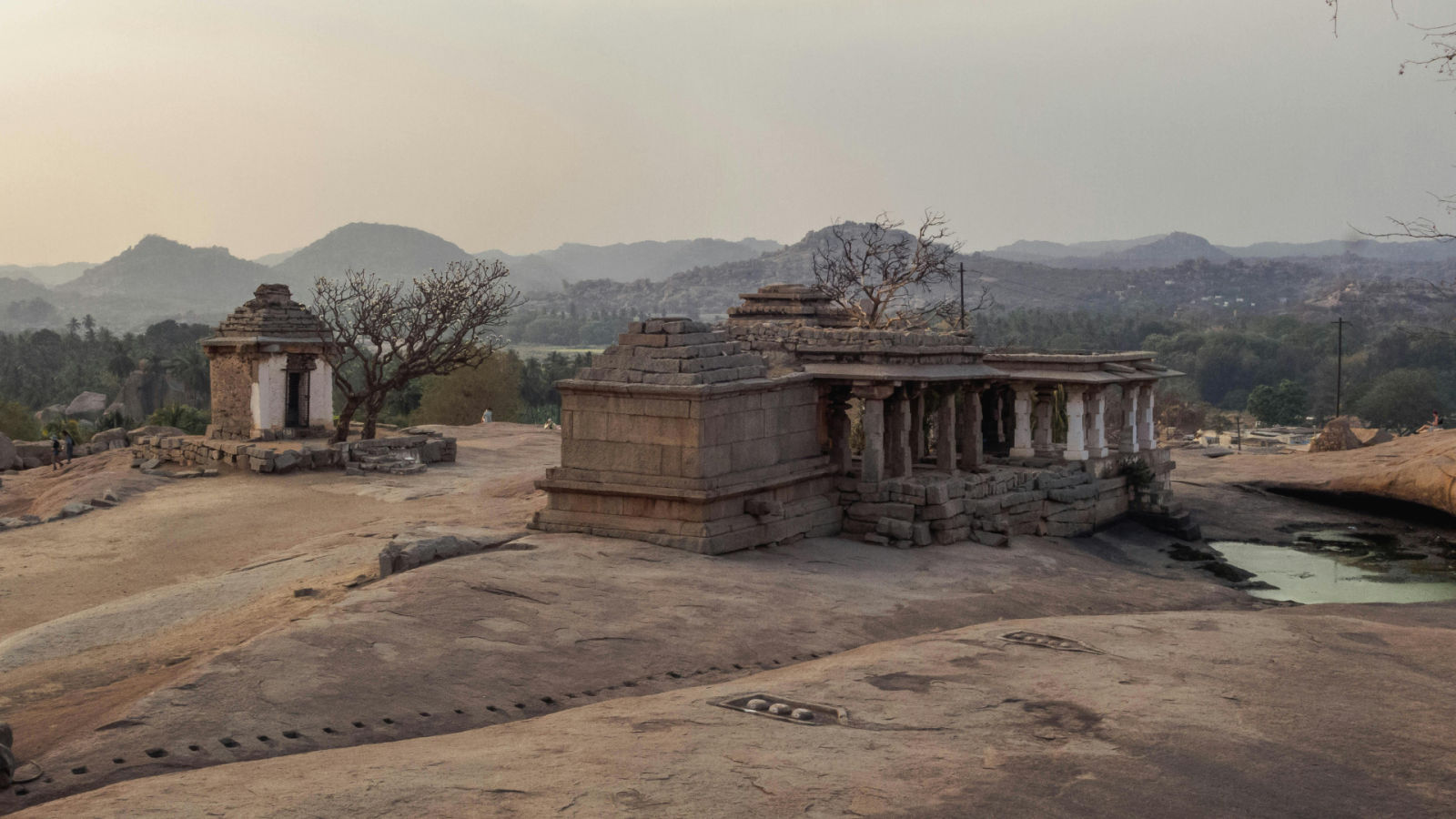
Ancient ruins in Hampi, Karnataka (Photo credit Pexels)
Comprehensive Summarization:
The article explores the intersection of history, myth, and abandonment in shaping tourism in India, using Hampi in Karnataka as a case study. It highlights how liminal spaces, areas suspended between past and present, reveal hidden historical narratives. Historian Eric Chopra discusses the tomb of Nasiruddin Muhammad as a prime example, illustrating how such sites offer a glimpse into the city’s rich past. The piece underscores the importance of these historical remnants in attracting tourists and preserving cultural heritage, even as they remain largely unknown to the general public. It also touches on the broader implications for tourism development in India, suggesting that a deeper understanding and promotion of such sites could enhance the country’s appeal to global travelers.
Key Points:
Actionable Takeaways:
Promote Historical and Mythological Sites: There is a clear opportunity for travel agencies and tourism boards to market lesser-known historical and mythological sites in India. By highlighting these sites, such as the tomb of Nasiruddin Muhammad in Hampi, they can attract a niche market of history enthusiasts and cultural tourists, thereby diversifying the tourism sector.
Leverage Liminal Spaces for Marketing: Travel marketers should focus on liminal spaces, areas that bridge historical and contemporary contexts, as these locations often hold untapped potential for tourism. By crafting narratives around these spaces, travel companies can create unique travel experiences that resonate with culturally curious tourists, thereby enhancing the appeal of India as a destination.
Integrate Technology for Historical Narratives: Utilizing augmented reality (AR) and virtual reality (VR) technologies can bring historical narratives to life, making them more accessible and engaging for tourists. By developing AR/VR experiences around sites like Hampi, travel companies can offer immersive experiences that educate and entertain, thereby enhancing the overall travel experience and encouraging repeat visits.
Contextual Insights:
The article reflects current trends in travel towards experiential and culturally rich experiences, where tourists seek deeper connections with the places they visit. The emphasis on historical and mythological sites aligns with this trend, as travelers increasingly look for destinations that offer a deeper understanding of the world’s heritage. The mention of Eric Chopra, a resident historian in Delhi, underscores the growing importance of local expertise in shaping tourism narratives. This context suggests that the integration of local knowledge and technology can significantly enhance the travel experience, making it more informative and engaging. Furthermore, the article highlights the potential for travel startups to innovate in this space, leveraging technology to create immersive historical experiences that can set new standards in the industry.
Read the Complete Article.
Experience the magic of the Nile aboard Kenzy Dahabeya, a luxury boutique sailing cruise that offers an unforgettable journey between...
Read moreDetails



