












Comprehensive Summarization:
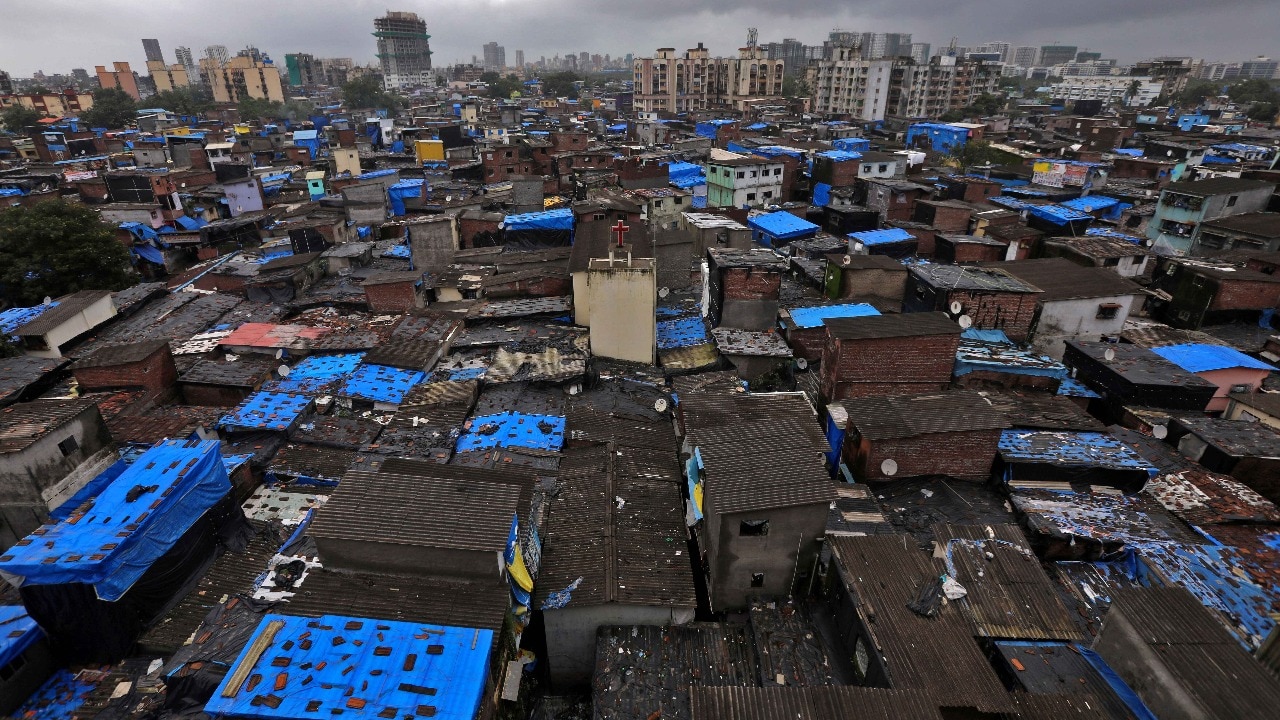
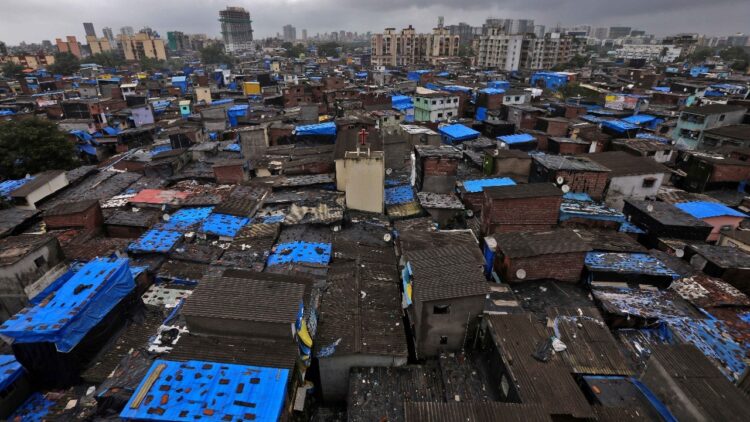
The article explores the phenomenon of poverty being commodified in Dharavi, one of the world’s largest slums located in Mumbai, India. It highlights how poverty is not only a stark reality but is also being sold to the elite for experiences and education, with prices reaching up to Rs 15,000 for a two-hour session. This practice is not limited to foreign visitors but also includes sophisticated domestic elites from areas like Peddar Road and Malabar Hill. The article underscores the stark contrast between the city’s glamour and the stark poverty that exists within its heart, providing a unique insight into the socio-economic dynamics of Mumbai.
Key Points:
- Poverty in Dharavi, Mumbai, is being commodified and sold to the elite for experiences and education.
- The practice is not limited to foreign visitors but also includes domestic elites from affluent areas of Mumbai.
- Prices for such experiences can reach up to Rs 15,000 for a two-hour session.
- The article highlights the stark contrast between Mumbai’s glamour and the poverty within its heart.
Actionable Takeaways:
-
Socio-Economic Awareness in Tourism: Travel companies and tour operators should consider incorporating socio-economic awareness programs in their offerings. By educating tourists about the realities faced by slum dwellers, such as in Dharavi, they can foster a more empathetic and informed travel experience. This approach not only enhances the travel experience for tourists but also contributes to the socio-economic upliftment of the communities involved.
-
Ethical Tourism Practices: There is a growing trend towards ethical tourism, where the focus is on sustainable and responsible travel practices. The commodification of poverty in Dharavi serves as a stark reminder of the need for ethical tourism practices. Travel companies should ensure that their operations do not exploit vulnerable communities for profit and instead promote fair trade and community-based tourism models.
Contextual Insights:
The article reflects the current state of socio-economic disparities within urban centers like Mumbai. It highlights the growing trend of ‘exposure tourism,’ where tourists seek unique experiences that involve interacting with marginalized communities. This trend, while providing unique experiences for tourists, raises ethical concerns about exploitation and the commodification of poverty. The article also underscores the importance of responsible tourism practices, where the focus is on sustainable and respectful engagement with local communities. As the travel industry continues to evolve, there is a pressing need for innovations that balance the interests of tourists with the welfare of local communities, ensuring that travel remains a force for good.
Handling Different Article Types:
The article in question is a news blurb, providing factual information about a specific socio-economic phenomenon in Mumbai. The analysis and insights provided adhere strictly to the facts and context presented in the article, ensuring a professional and informative output suitable for a professional audience.
Read the Complete Article.



