












Comprehensive Summarization:
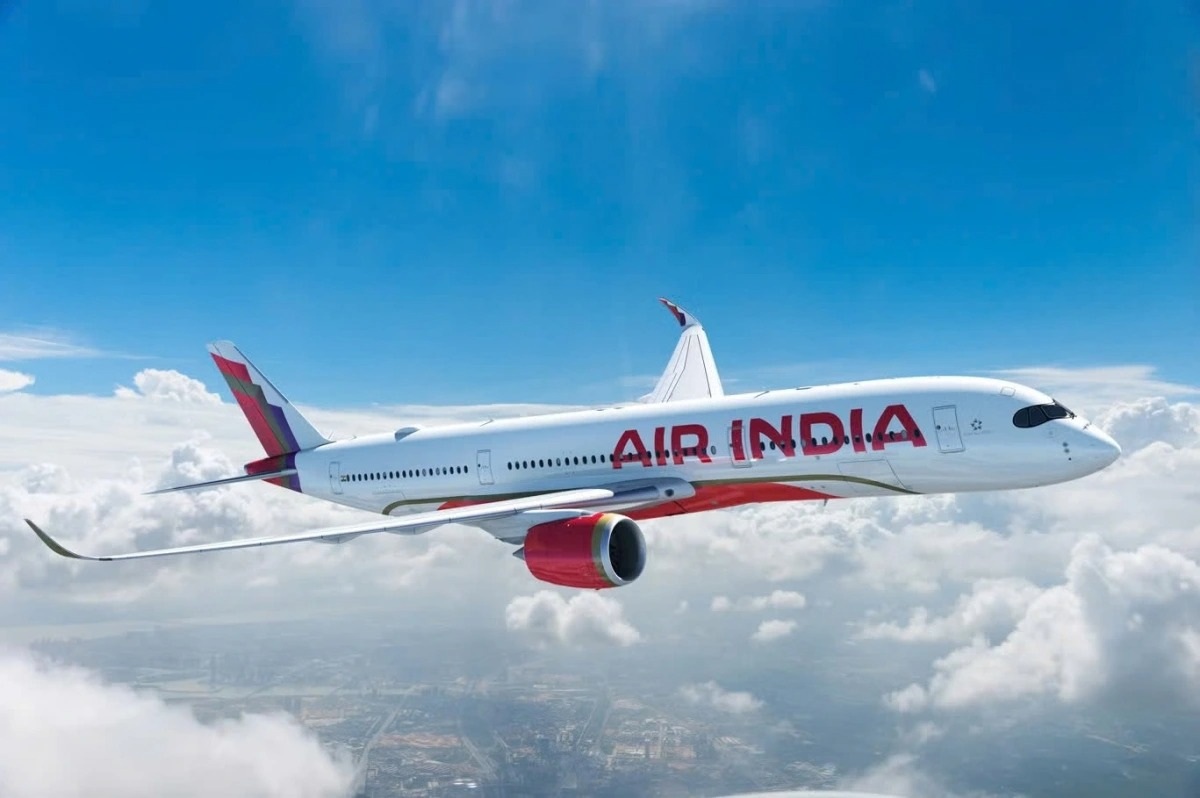
Air India is set to launch direct Delhi-Hanoi flights in May 2026, operating five flights per week using narrow-body aircraft. This new route is expected to add over 7,000 seats per month between India and Vietnam, making Hanoi Air India’s second destination in Vietnam after Ho Chi Minh City. The launch comes as India emerges as a fast-growing tourism market for Vietnam, with strong growth in leisure travel and corporate groups, particularly in the MICE tourism industry segment. Vietnam welcomed more than 746,000 tourists in the previous year, indicating a robust travel demand.
Key Points:
- Air India will introduce direct Delhi-Hanoi flights starting May 2026, operating five flights per week.
- The new route will add more than 7,000 seats per month, significantly increasing connectivity between India and Vietnam.
- Hanoi will become Air India’s second destination in Vietnam, following the introduction of flights to Ho Chi Minh City in 2024.
- India is a rapidly growing tourism market for Vietnam, with strong growth in leisure travel and corporate groups, especially in the MICE tourism segment.
- Vietnam welcomed over 746,000 tourists in the previous year, highlighting a robust travel demand.
Actionable Takeaways:
-
Increased Connectivity: The launch of direct Delhi-Hanoi flights is expected to boost travel between India and Vietnam, providing more options for both leisure and business travelers. This could lead to increased tourism and corporate travel, benefiting airlines, hotels, and other travel-related services in both countries.
-
Market Growth Potential: With India emerging as a fast-growing tourism market for Vietnam, there is a significant opportunity for travel startups and fintech innovations to cater to the growing demand. This includes developing travel packages, enhancing online booking platforms, and offering seamless payment solutions for international travelers.
-
Focus on MICE Tourism: The article highlights the growing importance of the MICE (Meetings, Incentives, Conferences, and Exhibitions) tourism segment in India. Travel companies and service providers should consider tailoring their offerings to meet the specific needs of corporate travelers, such as business-friendly accommodations, conference facilities, and efficient travel logistics.
Contextual Insights:
The introduction of direct flights between Delhi and Hanoi reflects a broader trend of increased connectivity between India and Vietnam, driven by strong economic ties and growing tourism demand. This development aligns with the current travel industry’s focus on expanding routes to emerging markets, particularly in Asia. The rise of MICE tourism in India further underscores the importance of efficient and reliable air travel for business travelers. As the travel industry continues to evolve, innovations in travel tech and fintech will play a crucial role in enhancing the travel experience, making it more convenient and secure for consumers. Companies that leverage these technologies to offer seamless booking, payment, and travel management solutions are likely to gain a competitive edge in the market.
Read the Complete Article.



