












Comprehensive Summarization:
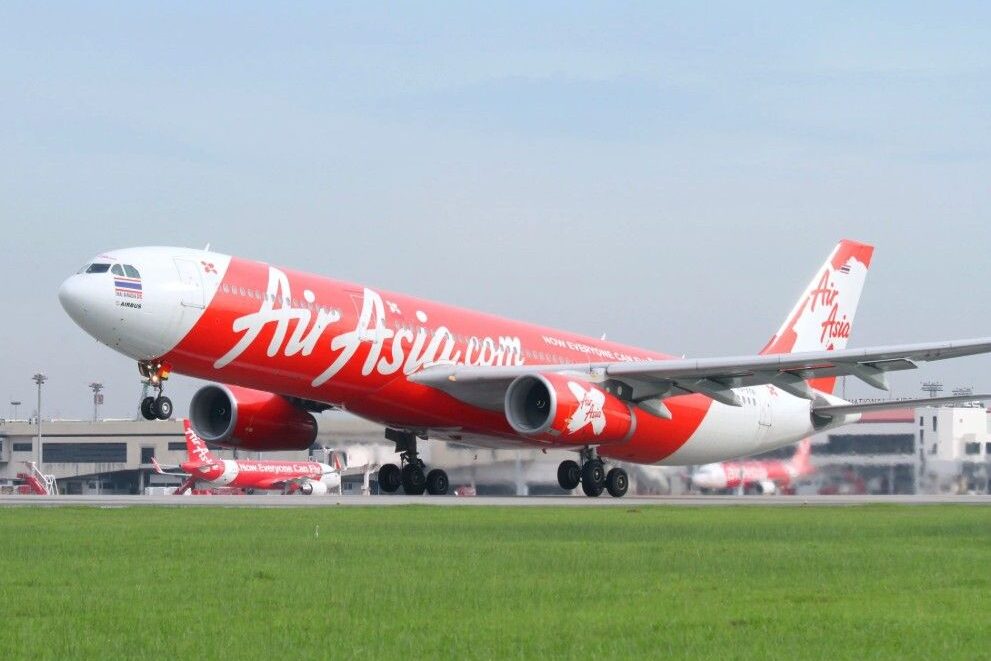
The article highlights Thailand’s significant role in driving AirAsia’s travel demand surge within Southeast Asia, alongside India, China, Malaysia, the Philippines, and Indonesia. This growth is attributed to expanding international routes, rising passenger traffic, and a strong tourism recovery across the region. AirAsia’s strategic route expansion is a key factor in this surge, as the airline enhances regional connectivity. The article underscores the broader context of strong tourism recovery and increasing tourism in these countries, driven by stronger economic ties. The image accompanying the article, generated with AI, depicts AirAsia’s travel services, reinforcing the theme of the airline’s pivotal role in the region’s travel sector.
Key Points:
- Thailand, along with India, China, Malaysia, the Philippines, and Indonesia, is experiencing a surge in AirAsia’s travel demand.
- This surge is fueled by expanding international routes, rising passenger traffic, and a strong tourism recovery across Southeast Asia.
- AirAsia’s strategic route expansion is a critical factor in driving this growth.
- The article emphasizes the broader tourism recovery and increasing tourism in these countries, driven by stronger economic ties.
Actionable Takeaways:
-
Strategic Route Expansion by AirAsia: AirAsia’s strategic expansion of routes is a key driver of the travel demand surge in Southeast Asia. For travel companies and airlines, this highlights the importance of strategic route planning to capitalize on growing tourism trends. It suggests that investing in route expansion can significantly boost market share and passenger traffic, especially in regions experiencing tourism recovery.
-
Importance of Tourism Recovery: The strong recovery in tourism across Southeast Asia, driven by countries like Thailand, is a clear indicator of the region’s economic resilience. For travel startups and fintech companies, this presents an opportunity to innovate in areas such as travel financing, digital payment solutions, and tourism marketing. The recovery suggests a growing market for travel-related services, making it a prime time for innovation and investment.
Contextual Insights:
The article’s focus on AirAsia’s role in driving travel demand in Southeast Asia is deeply rooted in the current state of the travel industry, characterized by a strong recovery in tourism and increasing economic ties among Southeast Asian countries. This context is crucial for understanding the broader implications of AirAsia’s strategic route expansion. The surge in travel demand is not just a regional phenomenon but reflects a global trend of recovery and growth in the travel sector. For thought leaders and industry professionals, this underscores the importance of staying ahead of emerging trends, such as strategic route expansion and tourism recovery, to remain competitive. The integration of AI-generated images, like the one accompanying the article, also highlights the growing role of technology in shaping the travel experience, suggesting that technological advancements will continue to play a pivotal role in the industry’s future.
Read the Complete Article.



