







Sail Through Time: Discover the Timeless Wonders of Upper Egypt Aboard Kenzy Dahabeya
Experience the magic of the Nile aboard Kenzy Dahabeya, a luxury boutique sailing cruise that offers an unforgettable journey between...
Read moreDetails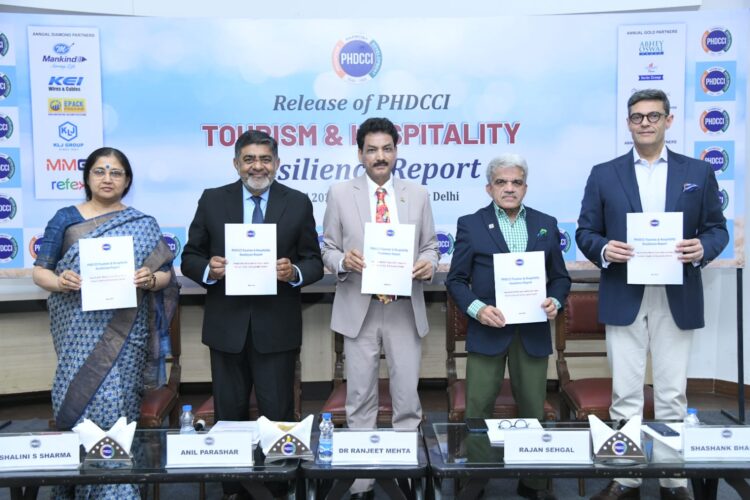
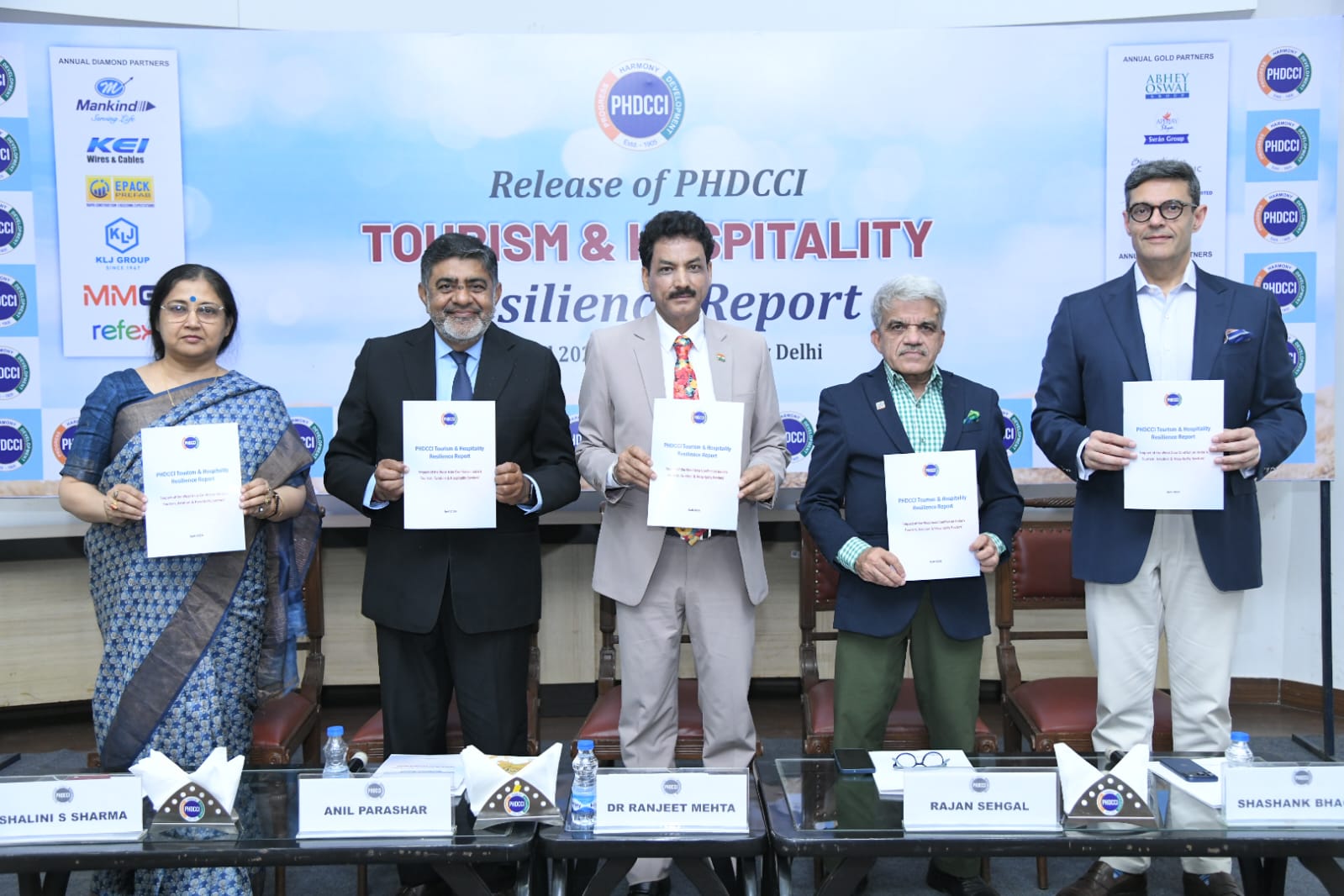
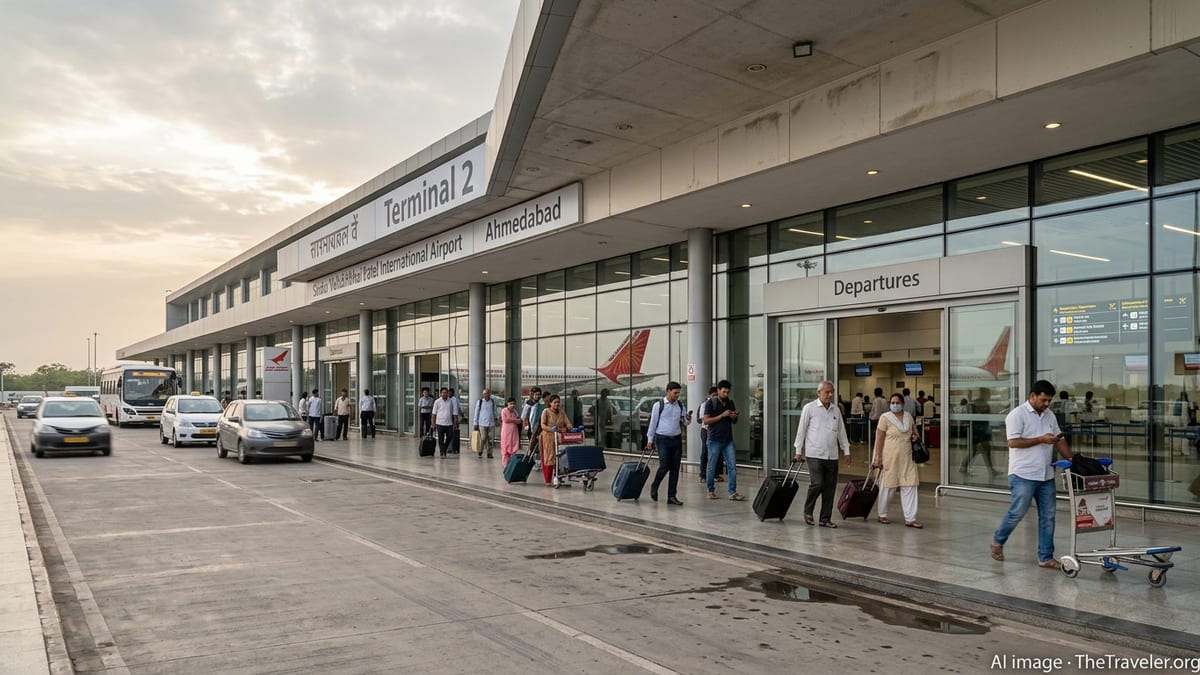
Aviation crisis deepens with 20% tourism fall: PHDCCI report
Comprehensive Summarization:
The PHD Chamber of Commerce and Industry has released a report analyzing the impact of the West Asia conflict on India’s tourism, aviation, and hospitality sectors. The report highlights disruptions across multiple segments, despite domestic demand continuing to support overall activity. The sector, which contributes around 8% to India’s GDP and supports more than 40 million jobs, showed recovery in 2025. However, recent developments in early 2026 have introduced fresh uncertainty, particularly affecting international travel and airline operations. The aviation segment has been the most affected, with flight cancellations, airspace restrictions, and rerouting of international services leading to potential losses of up to ₹18,000 crore for airlines.
Key Points:
Actionable Takeaways:
Mitigate Operational Risks: Airlines and travel companies should implement flexible booking policies and contingency plans to mitigate the impact of flight cancellations and airspace restrictions. This could include offering refunds or rescheduling options to maintain customer satisfaction and loyalty.
Focus on Domestic Travel: Given the uncertainty in international travel, there is an opportunity to boost domestic tourism. Travel companies can leverage this by promoting domestic destinations and travel packages, potentially tapping into the 8% GDP contribution and 40 million jobs supported by the sector.
Invest in Technology for Resilience: The aviation sector’s challenges highlight the need for robust technological solutions to manage disruptions. Investing in advanced booking systems, real-time flight tracking, and customer communication tools can enhance operational resilience and customer experience.
Contextual Insights:
The article reflects the current challenges faced by the travel industry due to geopolitical tensions in West Asia. The disruptions in international travel and airline operations underscore the vulnerability of the sector to external shocks. However, the continued support from domestic demand suggests that the industry can adapt and recover with strategic interventions. The focus on technological resilience and domestic travel opportunities aligns with current industry trends, emphasizing the importance of flexibility and innovation in navigating uncertainties. Thought leaders in the travel sector are likely to advocate for such proactive measures to ensure sustainability and growth in the face of global challenges.
Read the Complete Article.
Experience the magic of the Nile aboard Kenzy Dahabeya, a luxury boutique sailing cruise that offers an unforgettable journey between...
Read moreDetails



