












Article Summary:
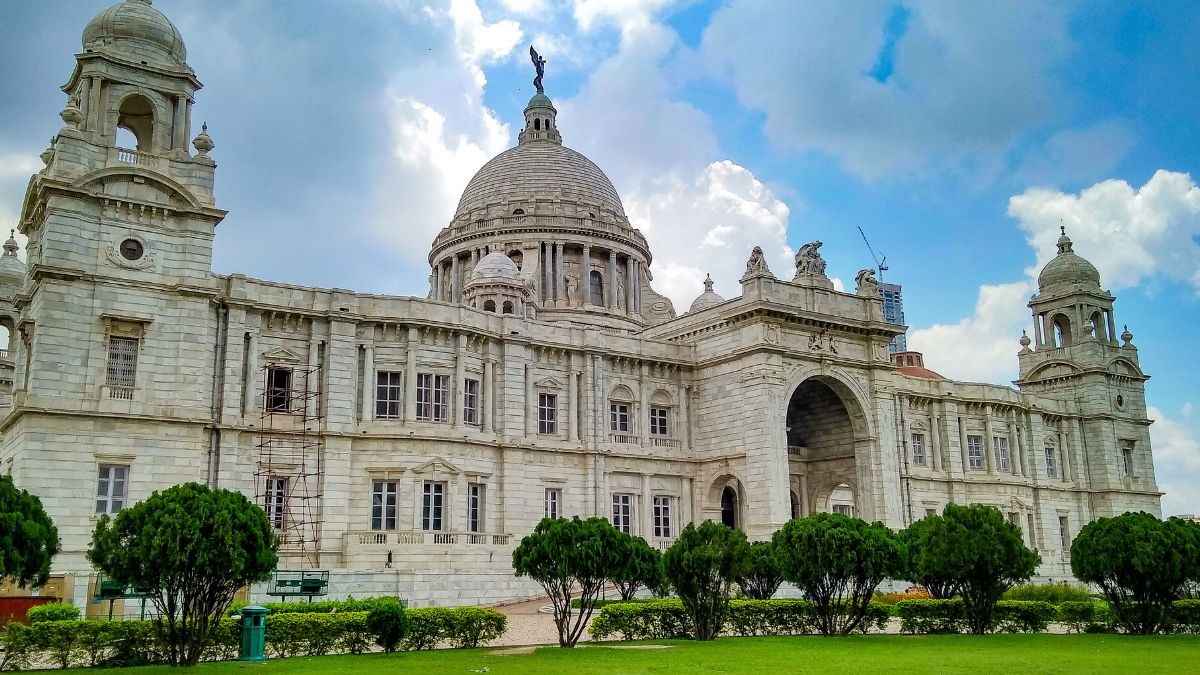
West Bengal has been ranked as the second most popular spot for foreign tourists in India, according to the recently released India Tourism Data Compendium 2025 by the Ministry of Tourism, Government of India. The state’s rich and vibrant culture is a significant factor in its appeal to international tourists. The article also highlights the importance of understanding other states’ rankings in terms of tourist footfall.
Key Points:
- West Bengal has emerged as one of the most favored international tourist destinations in India.
- The state’s rich and vibrant culture plays a crucial role in its popularity among foreign tourists.
- The India Tourism Data Compendium 2025 by the Ministry of Tourism, Government of India, provides the ranking data.
- The article emphasizes the need to understand other states’ rankings in terms of tourist footfall.
Actionable Takeaways:
- Focus on Cultural Tourism: Given West Bengal’s success, other states in India should consider enhancing their cultural offerings to attract more foreign tourists. This could involve promoting unique cultural experiences, historical sites, and traditional arts and crafts.
- Data-Driven Tourism Planning: The release of the India Tourism Data Compendium 2025 underscores the importance of data-driven decision-making in tourism planning. Travel agencies, state governments, and tourism boards should leverage such data to identify popular destinations, understand tourist preferences, and develop targeted marketing strategies.
- Cultural Preservation and Promotion: The success of West Bengal’s tourism can be attributed to its rich cultural heritage. There is a potential opportunity for startups and tech companies to develop innovative solutions that help preserve and promote cultural heritage sites, thereby further boosting tourism.
Contextual Insights:
The ranking of West Bengal as the second most popular tourist destination in India reflects a broader trend in the travel industry towards cultural tourism. As more travelers seek authentic experiences that offer a deep dive into local cultures, destinations that can effectively showcase their cultural heritage are likely to see increased footfall. This trend aligns with the growing emphasis on sustainable and responsible tourism, where the preservation of cultural heritage is a key component. Furthermore, the availability of detailed tourism data, as provided in the India Tourism Data Compendium 2025, enables stakeholders to make informed decisions, optimize resource allocation, and tailor their offerings to meet the evolving preferences of international tourists. This data-driven approach is likely to become increasingly important as the travel industry continues to evolve, driven by technological advancements and changing consumer behaviors.
Read the Complete Article.


