












Comprehensive Summarization:
The article discusses a significant transformation in Indian tourism, moving away from traditional “summer vacation” calendars to a more sophisticated, weather-aligned, and culturally rooted travel experience. Data from early 2026 shows a 14% year-on-year surge in domestic tourism, driven by a demand for niche experiences rather than generic sightseeing. A notable trend highlighted is the “July Phenomenon,” where travelers are increasingly opting for monsoon-highland destinations, challenging the conventional perception of monsoon as a deterrent. This shift reflects a broader trend towards experiential travel, emphasizing unique, culturally immersive experiences over traditional tourist attractions.
Key Points:
- Indian tourism is undergoing a profound metamorphosis, shifting from rigid seasonal calendars to a more flexible, experience-driven approach.
- There is a 14% year-on-year increase in domestic tourism, indicating a strong consumer preference for niche experiences.
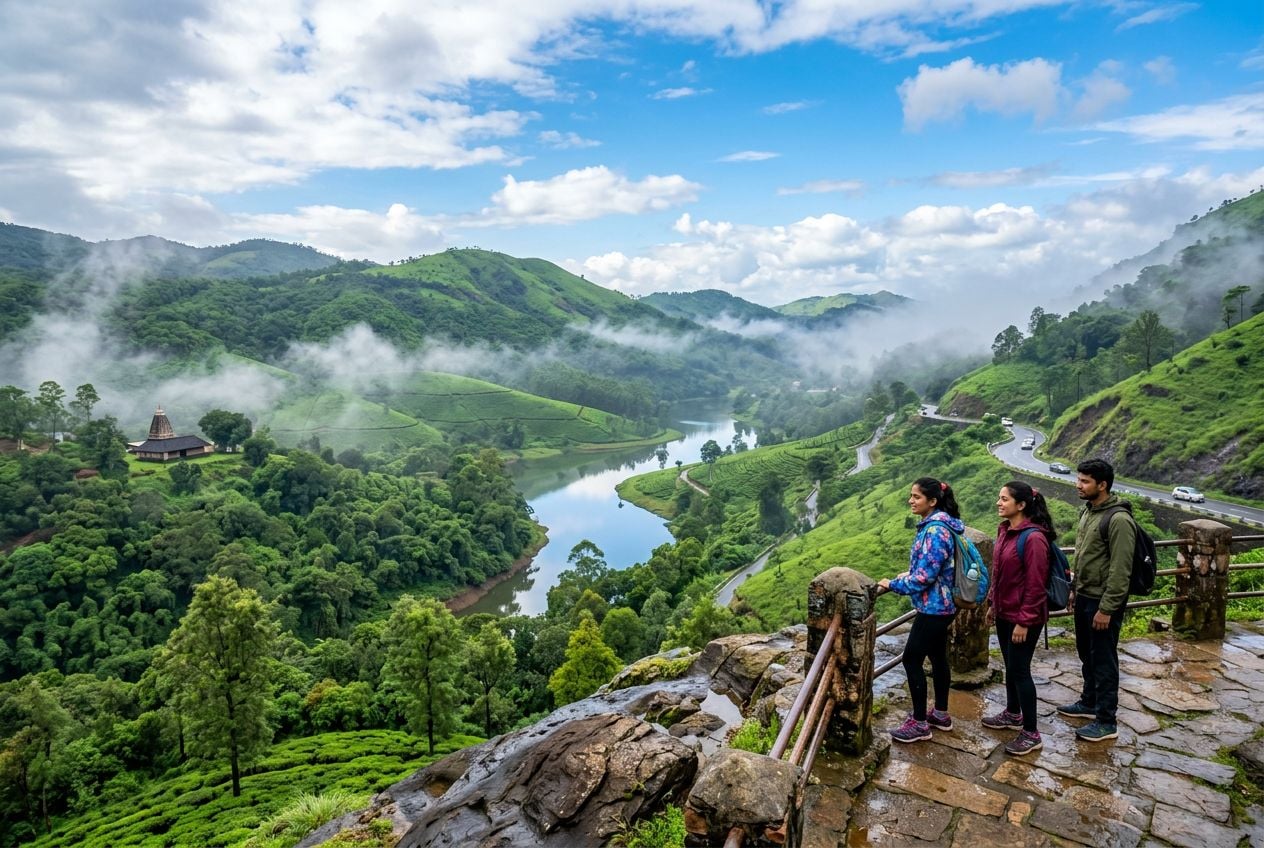
- The “July Phenomenon” represents a shift in travel patterns, with travelers opting for monsoon-highland destinations, indicating a change in perception of monsoon travel.
- The article emphasizes the importance of cultural immersion and unique experiences in shaping modern travel preferences.
Actionable Takeaways:
-
Adopt Experience-Driven Marketing Strategies: Travel businesses should focus on marketing niche, culturally immersive experiences to capitalize on the growing demand for unique travel offerings. This shift aligns with consumer preferences and can differentiate businesses in a competitive market.
-
Leverage Weather-Aligning Travel Itineraries: Incorporate weather-aligned travel options, such as promoting monsoon-highland destinations, to attract travelers seeking unique experiences. This approach can help mitigate the negative perception of monsoon travel and tap into a growing market segment.
-
Invest in Technology for Personalized Travel Experiences: Utilize travel tech to offer personalized, data-driven travel recommendations. This could include AI-driven itinerary planning, personalized travel itineraries, and real-time updates on weather and cultural events, enhancing the overall travel experience.
Contextual Insights:
The article reflects the current trend towards experiential travel, where travelers prioritize unique, culturally rich experiences over traditional sightseeing. This shift is supported by data indicating a significant increase in domestic tourism, driven by a desire for niche experiences. The “July Phenomenon” highlights a changing perception of monsoon travel, suggesting that travelers are increasingly open to exploring destinations during the monsoon season if they offer unique cultural and natural experiences. This trend underscores the importance of leveraging technology and innovative marketing strategies to meet evolving consumer demands. Furthermore, the article aligns with broader industry trends towards personalization and the integration of technology in travel planning, suggesting that travel businesses should invest in these areas to stay competitive and meet the expectations of modern travelers.
Read the Complete Article.



