













Article Summary:
The article discusses the apparent decline of tourism in Goa, highlighted by empty beaches, deserted streets, and closed shacks, which have sparked concerns about the state’s once-thriving tourist industry. This decline is attributed to viral posts on social media and mainstream news, raising questions about the future of Goa as a popular destination. Additionally, the article mentions growing whispers about Indian tourists reconsidering their trips due to reports of exploitation by taxi drivers and rising hotel costs. There is also a shift in preference towards cheaper alternatives available abroad, particularly in Southeast Asian countries. Despite these challenges, Goa remains a significant "right of passage" for many Indian youth, indicating its enduring appeal.
Key Points:
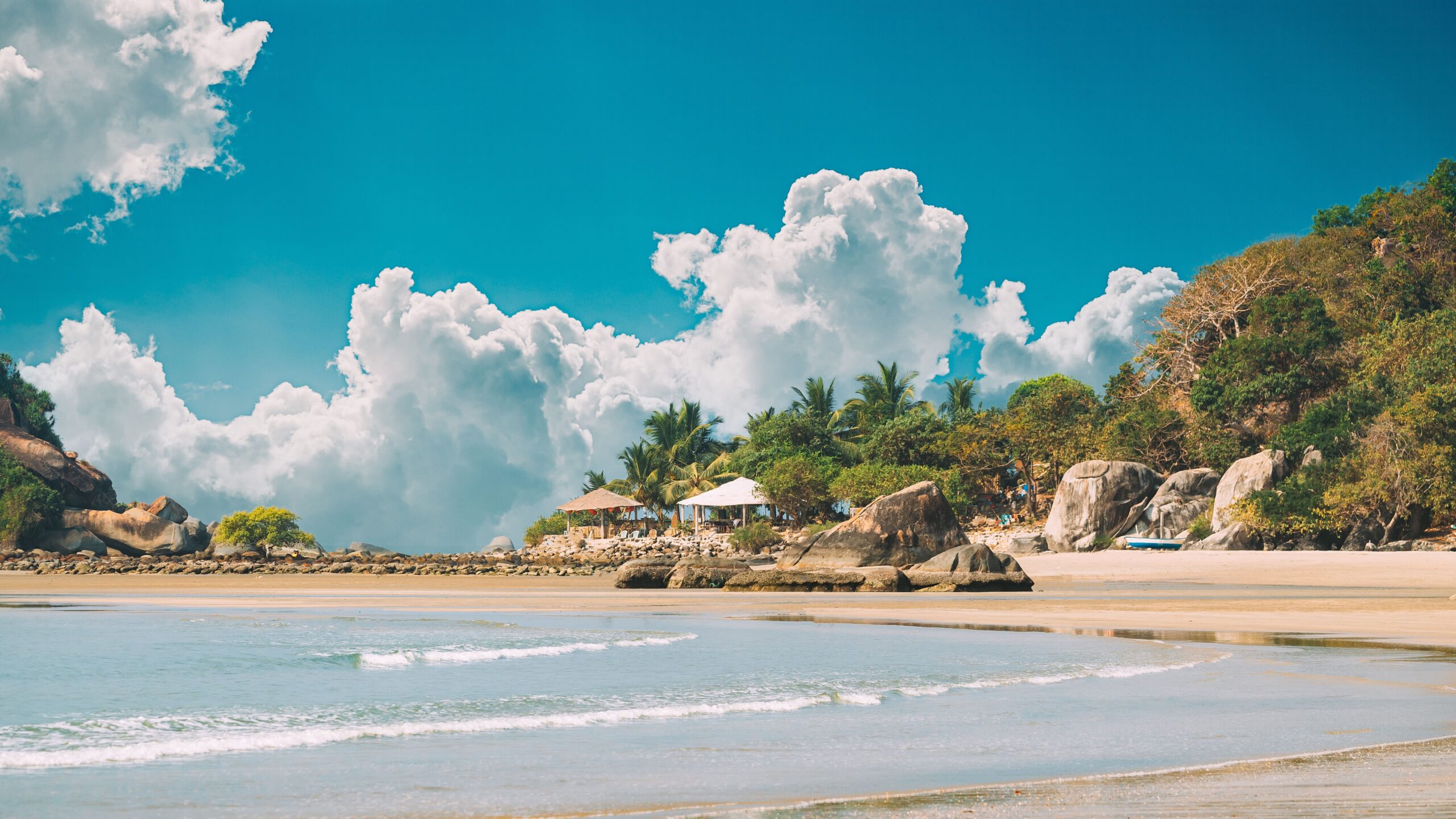
- Goa is experiencing a decline in tourism, evidenced by empty beaches, deserted streets, and closed shacks, leading to concerns about the state’s tourism industry.
- Social media and mainstream news have been flooded with discussions about the apparent decline, raising concerns among both locals and tourists.
- There are growing whispers about Indian tourists reconsidering their trips to Goa due to reports of exploitation by taxi drivers and rising hotel costs.
- Cheaper alternatives are now available abroad, particularly in Southeast Asian countries, influencing tourist preferences.
- Despite the challenges, Goa remains a significant "right of passage" for many Indian youth, indicating its enduring appeal.
Actionable Takeaways:
- Diversify Tourism Offerings: To mitigate the decline in tourism, Goa should focus on diversifying its offerings to attract a broader range of tourists. This could include promoting unique cultural experiences, eco-tourism, or off-the-beaten-path destinations within Goa. Relevance: Ensures sustained interest from both domestic and international tourists, potentially offsetting the decline caused by negative perceptions.
- Enhance Safety and Transparency Measures: Addressing concerns about exploitation by taxi drivers and rising hotel costs is crucial. Implementing stricter regulations, improving safety measures, and enhancing transparency in pricing and services can rebuild trust among tourists. Relevance: Reduces the risk of negative word-of-mouth and discourages tourists from seeking alternatives abroad.
- Leverage Digital Marketing and Influencer Collaborations: Utilize digital marketing strategies and collaborate with travel influencers to showcase Goa’s unique attractions and experiences. Highlighting the state’s cultural richness, adventure opportunities, and hidden gems can rekindle interest among potential tourists. Relevance: Digital platforms are powerful tools for reaching a global audience, and influencer collaborations can lend credibility and attract younger, tech-savvy travelers.
Contextual Insights:
The decline in tourism in Goa is a significant concern for the state’s economy, which heavily relies on the tourism sector. The article’s context highlights the impact of social media and news coverage in shaping public perception, underscoring the importance of proactive communication strategies. The shift in tourist preferences towards cheaper alternatives abroad reflects broader global travel trends, where cost-effectiveness and value for money are increasingly prioritized. This trend presents an opportunity for Goa to position itself as a more affordable yet culturally rich destination compared to other Southeast Asian countries. Additionally, the enduring appeal of Goa as a "right of passage" for Indian youth suggests a resilient domestic market, which can be leveraged to stabilize and grow tourism numbers. By addressing safety concerns, diversifying offerings, and leveraging digital marketing, Goa can navigate the challenges posed by the current tourism decline and position itself for future growth.
Read the Complete Article.



