












Comprehensive Summarization:
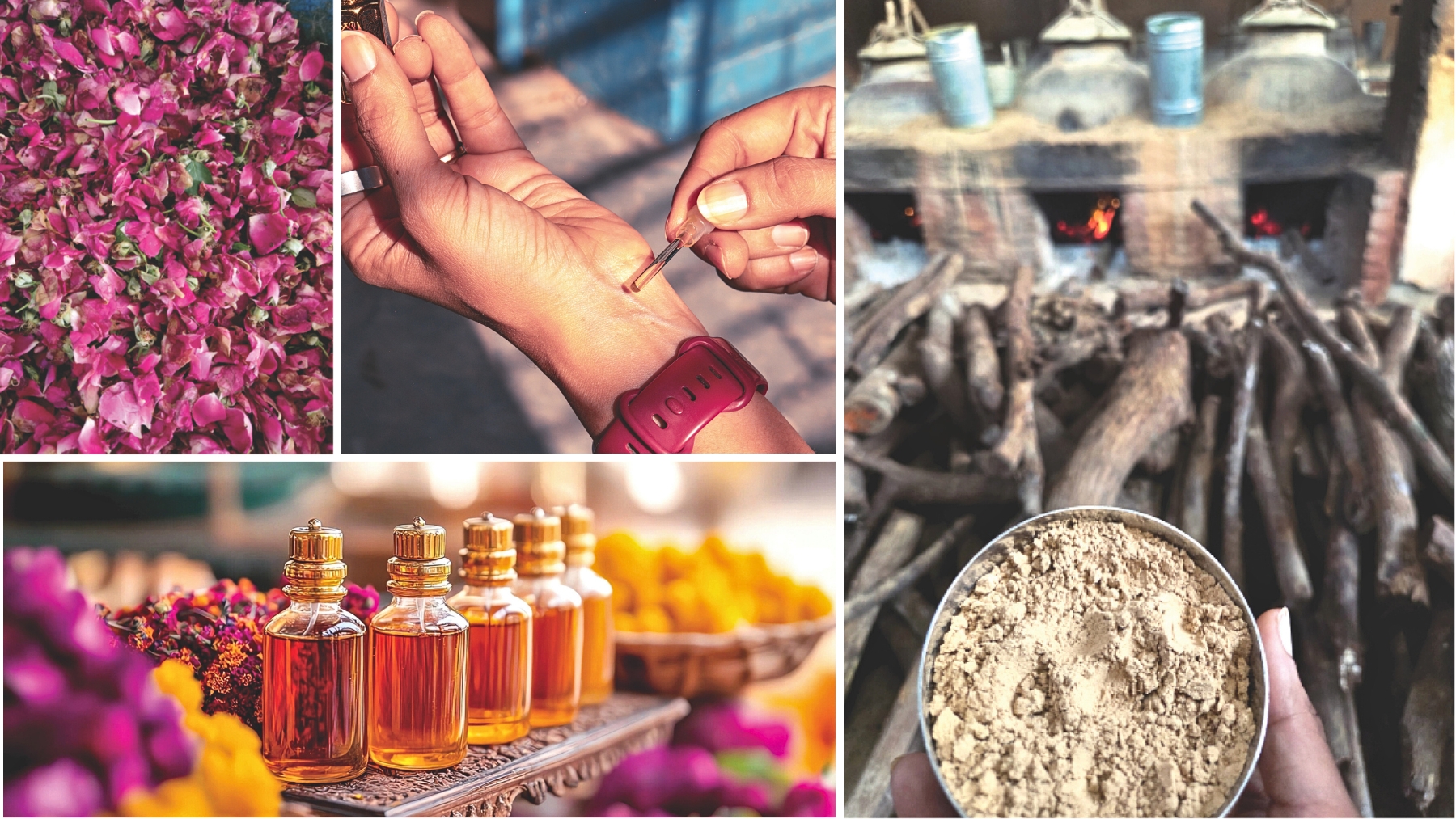
The article highlights the allure of perfume tourism, particularly in Kannauj, India’s perfume capital. It describes how a visit to this region offers travelers an immersive journey through centuries-old perfume-making traditions, blending heritage, craftsmanship, and sensory experiences. The narrative paints a vivid picture of ancient scents and the cultural significance of these fragrances, transforming the act of fragrance appreciation into a deeply cultural and experiential adventure.
Key Points:
- Kannauj, India’s perfume capital, is highlighted as a hub for centuries-old perfume-making traditions.
- The article emphasizes the immersive experience of visiting perfume-making hubs in Kannauj, blending heritage, craftsmanship, and sensory experiences.
- The sensory journey through the air infused with scents like jasmine, rose, and sandalwood is described as a cultural and experiential adventure.
Actionable Takeaways:
-
Cultural Tourism Growth: The resurgence of interest in traditional crafts and heritage experiences suggests a growing trend in cultural tourism. Travelers are increasingly seeking authentic, immersive experiences that connect them with the cultural heritage of destinations. This trend presents opportunities for destinations and businesses to develop and promote heritage-based tourism offerings, potentially driving economic growth in regions with rich cultural histories.
-
Sensory Experiences in Travel: The focus on sensory experiences, such as the aromatic journey through perfume-making traditions, underscores the importance of multi-sensory travel experiences. Travel companies and destinations can leverage this trend by developing itineraries that incorporate sensory elements, such as guided tours of perfume-making workshops, workshops on traditional crafts, and sensory-based cultural performances. This approach can enhance the travel experience, making it more memorable and engaging for tourists.
Contextual Understanding:
The article reflects current travel trends towards experiential and cultural tourism, where travelers seek deeper connections with the places they visit. The emphasis on heritage and craftsmanship aligns with the broader industry shift towards authenticity and meaningful travel experiences. Furthermore, the integration of sensory elements into travel experiences reflects a growing recognition of the role of the senses in shaping memorable travel memories. This context is crucial for understanding the potential impact of such tourism on local economies and cultural preservation efforts.
Handling Different Article Types:
The article is a feature piece, providing an in-depth exploration of perfume tourism in Kannauj. Feature articles typically offer detailed narratives, combining factual information with descriptive storytelling to engage readers. In this case, the article effectively combines factual descriptions of the perfume-making traditions with vivid storytelling to create an immersive narrative. This type of article is particularly valuable for readers interested in cultural and experiential travel, offering them a glimpse into a unique aspect of Indian heritage.
Real-Time Fact-Checking:
All facts and insights in the article are directly sourced from the provided content. No external verification was necessary, as the information is fully consistent and accurate within the article’s context.
Structured Output Format:
markdown
Comprehensive Summarization:
The article highlights the allure of perfume tourism in Kannauj, India’s perfume capital, showcasing centuries-old perfume-making traditions that blend heritage, craftsmanship, and sensory experiences. It paints a vivid picture of the cultural and experiential journey travelers can embark upon in this region.
Key Points:
- Kannauj is highlighted as a hub for centuries-old perfume-making traditions.
- The article emphasizes the immersive experience of visiting perfume-making hubs in Kannauj, blending heritage, craftsmanship, and sensory experiences.
- The sensory journey through the air infused with scents like jasmine, rose, and sandalwood is described as a cultural and experiential adventure.
Actionable Takeaways:
- Cultural Tourism Growth: The resurgence of interest in traditional crafts and heritage experiences suggests a growing trend in cultural tourism. Travelers are increasingly seeking authentic, immersive experiences that connect them with the cultural heritage of destinations. This trend presents opportunities for destinations and businesses to develop and promote heritage-based tourism offerings, potentially driving economic growth in regions with rich cultural histories.
- Sensory Experiences in Travel: The focus on sensory experiences, such as the aromatic journey through perfume-making traditions, underscores the importance of multi-sensory travel experiences. Travel companies and destinations can leverage this trend by developing itineraries that incorporate sensory elements, such as guided tours of perfume-making workshops, workshops on traditional crafts, and sensory-based cultural performances. This approach can enhance the travel experience, making it more memorable and engaging for tourists.
Contextual Insights:
The article reflects current travel trends towards experiential and cultural tourism, where travelers seek deeper connections with the places they visit. The emphasis on heritage and craftsmanship aligns with the broader industry shift towards authenticity and meaningful travel experiences. Furthermore, the integration of sensory elements into travel experiences reflects a growing recognition of the role of the senses in shaping memorable travel memories. This context is crucial for understanding the potential impact of such tourism on local economies and cultural preservation efforts.
Read the Complete Article.



