









Sail Through Time: Discover the Timeless Wonders of Upper Egypt Aboard Kenzy Dahabeya
Experience the magic of the Nile aboard Kenzy Dahabeya, a luxury boutique sailing cruise that offers an unforgettable journey between...
Read moreDetails
Comprehensive Summarization:
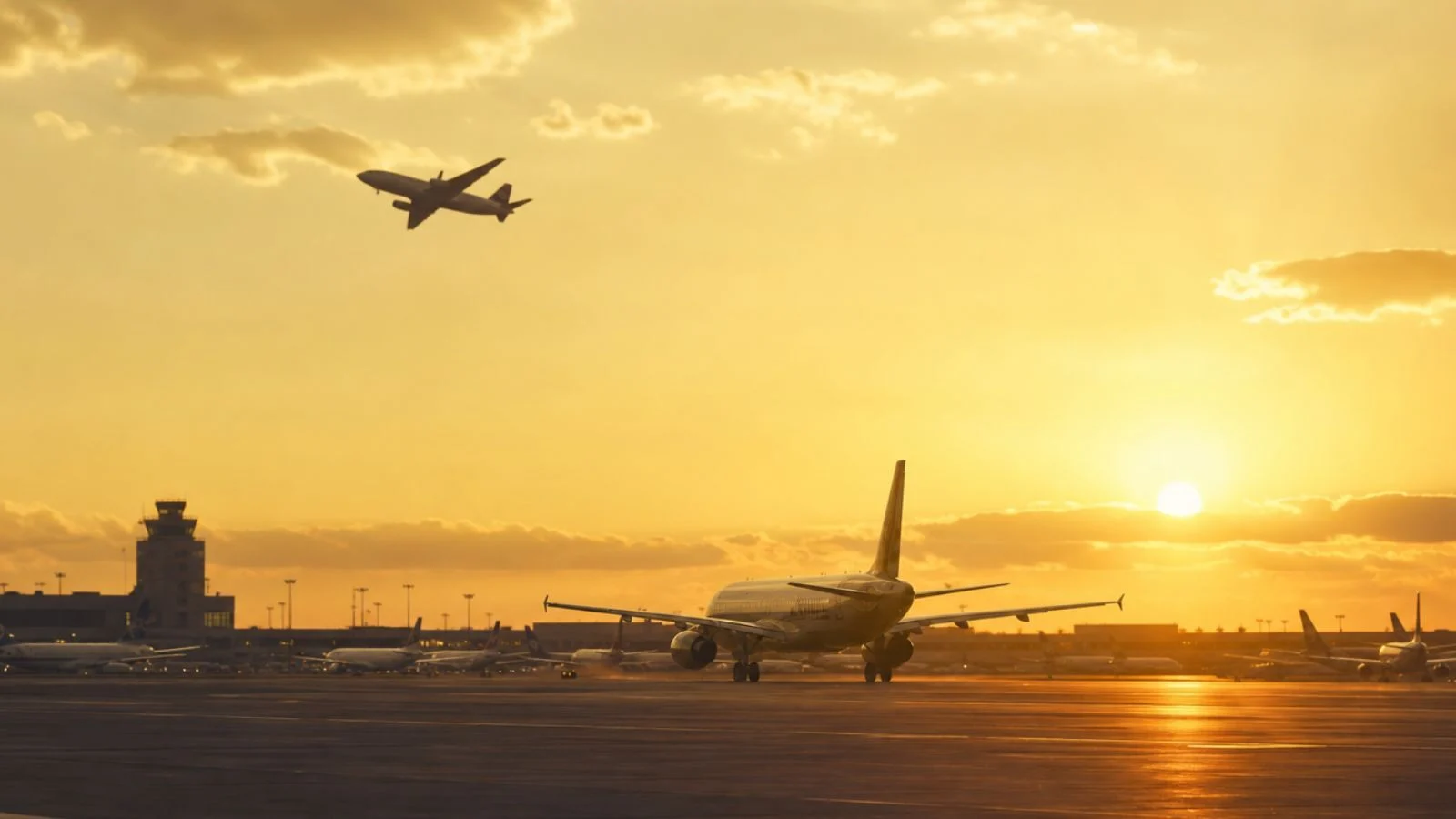
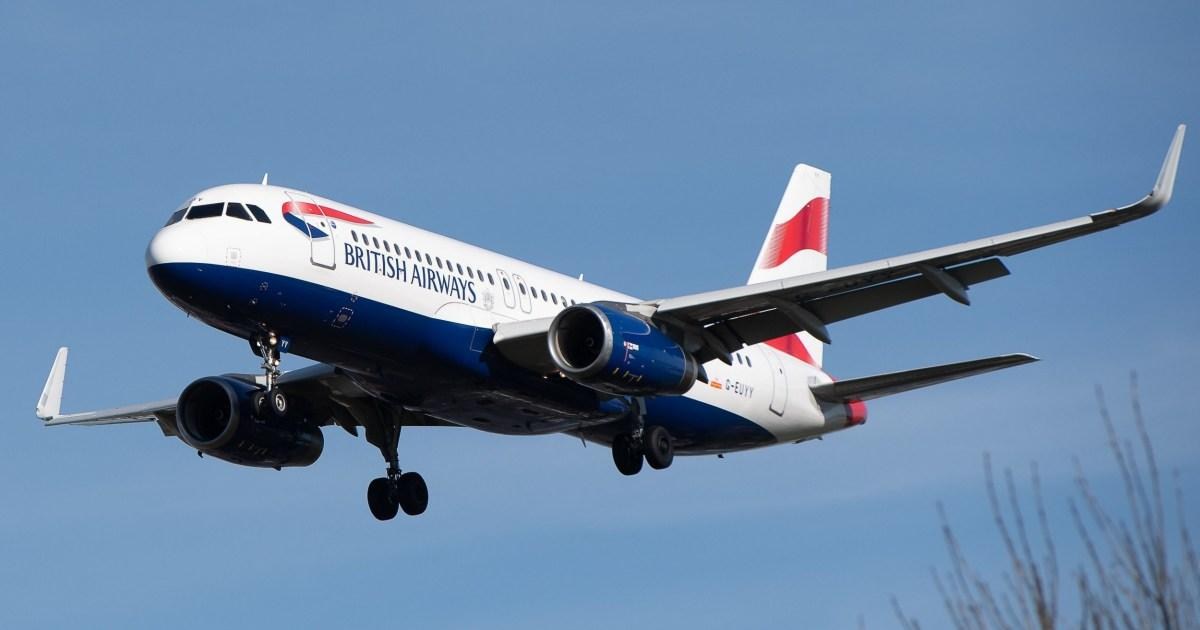
The article reports on a significant travel disruption affecting several major airlines, including Air Canada, Virgin Atlantic, and Air India, at Toronto Pearson International Airport. The disruption resulted in 54 flight delays and 11 cancellations, impacting routes to key destinations such as London, New York City, and Montego Bay. This incident highlights ongoing challenges in the travel industry, particularly in managing flight operations amidst potential disruptions. The article also touches on broader travel trends and insights from industry thought leaders, emphasizing the need for robust travel tech solutions to mitigate such disruptions.
Key Points:
Actionable Takeaways:
Invest in Travel Tech Solutions: Airlines and airports should invest in advanced travel technology to enhance operational efficiency and resilience against disruptions. This includes real-time flight tracking systems, automated customer notifications, and integrated booking platforms to minimize the impact of flight delays and cancellations.
Enhance Communication Protocols: Airlines should improve communication protocols to promptly inform passengers about delays and cancellations. This includes proactive updates via mobile apps, email, and social media, ensuring transparency and reducing passenger frustration.
Diversify Routes and Partnerships: To mitigate risks associated with major hub disruptions, airlines should consider diversifying their route networks and forming strategic partnerships with other carriers. This can provide alternative pathways for passengers and reduce the impact of localized disruptions.
Contextual Insights:
The article reflects the current challenges faced by the travel industry, particularly in managing operational disruptions that can significantly impact travel plans. The incident at Toronto Pearson International Airport underscores the vulnerability of the travel sector to unforeseen operational issues. In response, there is a growing emphasis on leveraging travel tech to enhance operational resilience and improve passenger experience. Thought leaders emphasize the importance of real-time data analytics and predictive modeling to anticipate and mitigate potential disruptions. Additionally, the article highlights the need for airlines to adopt flexible booking policies and diversified route networks to better withstand operational challenges. These insights are crucial for industry stakeholders aiming to navigate the evolving landscape of travel and tourism, ensuring they remain competitive and responsive to emerging trends and technological advancements.
Read the Complete Article.
Experience the magic of the Nile aboard Kenzy Dahabeya, a luxury boutique sailing cruise that offers an unforgettable journey between...
Read moreDetails



