












Comprehensive Summarization:
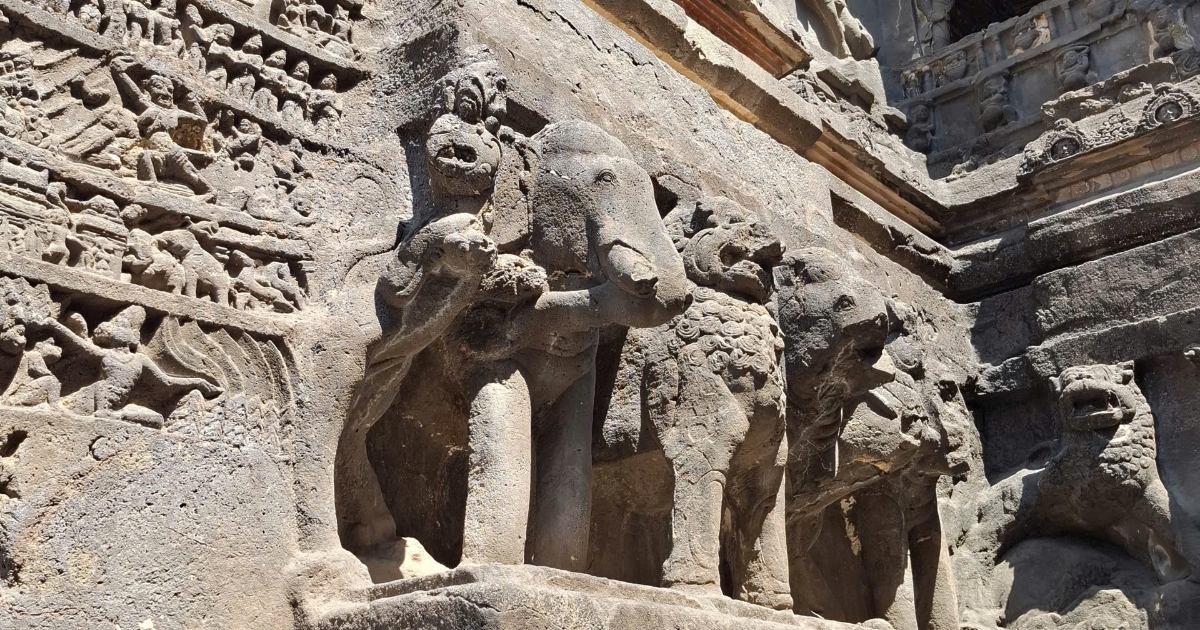
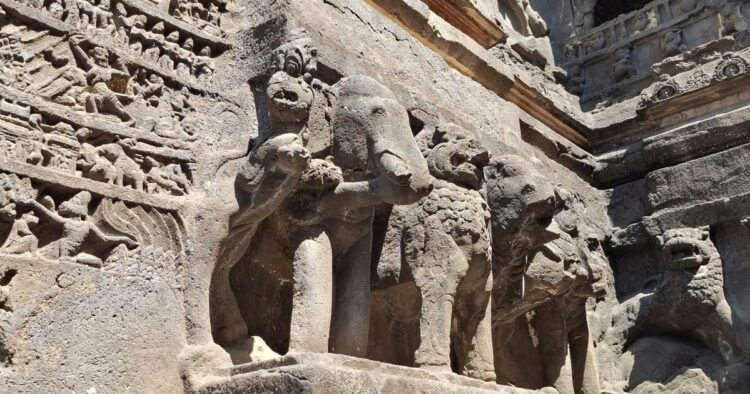
The article provides a detailed account of a familiarization trip organized by the Embassy of India in Vietnam and the government of Maharashtra. This trip allowed a delegation of international journalists and travel companies, including a representative of Vietnam Economic Times (VnEconomy), to experience an ancient heritage site firsthand. The site, nestled within the Charanandri Hills, showcases India’s ability to preserve its ancient heritage while promoting it as a strategic asset in the country’s rapidly growing tourism industry. The visit highlighted the unique approach India takes in balancing heritage preservation with tourism promotion, offering valuable insights into the country’s tourism strategies.
Key Points:
- The delegation, including a representative from Vietnam Economic Times, visited an ancient heritage site in India.
- The site is located within the Charanandri Hills and is one of India’s most remarkable architectural wonders.
- The visit aimed to showcase how India preserves ancient heritage sites while promoting them as strategic assets in the tourism industry.
- Unlike many historic monuments, this site demonstrates India’s innovative approach to heritage preservation and tourism promotion.
Actionable Takeaways:
-
Heritage Preservation and Tourism Promotion: India’s strategy of preserving ancient heritage sites while promoting them as strategic assets in the tourism industry presents a model for other countries. Travel companies and tourism boards can learn from this approach to balance cultural preservation with economic growth, potentially increasing the appeal of heritage tourism globally.
-
Balancing Tradition and Modernity: The article highlights India’s ability to maintain ancient architectural wonders while integrating them into a modern tourism industry. This balance is crucial for travel startups and tech companies focusing on travel tech, as it demonstrates the potential for innovative solutions that respect cultural heritage while leveraging modern technology to enhance visitor experiences.
Contextual Insights:
The visit underscores the ongoing trend in the travel industry towards sustainable and culturally sensitive tourism. As global travel continues to recover post-pandemic, there is a growing emphasis on responsible tourism practices that respect historical and cultural sites. India’s approach serves as a case study for other nations looking to integrate heritage preservation with tourism development. Furthermore, the article aligns with current travel trends emphasizing authenticity and unique experiences, suggesting that destinations with rich heritage can attract niche markets seeking immersive travel experiences.
Handling Different Article Types:
The article is a news blurb, providing factual information about a specific trip and its implications for India’s tourism strategy. The structured output format ensures that the key points and actionable takeaways are clearly presented, making it easy for readers to digest and apply the information. The contextual insights integrate the latest travel trends, such as the focus on sustainability and cultural authenticity, to provide a forward-looking perspective on the travel industry.
Read the Complete Article.



