












Comprehensive Summarization:
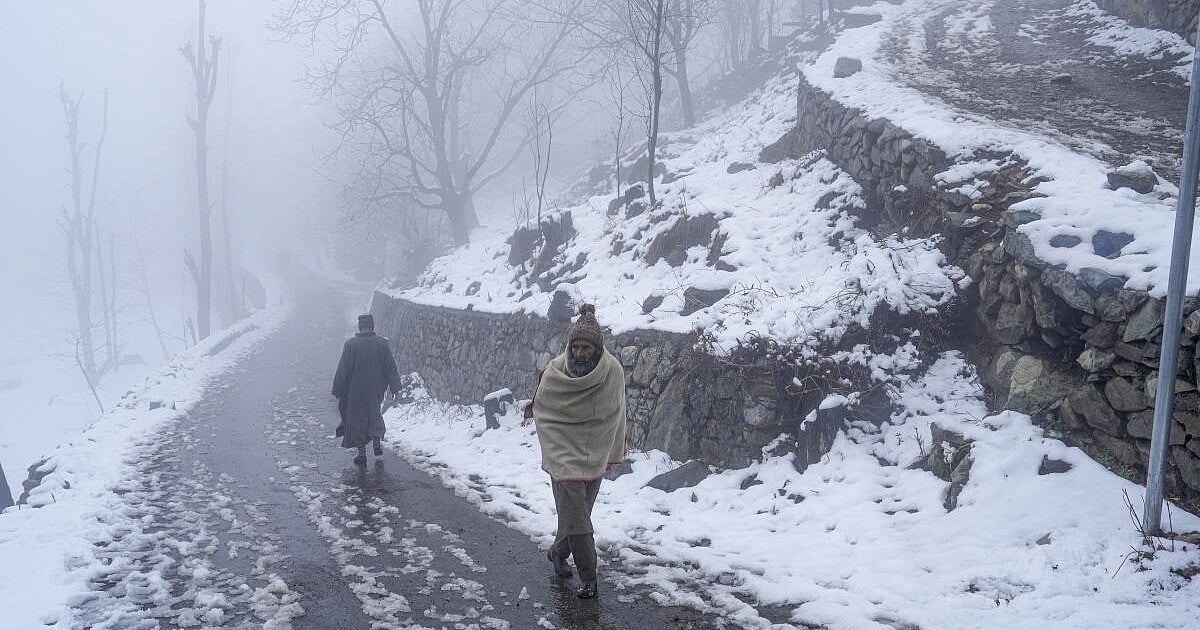
The article discusses the 2025 winter season in Jammu and Kashmir, highlighting inconsistent snowfall patterns and the resulting impact on ski tourism. Advance bookings turned into last-minute confirmations due to weather forecasts, indicating a volatile market. The author, Zulfikar Majid, emphasizes the challenges faced by the tourism industry due to unpredictable weather, which affects both planning and revenue. The article underscores the need for adaptive strategies in travel planning and marketing to mitigate the effects of such weather variability.
Key Points:
- Inconsistent snowfall patterns were observed during the 2025 winter season in Jammu and Kashmir.
- Warm spells interrupted peak ski weeks, leading to unpredictable tourism demand.
- Advance bookings were converted into last-minute confirmations dependent on weather forecasts.
- The tourism industry faces challenges due to weather unpredictability, impacting planning and revenue.
- The article calls for adaptive strategies in travel planning and marketing to address weather variability.
Actionable Takeaways:
-
Adaptive Marketing Strategies: Travel companies should develop flexible marketing strategies that can quickly adjust to weather forecasts. This includes offering last-minute discounts or promotions to fill empty slots when weather conditions are unfavorable, thereby maximizing revenue potential.
-
Invest in Weather Forecasting Tools: Investing in advanced weather forecasting tools can help tourism businesses anticipate and prepare for weather-related disruptions. By leveraging real-time data, companies can make informed decisions on inventory management, staffing, and promotional activities, ensuring they are better equipped to handle unpredictable conditions.
-
Diversify Offerings: To mitigate the impact of inconsistent snowfall, tourism operators should diversify their offerings. This could include promoting alternative winter activities, such as snowboarding, ice skating, or cultural tours, to attract a broader audience and reduce dependency on skiing alone.
Contextual Insights:
The article reflects the current challenges faced by the travel industry due to climate variability. The 2025 winter season serves as a case study for the volatility in snowfall patterns, which directly impacts ski tourism. The shift towards last-minute bookings due to weather forecasts highlights the need for the industry to adopt more resilient planning strategies. As climate change continues to affect weather patterns globally, the travel sector must innovate and adapt to ensure sustainability and profitability. Thought leaders emphasize the importance of leveraging technology and flexible business models to navigate these challenges, positioning the industry for future growth and resilience.
Read the Complete Article.



