












Article Summary:
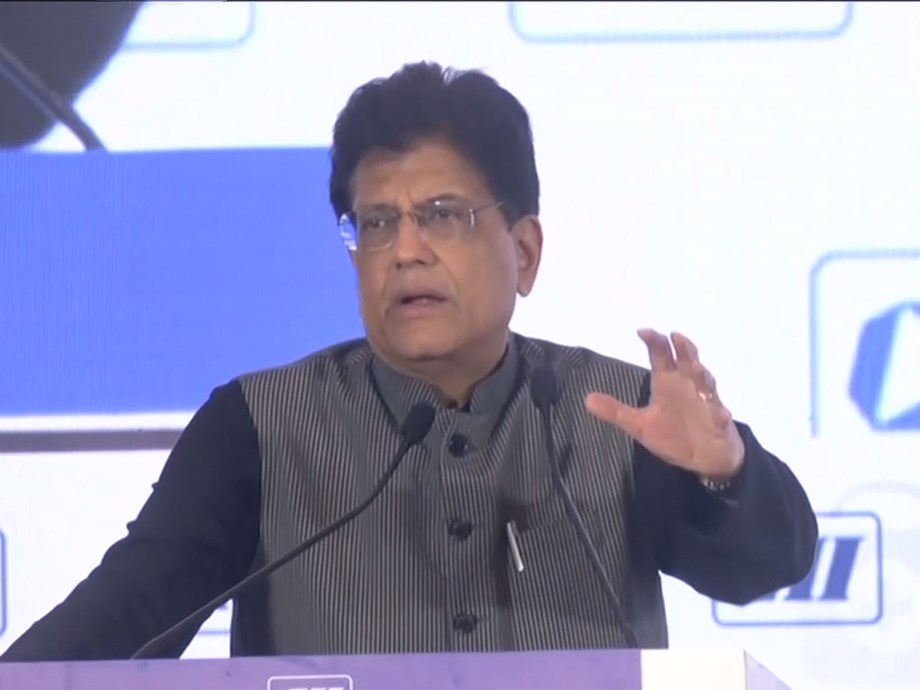
The Commerce and Industry Minister of India, Piyush Goyal, announced plans to introduce a visa-on-arrival system for medical travelers at the 22nd CII Annual Health Summit in New Delhi. This initiative aims to boost India’s health tourism sector and position the country as a global leader in medical care. Goyal urged stakeholders to collaborate under strong leadership to ensure high-quality healthcare for citizens. The government plans to double medical colleges over a decade and expand medical seats in the next five years to bolster the healthcare workforce. Additionally, the ‘Heal in India’ initiative emphasizes integrating Ayurveda with modern medicine.
Key Points:
- Introduction of visa-on-arrival for medical travelers to boost India’s health tourism sector.
- Government commitment to doubling medical colleges over a decade and expanding medical seats in the next five years.
- Integration of Ayurveda with modern medicine under the ‘Heal in India’ initiative.
- Urgency for stakeholders to collaborate under strong leadership for high-quality healthcare.
Actionable Takeaways:
-
Visa-on-Arrival for Medical Travelers: This initiative could significantly increase the number of medical tourists visiting India, thereby boosting the health tourism sector. It positions India as a global medical care leader, attracting international patients seeking high-quality healthcare at competitive prices.
-
Doubling Medical Colleges: By increasing the number of medical colleges, India aims to significantly expand its healthcare workforce. This action is crucial for meeting the growing demand for healthcare services and ensuring high-quality patient care.
- Integration of Ayurveda with Modern Medicine: The ‘Heal in India’ initiative represents a unique blend of traditional and modern healthcare practices. This approach could set a new standard in healthcare delivery, offering patients a holistic treatment option that combines the best of both worlds.
Contextual Insights:
The introduction of a visa-on-arrival system for medical travelers aligns with the current global trend of health tourism, where patients seek high-quality medical care in countries known for their advanced healthcare systems. This move by India is a strategic response to the increasing demand for medical tourism, driven by factors such as rising healthcare costs in developed countries and the desire for advanced treatments. The government’s focus on doubling medical colleges and expanding medical seats reflects a long-term commitment to strengthening the healthcare sector, which is essential for sustaining growth in the health tourism industry.
The integration of Ayurveda with modern medicine is a forward-looking initiative that reflects the evolving landscape of healthcare. As patients become more health-conscious and seek holistic treatment options, the blending of traditional and modern practices can offer a competitive edge to healthcare providers. This approach not only enhances patient care but also positions India as a pioneer in integrating traditional medicine with contemporary healthcare practices.
In conclusion, the announced initiatives by the Indian government are poised to have a significant impact on the health tourism sector. By enhancing the country’s healthcare infrastructure and embracing a holistic approach to healthcare, India is well-positioned to attract a growing number of medical tourists, thereby boosting its economy and establishing itself as a global leader in medical care.
Read the Complete Article.


