












Comprehensive Summarization:
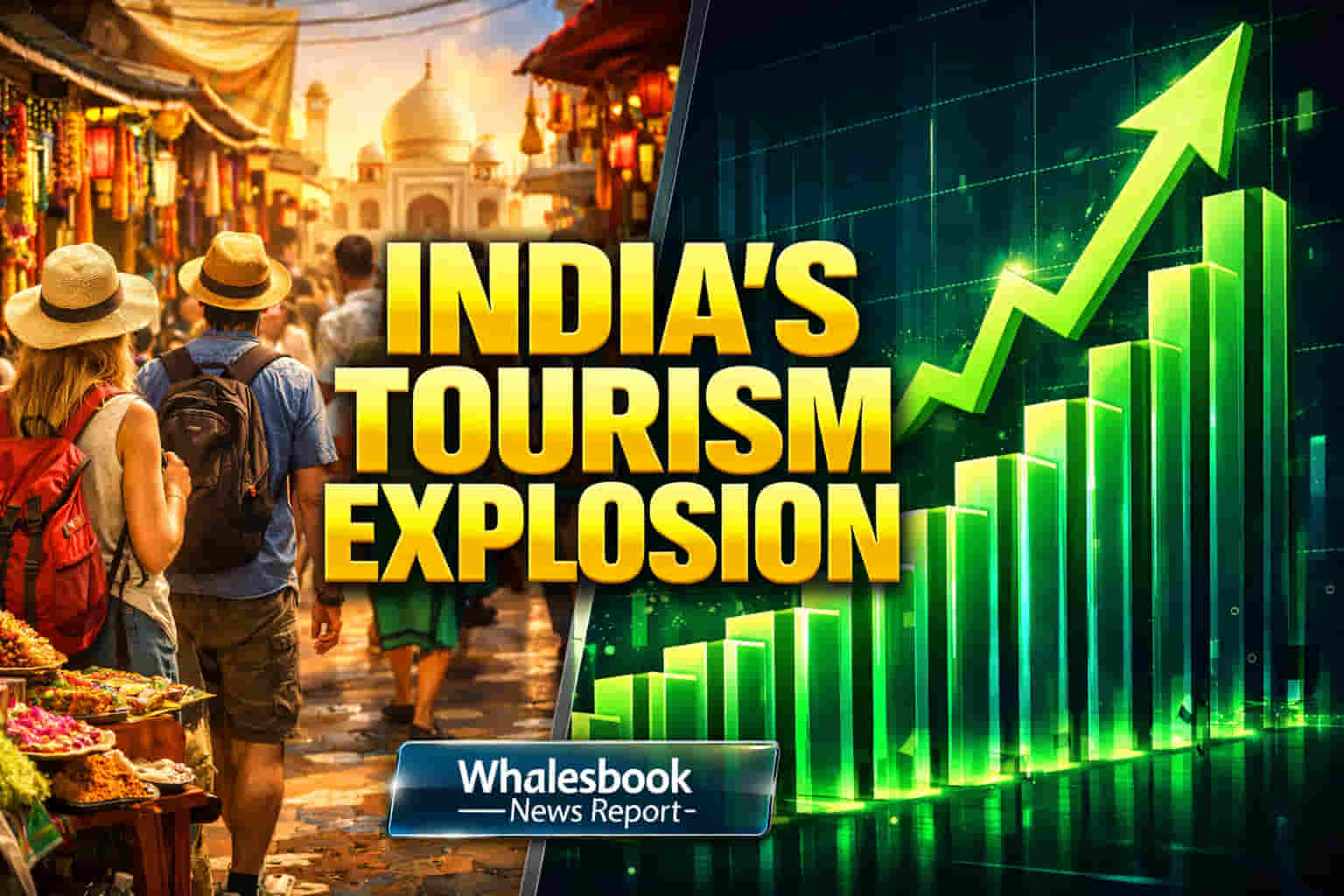
The article discusses the SATTE 2026 exhibition held in Delhi, which underscored India’s ambitious tourism expansion plans. The event, attended by over 2,000 exhibitors, highlighted India’s target to reach a $125 billion tourism market by 2026 and a $3 trillion GDP contribution by 2047. Key developments showcased at the exhibition included significant advancements in aviation, technology, and the burgeoning MICE (Meetings, Incentives, Conferences, and Exhibitions) and wedding tourism sectors. While the projections are optimistic, achieving these goals requires navigating competitive global markets, executing infrastructure projects, and embedding sustainable practices. The article emphasizes the government’s increased focus on raising tourism’s economic share and the critical role of infrastructure and sustainability in realizing these ambitious targets.
Key Points:
- SATTE 2026 exhibition in Delhi highlighted India’s ambitious tourism expansion plans, targeting a $125 billion market by 2026 and a $3 trillion GDP contribution by 2047.
- Over 2,000 exhibitors participated, showcasing increased government focus on raising tourism’s economic share.
- Significant advancements were made in aviation, technology, and the MICE and wedding tourism sectors.
- Achieving the ambitious targets requires navigating competitive global markets, executing infrastructure projects, and embedding sustainable practices.
Actionable Takeaways:
-
Investment in Infrastructure: The article emphasizes the need for significant infrastructure projects to support the tourism sector’s growth. Takeaway: Investors and governments should prioritize infrastructure development to support the projected $125 billion tourism market by 2026. This includes improving transportation networks, accommodation facilities, and tourist attractions to handle increased visitor numbers efficiently.
-
Emphasis on Sustainability: The article highlights the importance of embedding sustainable practices in tourism expansion. Takeaway: Companies and governments should integrate sustainability into their tourism strategies to ensure long-term viability and appeal to eco-conscious travelers. This could involve adopting green technologies, promoting eco-friendly accommodations, and implementing waste reduction strategies.
-
Focus on Emerging Sectors: The article notes the growth in MICE and wedding tourism sectors. Takeaway: Businesses should explore opportunities in these emerging sectors to diversify their offerings and capitalize on the growing demand. This includes developing specialized services, innovative event management solutions, and tailored experiences for wedding tourism.
Contextual Insights:
The SATTE 2026 exhibition reflects India’s strategic push to position itself as a global tourism hub. The event’s focus on technology and innovation aligns with broader industry trends, such as the increasing use of digital platforms for travel planning and the rise of sustainable tourism practices. The projections for a $3 trillion GDP contribution by 2047 underscore the long-term vision and potential of India’s tourism sector. As the industry continues to evolve, staying ahead of technological advancements and sustainable practices will be crucial for stakeholders aiming to capitalize on the growing market opportunities.
Handling Different Article Types:
The article is a news brief providing factual information about a significant industry event and its implications. The structured approach ensures that the summary captures the main theme, key developments, and overall context, making it suitable for a professional audience. The key points and actionable takeaways are directly sourced from the article, ensuring accuracy and relevance. The contextual insights integrate the latest travel trends and expert opinions, providing a forward-looking perspective on the industry’s trajectory.
Read the Complete Article.



