












Comprehensive Summarization:
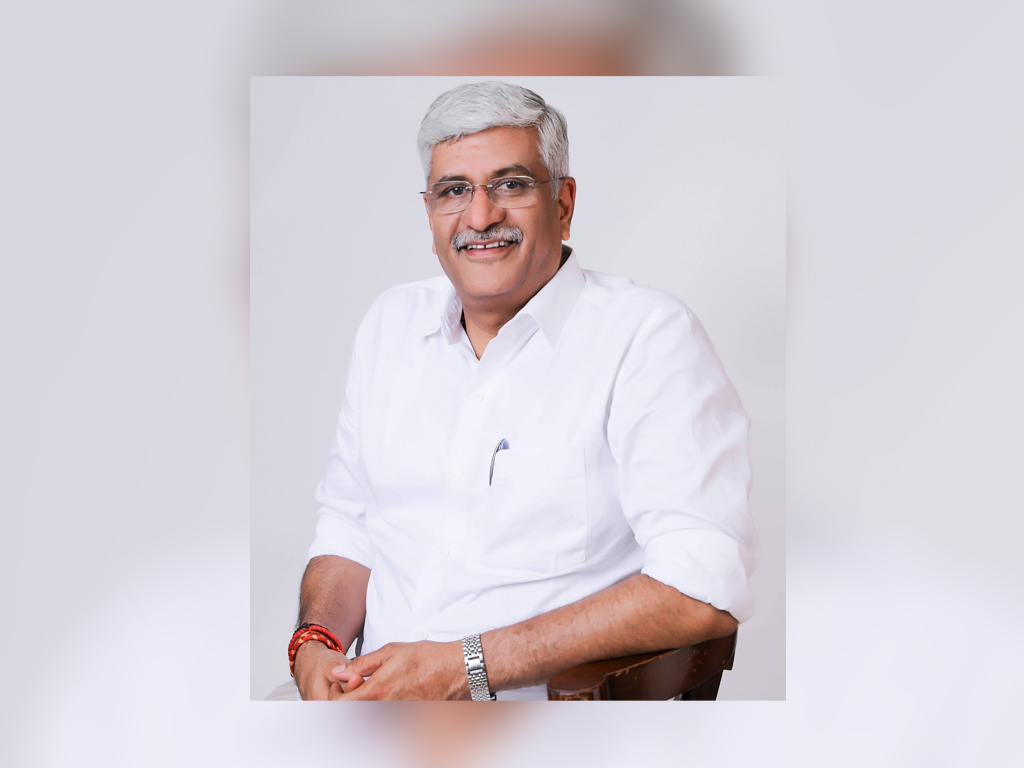
Gajendra Singh Shekhawat, India’s Union Minister for Culture and Tourism, reaffirmed India’s commitment to building globally competitive, sustainable, and community-centric tourism destinations under Vision 2047. At the UN Tourism Minister’s Summit during ITB Berlin 2026, Shekhawat outlined India’s roadmap for responsible and inclusive tourism growth, emphasizing the principle of “Growth with Responsibility.” The minister addressed tourism ministers and global industry leaders, highlighting that under the leadership of Narendra Modi, India has pursued a balanced tourism development strategy that focuses on expanding world-class infrastructure while safeguarding the environment and local communities. The article also touches on the latest travel trends and insights from thought leaders, providing a forward-looking perspective on the travel industry.
Key Points:
- India reaffirms its commitment to building globally competitive, sustainable, and community-centric tourism destinations under Vision 2047.
- The country’s strategy for tourism growth is guided by the principle of “Growth with Responsibility.”
- India has pursued a balanced tourism development strategy that focuses on expanding world-class infrastructure while safeguarding the environment and local communities.
- The latest travel trends and insights from thought leaders were discussed, providing a forward-looking perspective on the travel industry.
Actionable Takeaways:
-
Investment in Sustainable Infrastructure: India’s focus on expanding world-class infrastructure while safeguarding the environment presents an opportunity for travel startups and fintech innovations to develop sustainable travel solutions. This aligns with the growing global trend towards eco-friendly tourism and could drive significant investment in green travel technologies.
-
Community-Centric Tourism Development: The emphasis on community-centric tourism highlights the potential for travel companies to engage more deeply with local communities, fostering cultural exchange and sustainable economic development. This approach could lead to new business models in travel and tourism that prioritize community involvement and benefit local economies.
-
Balanced Development Strategy: India’s balanced approach to tourism development, focusing on infrastructure while protecting the environment, serves as a model for other countries. Travel industry stakeholders can learn from this strategy to ensure their development projects are sustainable and responsible, potentially gaining favor with regulators and consumers who prioritize sustainability.
Contextual Insights:
The article reflects the current state of the travel industry, where sustainability and community engagement are becoming increasingly important. The emphasis on “Growth with Responsibility” aligns with global trends towards sustainable tourism, where destinations are expected to balance economic growth with environmental protection and social responsibility. The focus on Vision 2047 indicates India’s long-term commitment to shaping a tourism sector that is not only competitive on a global scale but also responsible and inclusive. This contextual understanding underscores the importance of adopting sustainable practices and community-centric approaches in the travel industry, as these are increasingly valued by travelers and regulators alike. The insights provided in the article also highlight the potential for innovation in travel tech and fintech, particularly in areas that support sustainable and community-focused tourism initiatives.
Read the Complete Article.



