












Comprehensive Summarization:
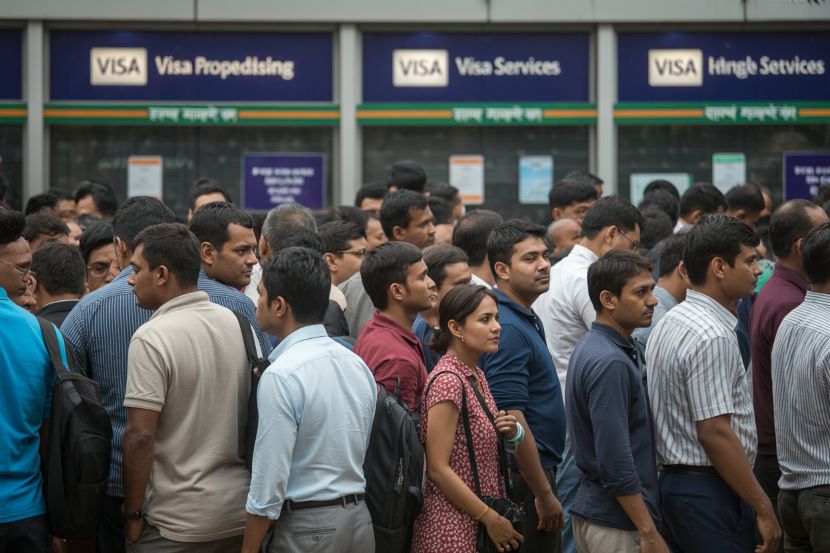
India has announced the full restoration of its visa services in Bangladesh, ending an 18-month delay that significantly impacted business travelers, medical tourists, and the tourism industry. The disruption was primarily caused by attacks on Indian visa centers, leading to a backlog of visa appointments. As of March 1, 2026, Bangladesh’s Home Minister Salahuddin Ahmed confirmed the restoration, bringing relief to numerous travelers and stakeholders in the travel sector. This development is crucial for the business, medical, and tourism communities, as it addresses a major logistical challenge that has hindered travel between the two nations for an extended period.
Key Points:
- India has fully restored its visa services in Bangladesh after an 18-month delay.
- The delay was primarily due to attacks on Indian visa centers, causing significant disruptions to visa appointments and creating a backlog.
- The restoration was confirmed by Bangladesh’s Home Minister Salahuddin Ahmed on March 1, 2026.
- The visa services restoration is expected to benefit business travelers, medical tourists, and the tourism industry.
Actionable Takeaways:
-
Enhanced Travel Logistics for Bangladesh: The restoration of visa services is a significant step for Bangladesh, particularly for business travelers and medical tourists who previously faced considerable delays. This development can lead to increased travel frequency and potentially boost economic activities in both countries. Travel agencies and service providers in the travel sector should prepare to handle a surge in demand, ensuring they have the necessary resources and systems in place to accommodate the increased volume of travelers.
-
Strengthening Bilateral Relations: The restoration of visa services is a positive development for the bilateral relations between India and Bangladesh. It signifies a commitment to improving cross-border interactions, which can have broader implications for trade, cultural exchanges, and diplomatic cooperation. Businesses and policymakers should explore further opportunities for collaboration in sectors such as tourism, healthcare, and business services, leveraging the improved visa infrastructure to foster stronger economic ties.
Contextual Insights:
The restoration of visa services between India and Bangladesh is a timely development that aligns with current trends in global travel and trade. In recent years, there has been a growing emphasis on enhancing bilateral cooperation and reducing bureaucratic hurdles to facilitate smoother travel and commerce between nations. This move by India reflects a strategic effort to bolster economic and cultural ties with Bangladesh, which is crucial given the historical and cultural connections between the two countries.
In the context of the travel industry, this development is particularly relevant as it addresses a long-standing issue that has impacted the travel experience for many. The restoration not only alleviates the immediate burden on travelers but also sets a precedent for other nations to streamline their visa processes. For travel startups and fintech companies, this presents an opportunity to innovate in areas such as visa processing technology, travel insurance, and digital payment solutions, catering to the evolving needs of international travelers.
Moreover, the focus on restoring visa services underscores the importance of technological advancements in travel logistics. As the world becomes increasingly interconnected, efficient visa processing systems become a critical component of travel infrastructure. Innovations in AI, blockchain, and digital identity verification can further enhance the visa application and approval process, making it faster, more secure, and user-friendly. Travel companies that invest in these technologies are likely to gain a competitive edge by offering seamless travel experiences to their customers.
In summary, the full restoration of visa services between India and Bangladesh marks a significant milestone for the travel industry in these regions. It not only resolves a critical logistical issue but also sets the stage for enhanced bilateral cooperation and technological innovation in travel services. Stakeholders across the travel sector should capitalize on this opportunity to drive growth, improve customer experiences, and strengthen economic ties between India and Bangladesh.
Read the Complete Article.



