












Comprehensive Summarization:
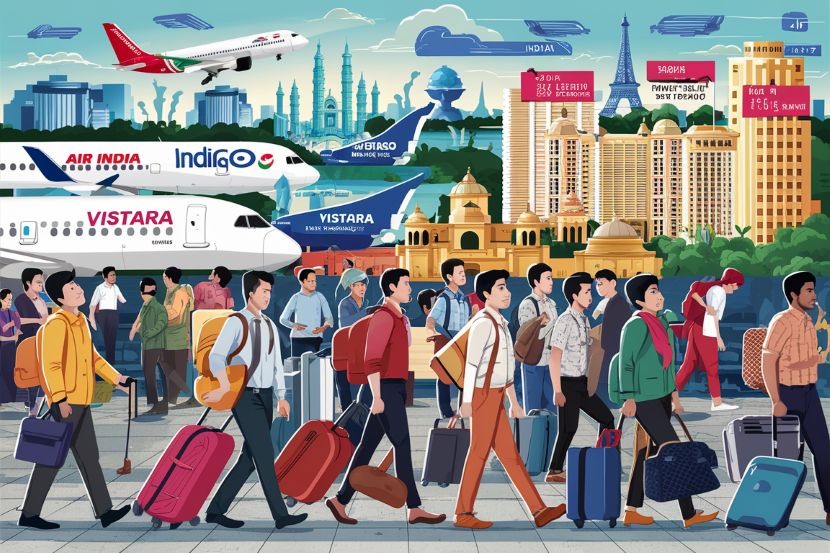
India’s tourism sector is experiencing notable shifts in 2025, primarily driven by diplomatic tensions with Bangladesh and a surge in domestic tourism. The article highlights a decline in inbound travel from Bangladesh, while Indian tourists are increasingly opting for budget-friendly destinations such as Thailand, Malaysia, and the UAE. This shift is influenced by rising domestic hotel costs, visa restrictions, and evolving travel preferences. The travel and hospitality sectors are adapting to these changes, navigating a complex landscape of challenges and opportunities.
Key Points:
- Decline in Inbound Travel from Bangladesh: Recent data indicates a significant drop in tourist arrivals from Bangladesh, impacting the tourism sector negatively.
- Domestic Tourism Surge: Indian nationals are flocking to international destinations in record numbers, seeking budget-friendly alternatives like Thailand, Malaysia, and the UAE.
- Impact of Rising Domestic Costs: The increase in domestic hotel costs is a contributing factor to the shift in travel preferences, prompting a reevaluation of travel destinations.
- Visa Restrictions: Changes in visa policies are also affecting travel patterns, with some destinations becoming less accessible for Indian tourists.
- Adjustments in Travel Preferences: There is a clear trend towards budget-friendly destinations, indicating a change in consumer behavior within the Indian travel market.
Actionable Takeaways:
-
Diversify Marketing Strategies for Domestic Tourism: Given the decline in inbound travel from Bangladesh, travel agencies and destinations should focus on enhancing marketing efforts to attract more Indian tourists domestically. This could involve promotional campaigns highlighting unique local experiences and competitive pricing.
-
Leverage Budget-Friendly Destinations: With Indian tourists increasingly opting for cost-effective travel options, there is an opportunity for travel businesses to develop and promote budget-friendly itineraries to destinations like Thailand, Malaysia, and the UAE. This could include package deals, discounts, and promotional offers to capitalize on this trend.
-
Monitor and Adapt to Visa Policies: Travel industry stakeholders should closely monitor changes in visa policies and adapt their services accordingly. This may involve providing guidance to customers on visa requirements and exploring partnerships with travel agencies that specialize in navigating complex visa regulations.
Contextual Insights:
The article reflects the current state of the Indian travel industry, where diplomatic relations and economic factors play a crucial role in shaping travel trends. The shift towards domestic tourism and budget-friendly destinations underscores a broader trend of travelers seeking value and accessibility. This context is crucial for understanding the strategic shifts within the travel sector, particularly for startups and fintech companies looking to innovate in travel payment solutions and customer engagement strategies. The emphasis on budget-friendly options also highlights the potential for fintech innovations in travel, such as travel credit cards, digital wallets, and payment solutions tailored for budget-conscious travelers.
Read the Complete Article.



