












Comprehensive Summarization:
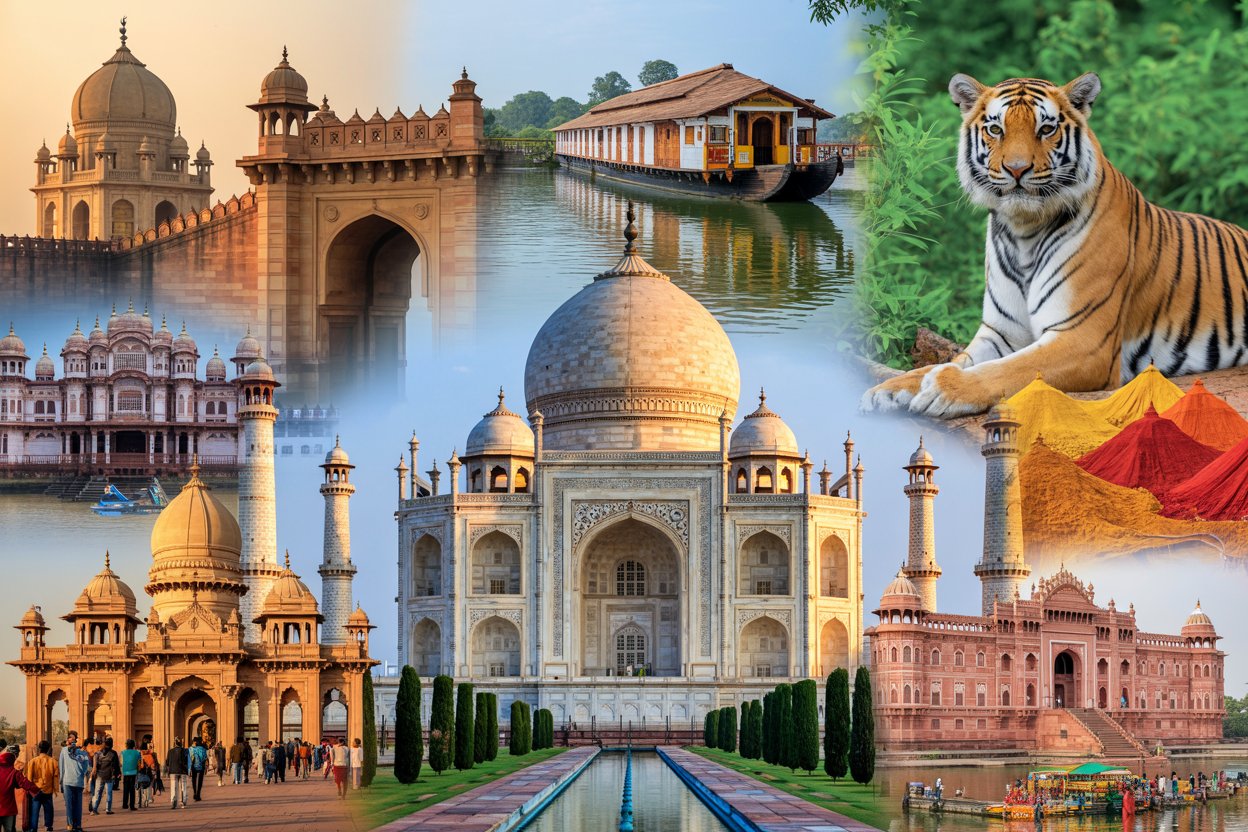
The article announces India’s ambitious tourism strategy for 2026, spearheaded by the Ministry of Tourism. The initiative aims to boost inbound tourism by highlighting India’s rich cultural heritage, sustainable travel options, and unique culinary experiences. This strategy was officially unveiled at the ITB Berlin 2026 tourism trade show. The campaign seeks to position India as an ideal destination for global travelers looking for authentic cultural experiences, sustainable travel, and gastronomic adventures. The article underscores the focus on cultural, sustainable, and culinary travel as key drivers for increasing global arrivals in the coming years.
Key Points:
- India has launched a new tourism strategy for 2026 to increase inbound tourism.
- The strategy emphasizes cultural heritage, sustainable travel, and culinary experiences.
- The Ministry of Tourism is spearheading the campaign, with its unveiling at the ITB Berlin 2026 tourism trade show.
- The campaign aims to position India as an ideal destination for global travelers seeking authentic cultural experiences, sustainable travel options, and unique gastronomic adventures.
Actionable Takeaways:
-
Enhance Cultural Tourism Offerings: Travel companies and destinations should focus on enhancing their cultural tourism offerings to align with India’s new strategy. This includes developing immersive cultural experiences, promoting heritage sites, and collaborating with local artisans and communities to offer authentic cultural interactions.
Relevance: Aligning with India’s emphasis on cultural experiences can attract more global travelers seeking authentic cultural encounters, thereby boosting inbound tourism. -
Promote Sustainable Travel Practices: The article highlights the importance of sustainable travel options in India’s tourism strategy. Travel businesses should invest in sustainable practices, such as eco-friendly accommodations, responsible tourism initiatives, and carbon offset programs.
Relevance: Emphasizing sustainability can appeal to the growing segment of eco-conscious travelers, aligning with global trends and potentially increasing market share. -
Develop Culinary Tourism Experiences: Given the focus on culinary adventures, travel companies should develop unique culinary tourism experiences. This could involve creating food tours, collaborating with local chefs, and promoting regional cuisines to attract food enthusiasts.
Relevance: The culinary aspect of travel is increasingly popular, and by capitalizing on this trend, businesses can tap into a niche market that values unique gastronomic experiences.
Contextual Insights:
The article’s context is set against the backdrop of India’s proactive approach to boosting its tourism sector in the lead-up to 2026. The emphasis on cultural, sustainable, and culinary travel aligns with current global travel trends, which increasingly favor authentic, responsible, and gastronomically rich experiences. This strategy reflects a broader industry shift towards personalized and immersive travel experiences, driven by technological advancements and changing consumer preferences. Thought leaders in the travel industry are increasingly advocating for such holistic approaches, which not only enhance the travel experience but also contribute to sustainable tourism development. By focusing on these key areas, India is positioning itself to capitalize on emerging market trends and meet the evolving expectations of global travelers.
Read the Complete Article.



