












Article Summary:
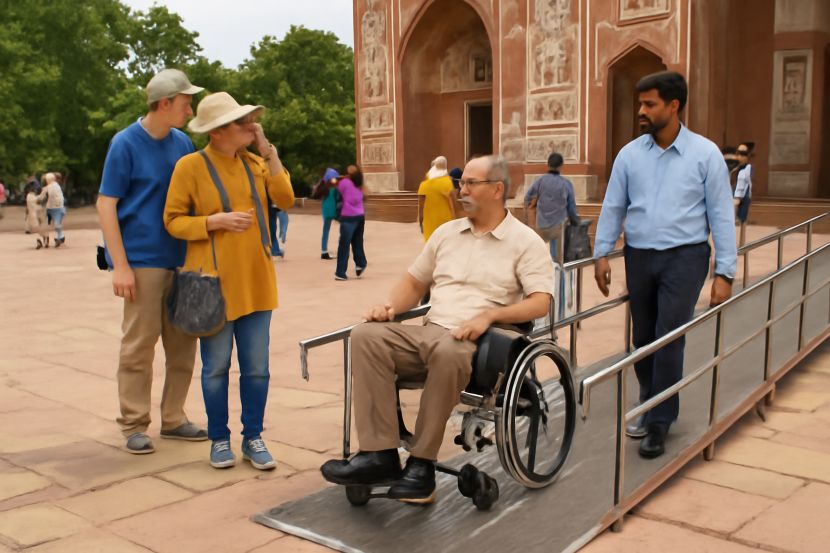
India has introduced a significant shift in its tourism sector by updating its rules to mandate barrier-free facilities for tourist facilities funded by the central government. This initiative, spearheaded by the Ministry of Tourism, Government of India (MoT), aims to enhance inclusivity and accessibility for individuals with disabilities, seniors, and travelers requiring mobility support. By ensuring that hotels, heritage sites, and public amenities are more welcoming, the initiative signals a broader perspective on visitors, recognizing them as a diverse community deserving comfort, dignity, and equal access. This move not only reflects a progressive approach to tourism but also positions India as a leader in inclusive travel practices.
Key Points:
-
Barrier-Free Mandate: The MoT has updated its rules to require barrier-free facilities for tourist facilities funded with central money, enhancing accessibility for people with disabilities, seniors, and those needing mobility support.
-
Inclusive Tourism Vision: The initiative aims to transform the perception of visitors in India from a narrow category to a diverse community, emphasizing comfort, dignity, and equal access for all.
-
Broader Impact: By making tourist facilities more inclusive, the initiative is expected to boost inclusivity and growth in the travel industry, catering to a wider demographic and potentially increasing tourism revenue.
-
Shift in Industry Perception: The change signifies a broader shift in how the travel industry views its visitors, moving towards a more inclusive and diverse approach to tourism.
Actionable Takeaways:
-
Enhance Accessibility Infrastructure: Travel businesses and governments should invest in making tourist facilities barrier-free to align with India’s new mandate. This investment not only ensures compliance with regulations but also taps into a growing market of inclusive travelers, potentially increasing revenue and market share.
-
Promote Inclusive Tourism Marketing: Highlighting inclusive travel options in marketing strategies can attract a broader audience, including individuals with disabilities, seniors, and families with mobility needs. This approach can differentiate businesses in a competitive market and appeal to a larger demographic.
-
Leverage Technology for Accessibility: Utilize technology to improve accessibility, such as installing audio guides, tactile paving, and accessible digital interfaces. This not only meets regulatory requirements but also enhances the overall travel experience for all visitors, aligning with broader travel tech trends.
Contextual Insights:
The introduction of barrier-free facilities in tourist facilities funded by the central government in India marks a significant step towards inclusive tourism. This initiative aligns with the growing global trend of making travel more accessible and inclusive, reflecting a shift in industry perception towards recognizing the diverse needs of travelers. As the travel industry continues to evolve, embracing inclusive practices not only ensures compliance with regulatory requirements but also opens up new market opportunities. By prioritizing accessibility, businesses can cater to a broader audience, enhance customer satisfaction, and position themselves as leaders in the inclusive travel sector. This move is likely to have a positive impact on the travel industry’s growth and inclusivity, setting a precedent for other countries to follow suit.
Read the Complete Article.


