












Article Summary:
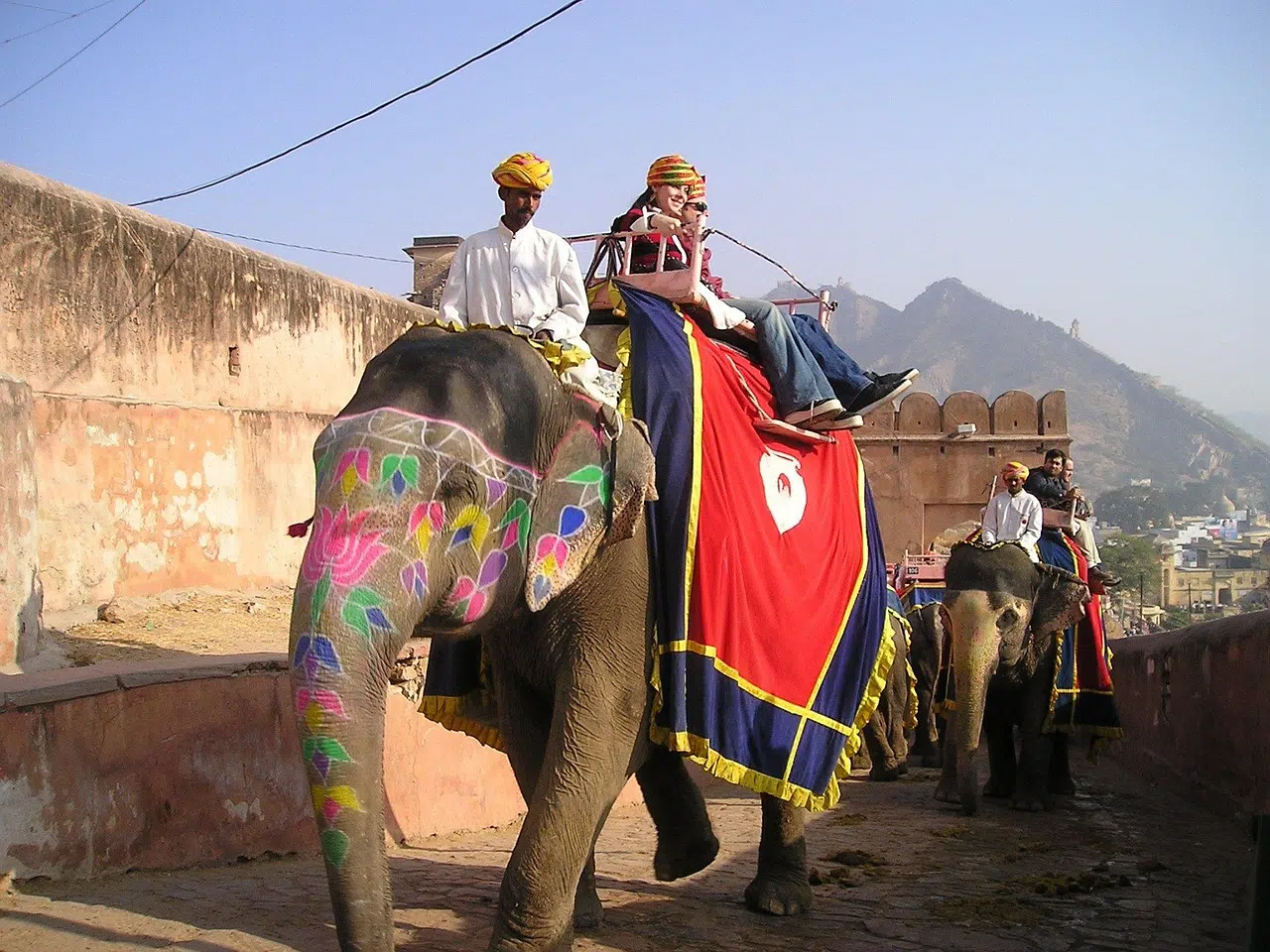
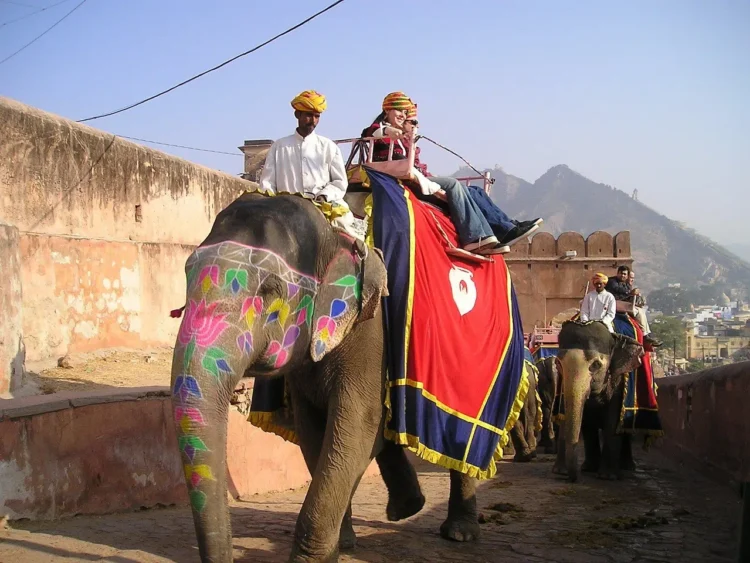
The article discusses the transformation of elephants’ role in Indian culture due to the rise of tourism. Elephants, once integral to religious ceremonies and agricultural work, have become a multimillion-dollar business, primarily through elephant rides in regions like Rajasthan. However, this transformation is marked by the hidden process of forced domestication, where elephants are captured, trained, and deprived of their natural behaviors to ensure obedience. Despite their calm appearance, elephants remain wild animals subjected to routines alien to their biology.
Key Points:
- Elephants have historically been central to Indian culture, used in religious ceremonies, parades, and agricultural work.
- The rise of tourism has transformed elephants’ role from cultural practice to a multimillion-dollar business, primarily through elephant rides.
- The process of forced domestication involves capturing, training, and depriving elephants of their natural behaviors to ensure obedience.
- Despite their calm appearance, elephants are wild animals subjected to routines that are not natural to their biology.
Actionable Takeaways:
-
Ethical Tourism Practices: There is a growing need for ethical tourism practices in the travel industry, particularly in regions where animal-based attractions are popular. Travel companies should prioritize the welfare of animals, ensuring their natural behaviors are respected and not compromised for tourist entertainment. This shift could lead to a more sustainable and responsible tourism model, benefiting both the animals and the local economy.
- Regulatory Frameworks: The article highlights the need for stricter regulatory frameworks to govern the treatment of animals in tourism. Governments and industry bodies should collaborate to establish and enforce guidelines that ensure the humane treatment of animals like elephants. Such regulations could prevent animal abuse, promote ethical tourism, and enhance the industry’s reputation globally.
Contextual Insights:
The transformation of elephants from cultural symbols to a commercial attraction in tourism reflects broader trends in the travel industry, where experiences that offer unique and exotic encounters are highly sought after. This shift underscores the importance of balancing economic interests with ethical considerations. As the industry evolves, there is a growing emphasis on sustainability and animal welfare, driven by increasing consumer awareness and demand for responsible travel options. Thought leaders in the travel sector are advocating for innovations that prioritize ethical practices, such as alternative attractions that do not involve animal exploitation. This trend is likely to influence future travel trends, with a shift towards experiences that respect and preserve wildlife and natural habitats. Startups focusing on eco-friendly and animal-friendly tourism could find significant opportunities in this evolving landscape.
Read the Complete Article.


