












Comprehensive Summarization:
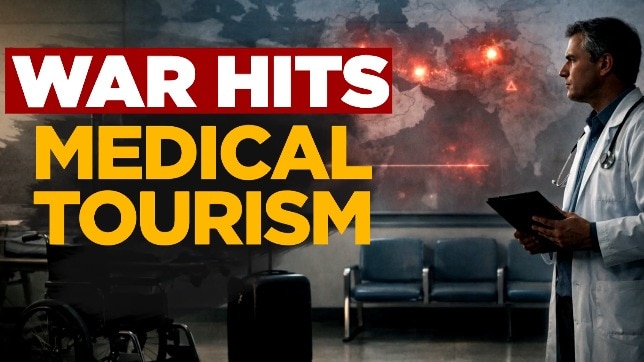
The article discusses the significant impact of the prolonged Iran-Israel war on India’s booming medical tourism sector. Hospital chains report a 50 to 75 percent drop in international patient inflows, with the decline most severe from West Asian countries such as Oman, Saudi Arabia, Iran, Iraq, and Yemen. Fortis Healthcare anticipates a 15 to 20 percent revenue hit for March, while Artemis Hospital has reported a 35 percent dip in revenue in its international segment. Despite these challenges, India’s medical tourism sector, valued at approximately 6.5 billion dollars in 2022, is projected to surpass 13 billion dollars by 2026. The sector’s growth is attributed to India’s clinical talent, global connectivity, and quality healthcare services.
Key Points:
- The Iran-Israel war has led to a substantial decline in international patient inflows to India’s medical tourism sector, with a 50 to 75 percent drop reported by hospital chains.
- West Asian countries, traditionally major sources of medical tourists, are experiencing the most significant impact from the war.
- Fortis Healthcare expects a 15 to 20 percent revenue hit for March, while Artemis Hospital has reported a 35 percent dip in revenue in its international segment.
- Despite the current challenges, India’s medical tourism sector is projected to grow, with a valuation of approximately 6.5 billion dollars in 2022 and a projected value of over 13 billion dollars by 2026.
- The sector’s growth is driven by India’s clinical talent, global connectivity, and quality healthcare services.
Actionable Takeaways:
-
Diversification of Patient Sources: Hospitals and medical tourism operators in India should explore diversifying their patient sources to mitigate the impact of geopolitical conflicts. This could involve targeting other regions or countries less affected by the Iran-Israel war, thereby ensuring a more stable inflow of international patients.
-
Investment in Clinical Talent and Infrastructure: Given the sector’s projected growth, there is a strong emphasis on investing in clinical talent and healthcare infrastructure. This includes upgrading facilities, training medical staff, and adopting advanced medical technologies to maintain high standards of care, which are crucial for attracting international patients.
-
Leveraging Global Connectivity: The article highlights India’s global connectivity as a key factor in its medical tourism success. Hospitals should continue to leverage this advantage by enhancing their online presence, improving patient communication channels, and offering comprehensive travel and accommodation packages to international patients.
Contextual Insights:
The decline in international patient inflows due to the Iran-Israel war underscores the vulnerability of the medical tourism sector to geopolitical tensions. This situation highlights the need for the industry to develop contingency plans and strategies to mitigate risks associated with such events. The projected growth of the sector, despite current challenges, indicates a robust demand for high-quality healthcare services in India. This growth is underpinned by the country’s strong clinical talent pool, advanced healthcare infrastructure, and commitment to maintaining international standards of care. For travel startups and fintech innovations, this presents an opportunity to develop solutions that enhance patient experience, streamline travel logistics, and facilitate secure financial transactions for international patients. By focusing on these areas, the travel and healthcare sectors can not only weather current challenges but also capitalize on emerging opportunities in the global healthcare market.
Read the Complete Article.



