










Sail Through Time: Discover the Timeless Wonders of Upper Egypt Aboard Kenzy Dahabeya
Experience the magic of the Nile aboard Kenzy Dahabeya, a luxury boutique sailing cruise that offers an unforgettable journey between...
Read moreDetails
Comprehensive Summarization:
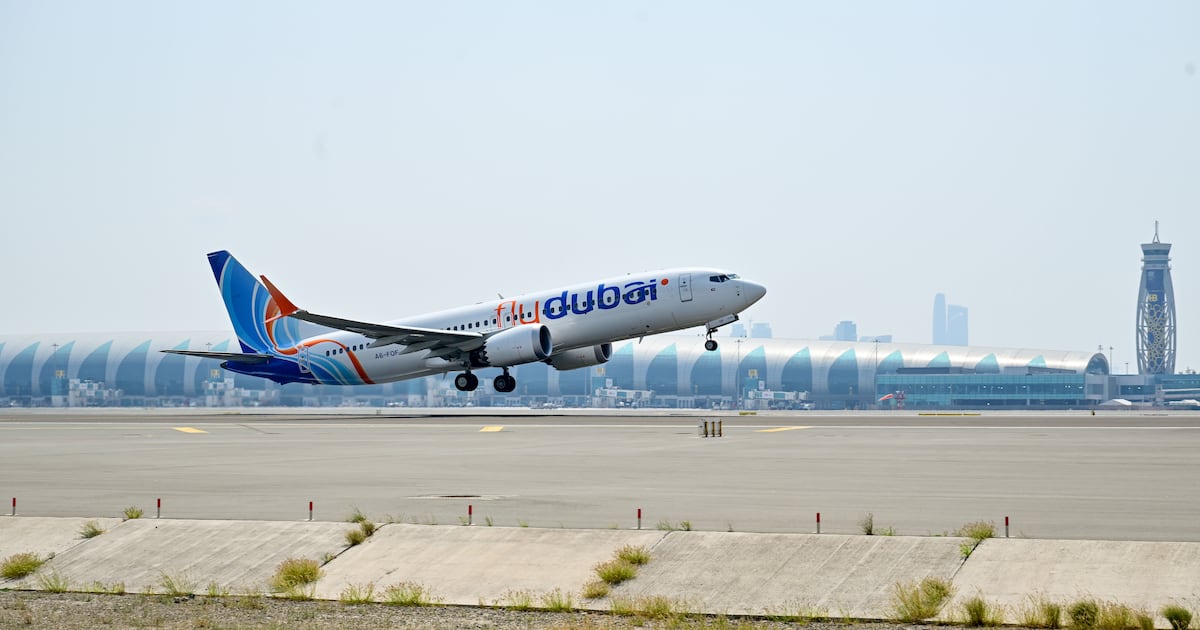
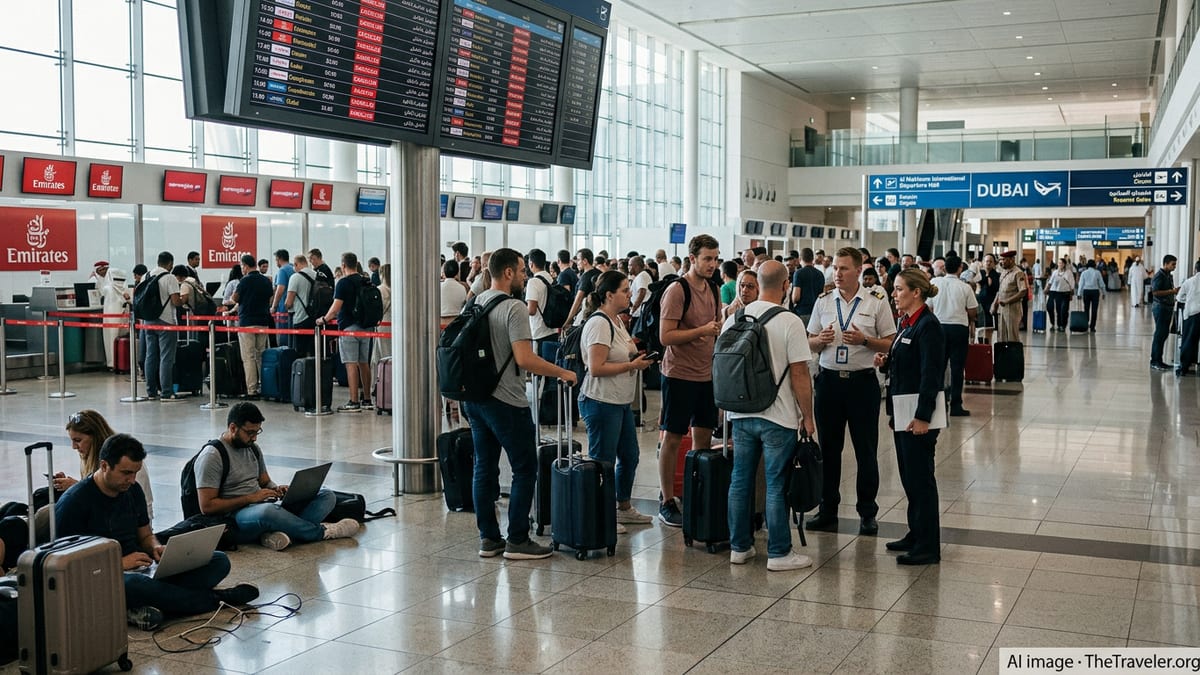
The article discusses the growing concern among nations, including Ireland, Portugal, Russia, Germany, Italy, France, India, Canada, Brazil, and others, over the escalating maritime and aviation blockades caused by conflicts in Iran, Israel, Qatar, the UAE, Jordan, and Oman. These blockades are disrupting global travel, tourism, and cruise operations, placing significant pressure on the travel and tourism industry. The article highlights the urgent need for immediate solutions to mitigate the impact on the travel industry, which is already facing challenges due to geopolitical tensions and the ongoing COVID-19 pandemic. It underscores the importance of innovative solutions in travel tech, fintech, and aviation sectors to ensure continuity and recovery in the face of such disruptions.
Key Points:
Geopolitical Tensions Impacting Travel: The article emphasizes how conflicts in the Middle East are leading to maritime and aviation blockades, severely disrupting travel and tourism activities worldwide.
Broader Impact on Nations: Nations such as Ireland, Portugal, Russia, Germany, Italy, France, India, Canada, Brazil, and others are actively seeking immediate solutions to address the fallout from these blockades on their travel and tourism sectors.
Emergence of Travel Tech Solutions: The article points to the increasing importance of travel technology and fintech innovations in helping the travel industry navigate through crises like these blockades.
Global Travel Industry Challenges: The article reflects on the broader challenges faced by the global travel industry, including the ongoing impact of the COVID-19 pandemic, in the context of geopolitical conflicts.
Actionable Takeaways:
Invest in Travel Tech Solutions: Travel companies should prioritize investments in technology solutions that enhance operational resilience, such as real-time tracking of travel restrictions, digital payment systems for seamless transactions, and AI-driven customer support to manage inquiries efficiently. This is crucial for maintaining service continuity and customer satisfaction during disruptions.
Foster International Collaboration: Nations and industry stakeholders should collaborate to establish protocols and agreements that facilitate smoother travel and cargo operations during conflicts. This could include shared databases for travel advisories, unified communication channels, and joint contingency planning to mitigate the impact of maritime and aviation blockades.
Adopt Flexible Booking Policies: Travel providers should implement flexible booking policies that allow customers to modify or cancel bookings with minimal penalties. This approach can help retain customer loyalty and ensure that travel plans can be adjusted quickly in response to emerging blockades or travel advisories.
Contextual Insights:
The article is set against the backdrop of heightened geopolitical tensions and the ongoing challenges posed by the COVID-19 pandemic. These factors have collectively intensified the vulnerabilities of the global travel industry, making it imperative for stakeholders to adopt proactive measures. The focus on travel tech and fintech innovations reflects a broader industry trend towards digital transformation, aimed at enhancing operational efficiency and customer experience. As the article highlights, the current situation underscores the need for a multi-faceted approach that combines technological innovation with strategic international cooperation to ensure the resilience and recovery of the travel sector.
Handling Different Article Types:
The article is a news brief that provides factual information about the impact of geopolitical conflicts on the travel industry. It does not present an opinion piece or a feature article. Therefore, the analysis and insights provided are strictly based on the factual content presented, ensuring accuracy and relevance to the professional audience.
Read the Complete Article.
Experience the magic of the Nile aboard Kenzy Dahabeya, a luxury boutique sailing cruise that offers an unforgettable journey between...
Read moreDetails



