












Sail Through Time: Discover the Timeless Wonders of Upper Egypt Aboard Kenzy Dahabeya
Experience the magic of the Nile aboard Kenzy Dahabeya, a luxury boutique sailing cruise that offers an unforgettable journey between...
Read moreDetails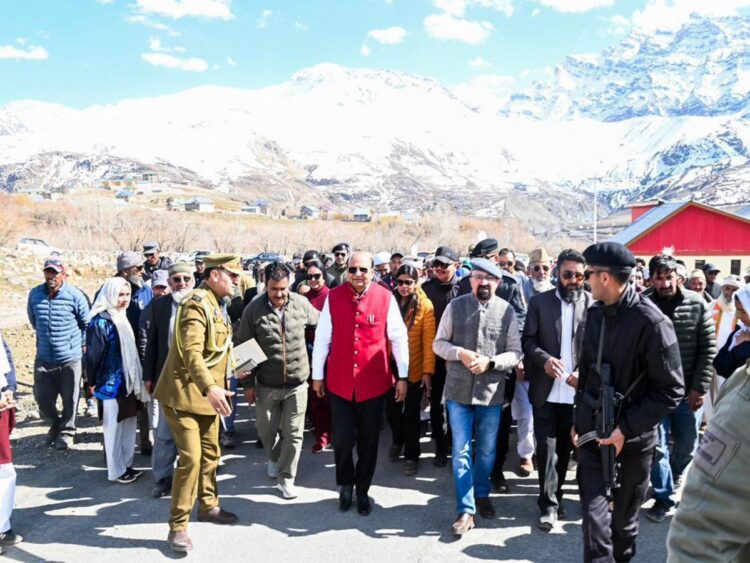
Comprehensive Summarization:
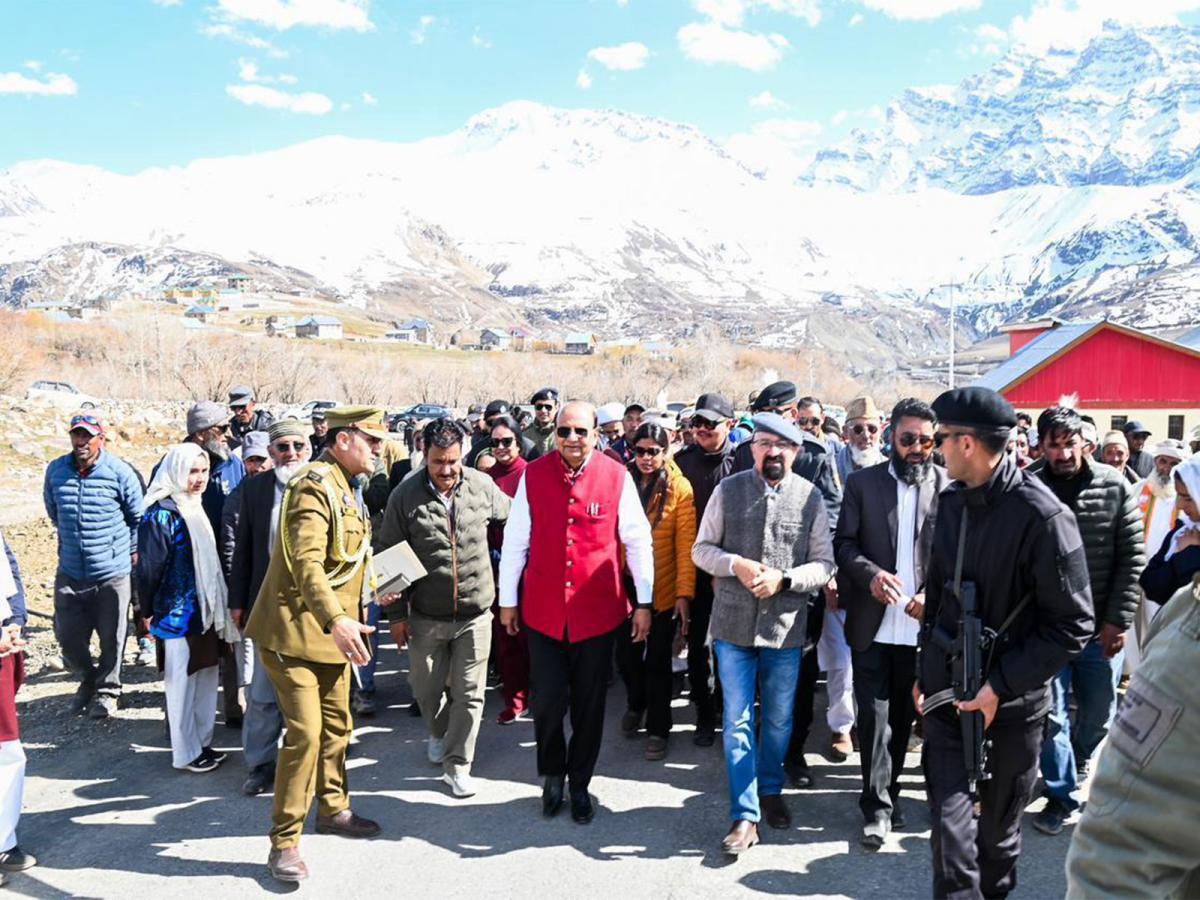
The article reports that Lieutenant Governor Vinai Kumar Saxena of Ladakh, India, has approved significant reforms aimed at deregulating the tourism industry and enhancing the tourist experience. These reforms are designed to reduce the compliance burden on stakeholders and introduce a unified, streamlined, and citizen-friendly registration mechanism for tourism units in the Union Territory. The initiative follows discussions with tourism stakeholders and aligns with broader travel industry trends towards simplification and efficiency. The reforms are part of a larger effort to boost tourism in Ladakh, a region known for its unique cultural and natural attractions.
Key Points:
Actionable Takeaways:
Streamlined Registration Process: The introduction of a unified registration mechanism for tourism units in Ladakh is expected to simplify the process for new entrants and existing businesses. This could lead to increased tourism activity as it lowers the barriers to entry for new businesses and makes it easier for existing ones to comply with regulations. This aligns with current industry trends towards digital transformation and regulatory simplification in the travel sector.
Boost to Tourism Sector: By reducing compliance burdens, the reforms are likely to attract more businesses to the tourism sector in Ladakh. This could lead to an increase in the number of hotels, restaurants, and other tourism-related services, thereby boosting the local economy. This takeaway is particularly relevant given the ongoing recovery of the travel industry post-pandemic and the increasing demand for unique, culturally rich travel experiences.
Alignment with Industry Trends: The reforms align with broader industry trends towards simplification and efficiency in tourism operations. This includes the adoption of technology to streamline processes and improve the customer experience. For startups and established businesses in the travel sector, this presents an opportunity to leverage technology to meet regulatory requirements more efficiently and enhance service delivery to tourists.
Contextual Understanding:
The reforms in Ladakh reflect a broader trend in the travel industry towards simplifying regulations and improving the customer experience. With the travel industry recovering from the impacts of the COVID-19 pandemic, there is a renewed focus on making travel more accessible and hassle-free for tourists. The adoption of technology to streamline processes, such as the registration mechanism for tourism units, is a key trend that is expected to gain momentum in the coming years. Thought leaders in the travel industry have been advocating for such reforms to create a more conducive environment for tourism growth. The reforms in Ladakh are a concrete example of how regulatory changes can be leveraged to boost tourism and support local economies.
Handling Different Article Types:
The article is a news brief providing factual information about a significant development in the tourism sector of Ladakh. The summary, key points, and actionable takeaways are structured to present this information in a clear and concise manner suitable for a professional audience. The context provided helps to place the reforms within the broader context of industry trends and technological advancements, offering a forward-looking perspective on the potential impact of these changes.
Read the Complete Article.
Experience the magic of the Nile aboard Kenzy Dahabeya, a luxury boutique sailing cruise that offers an unforgettable journey between...
Read moreDetails



