












Comprehensive Summarization:
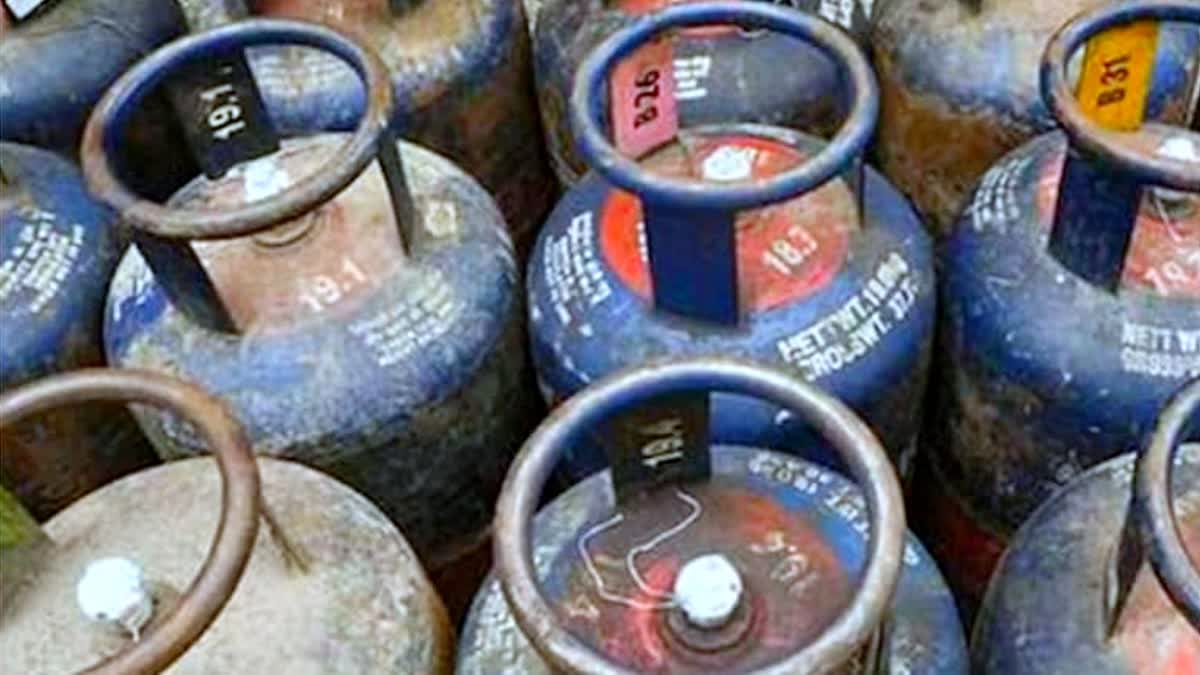
The article discusses the impact of geopolitical tensions involving Iran, Israel, and the US on the supply of commercial LPG in India. This disruption has caused significant operational challenges for the country’s restaurant industry, with many establishments forced to reduce operating hours, limit menus, or temporarily close. The worst affected include independent neighbourhood outlets, quick-service restaurants, large hotel kitchens, and organized food service chains. Industry stakeholders highlight that restaurants typically operate on tight supply cycles for cooking fuel, and any disruption in this supply chain has a cascading effect on service delivery and profitability.
Key Points:
- Ongoing geopolitical tensions between Iran, Israel, and the US are disrupting the supply of commercial LPG in India.
- The restaurant industry in India is facing major operational challenges due to fuel shortages.
- Restaurants are forced to reduce operating hours, limit menus, or temporarily close due to the fuel crisis.
- Independent neighbourhood outlets, quick-service restaurants, large hotel kitchens, and organized food service chains are the worst affected.
- Tight supply cycles for cooking fuel exacerbate the impact of the LPG shortage on the restaurant industry.
Actionable Takeaways:
-
Supply Chain Resilience: Restaurants and food service chains should develop contingency plans for fuel supply disruptions. This could include diversifying fuel suppliers or investing in alternative cooking technologies to mitigate the impact of LPG shortages.
-
Operational Flexibility: Establishments should consider adjusting operating hours or menus to manage fuel constraints effectively. This flexibility can help maintain service levels while minimizing losses due to reduced operating capacity.
-
Investment in Technology: The restaurant industry could benefit from investing in technology that reduces fuel consumption or improves operational efficiency. Innovations in kitchen equipment or energy management systems could provide long-term solutions to fuel-related challenges.
Contextual Insights:
The LPG shortage in India, driven by geopolitical tensions, underscores the vulnerability of the restaurant industry to external shocks. This situation highlights the importance of supply chain resilience in the travel and hospitality sector. As geopolitical risks continue to influence global commodity markets, industry stakeholders must prioritize strategies that ensure operational continuity and financial stability. The article also points to the potential for technological innovation within the sector, suggesting that advancements in energy-efficient cooking solutions could play a crucial role in mitigating future supply chain disruptions. This forward-looking perspective aligns with broader industry trends towards sustainability and technological adaptation, offering a glimpse into how the travel industry might evolve in response to such challenges.
Read the Complete Article.



