












Comprehensive Summarization:
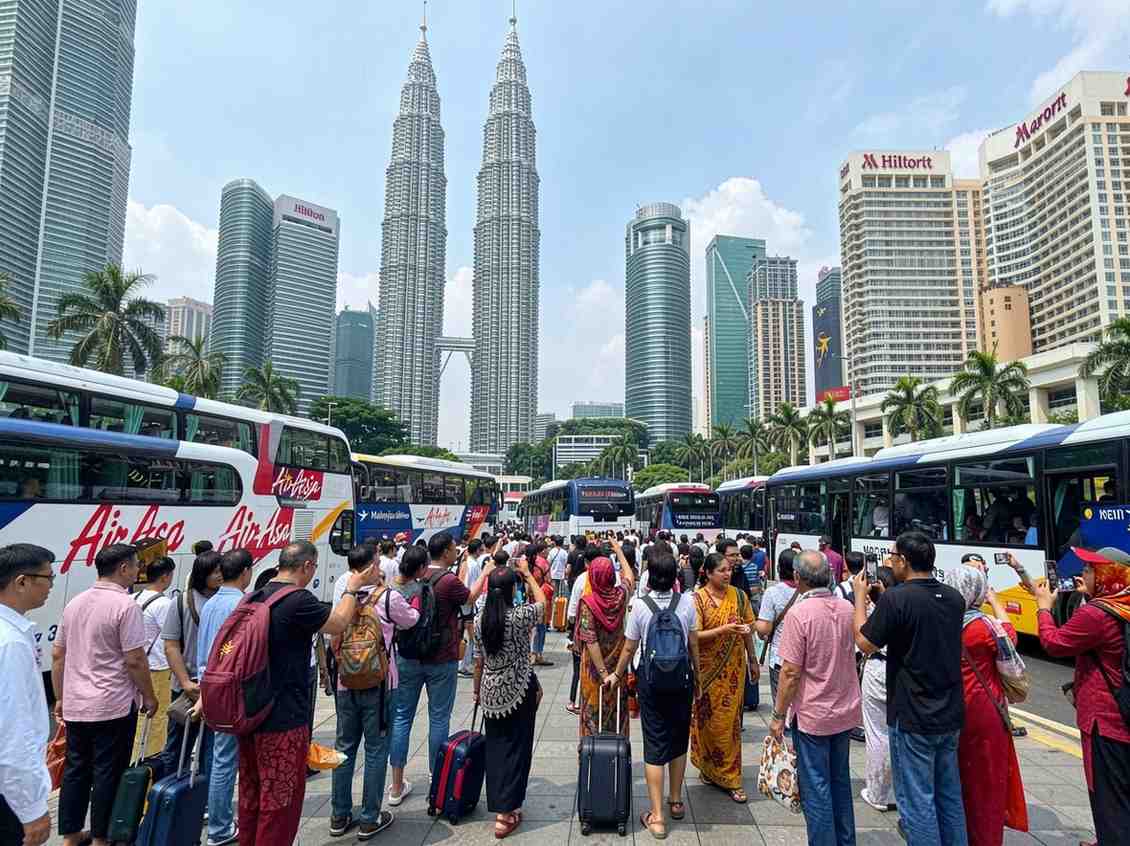
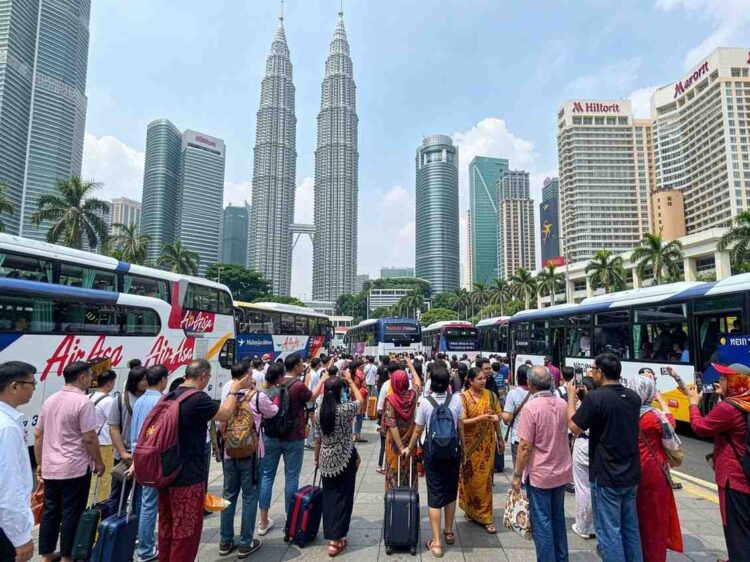
Malaysia has emerged as a leading destination in the global tourism industry, experiencing a surge in visitors from China, India, and Singapore, among others. In 2025, the country welcomed a record-breaking 42.2 million international tourists. This growth is largely attributed to the increasing popularity of Malaysia among these key markets. Airlines such as AirAsia and Malaysia Airlines are capitalizing on this trend, experiencing significant growth. However, the article also raises concerns about wildlife trafficking, indicating that while tourism is booming, there are underlying issues that need to be addressed.
Key Points:
- Malaysia recorded a record-breaking 42.2 million international tourists in 2025, driven by travelers from China, India, and Singapore.
- The surge in tourism is attributed to Malaysia’s growing appeal to these key markets.
- Airlines like AirAsia and Malaysia Airlines are thriving, benefiting from the increased influx of tourists.
- Concerns about wildlife trafficking are highlighted as a significant issue despite the booming tourism industry.
Actionable Takeaways:
- Leverage AirAsia and Malaysia Airlines Growth: Airlines operating in Malaysia can capitalize on the increased tourist traffic by enhancing their services, expanding routes, and improving customer experience to maintain their competitive edge.
- Address Wildlife Trafficking Concerns: Stakeholders in the tourism industry should collaborate with conservation organizations to implement stricter regulations and monitoring systems to combat wildlife trafficking, thereby protecting Malaysia’s natural heritage and enhancing its global reputation.
- Focus on Diverse Market Appeal: Travel companies should continue to tailor their offerings to attract tourists from China, India, and Singapore, ensuring that marketing strategies resonate with these key markets to sustain growth.
Contextual Insights:
The article reflects the current trend of rapid growth in international tourism, particularly in countries like Malaysia, which are strategically positioned to attract tourists from major Asian markets. The emphasis on AirAsia and Malaysia Airlines highlights the importance of airline partnerships in driving tourism growth. The concern over wildlife trafficking underscores the need for a balanced approach to tourism development that prioritizes environmental conservation alongside economic benefits. This context aligns with broader industry trends where sustainability and responsible tourism practices are becoming increasingly important. As travel continues to recover and expand post-pandemic, the insights from this article provide valuable guidance for stakeholders aiming to navigate the evolving landscape of global tourism.
Read the Complete Article.



