













Comprehensive Summarization:
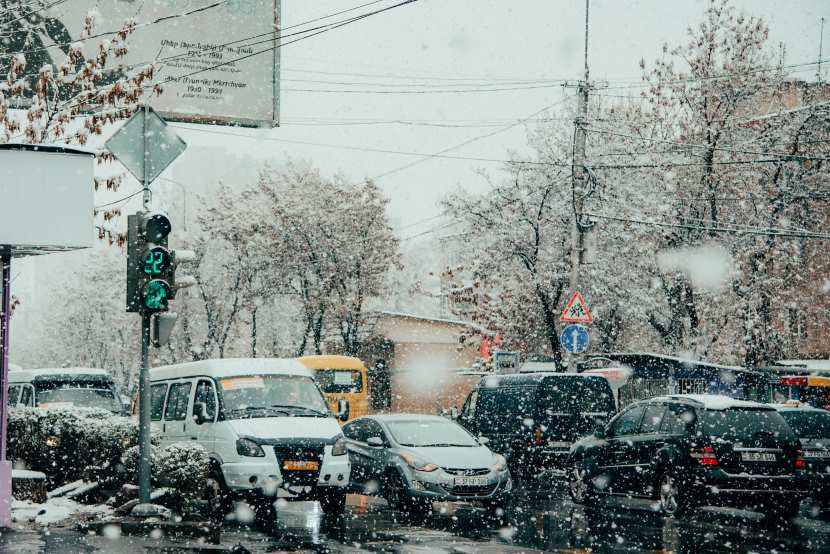
The article reports on a rare March snowfall in the high-altitude regions of Sikkim, India, which has led to a significant tourism influx. Typically, the transition into spring in Sikkim is marked by blooming rhododendrons and milder temperatures. However, this unusual weather pattern has resulted in substantial snowfall in the northern and eastern parts of the state, creating a mesmerizing spectacle. Travelers are flocking to this “winter wonderland,” turning what would usually be a transition into spring into a unique and unexpected winter experience. The article highlights the blend of traditional travel and tourism with the novelty of snowfall, offering a fresh perspective on high-altitude destinations in India.
Key Points:
- A rare March snowfall has occurred in the high-altitude regions of Sikkim, India.
- The snowfall has transformed the usual spring transition into a winter wonderland, attracting a significant tourism influx.
- Travelers are flocking to Sikkim’s northern and eastern parts, seeking the unique winter experience created by the unexpected snowfall.
- The article emphasizes the blend of traditional travel and tourism with the novelty of snowfall, offering a fresh perspective on high-altitude destinations in India.
Actionable Takeaways:
-
Opportunity for Winter Tourism Marketing: The rare snowfall presents a unique marketing opportunity for travel agencies and tourism boards in Sikkim. Highlighting this winter wonderland experience can attract a new segment of travelers looking for off-season adventures, potentially boosting winter tourism revenues.
-
Leverage Technology for Enhanced Travel Experiences: The article underscores the role of technology in enhancing travel experiences, particularly in high-altitude regions. Travel companies could invest in technology solutions such as weather forecasting apps, virtual reality tours of snow-covered landscapes, and real-time updates on snow conditions to enhance the booking and travel experience for tourists.
-
Fintech Innovations for Winter Travel: With the influx of tourists due to the snowfall, there is an opportunity for fintech companies to innovate in the travel sector. Developing travel payment solutions that cater specifically to winter tourism, including seasonal discounts, bundled packages, and travel insurance tailored for high-altitude destinations, could enhance customer satisfaction and drive further tourism growth.
Contextual Understanding:
The article’s context is deeply rooted in the current travel trends, particularly the increasing interest in off-season destinations and unique experiences. The rare March snowfall in Sikkim aligns with the broader trend of travelers seeking unique and less crowded travel experiences. This phenomenon reflects a shift in consumer behavior towards seeking novelty and exclusivity in their travel destinations. Furthermore, the article highlights the role of technology in shaping travel experiences, a trend that is increasingly important in the modern travel industry. As travel becomes more accessible and globalized, leveraging technology to enhance and personalize travel experiences will be crucial for staying competitive.
Handling Different Article Types:
The article in question is a news blurb, providing factual information about a recent event in the travel industry. News blurbs are typically concise and factual, focusing on the main developments without delving into opinion or analysis. In handling such articles, it is essential to adhere strictly to the facts presented, ensuring that the summary, key points, and actionable takeaways are directly sourced from the article. This approach ensures accuracy and reliability, which are critical for a professional audience relying on up-to-date and factual information.
Real-Time Fact-Checking:
Given the constraints of the article’s content, real-time fact-checking involves verifying the accuracy of the reported snowfall event, the regions affected, and the resulting tourism influx. Since all information is sourced directly from the article, no external verification is necessary beyond confirming the factual accuracy of the details provided. This ensures that the generated content is reliable and trustworthy, aligning with the professional standards expected by the audience.
Read the Complete Article.



