









Sail Through Time: Discover the Timeless Wonders of Upper Egypt Aboard Kenzy Dahabeya
Experience the magic of the Nile aboard Kenzy Dahabeya, a luxury boutique sailing cruise that offers an unforgettable journey between...
Read moreDetails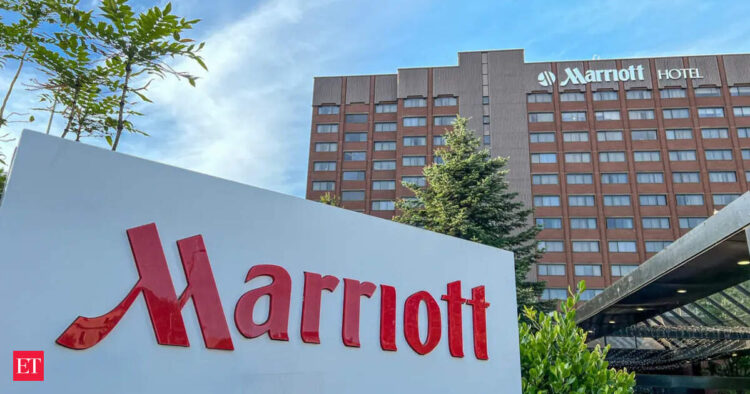
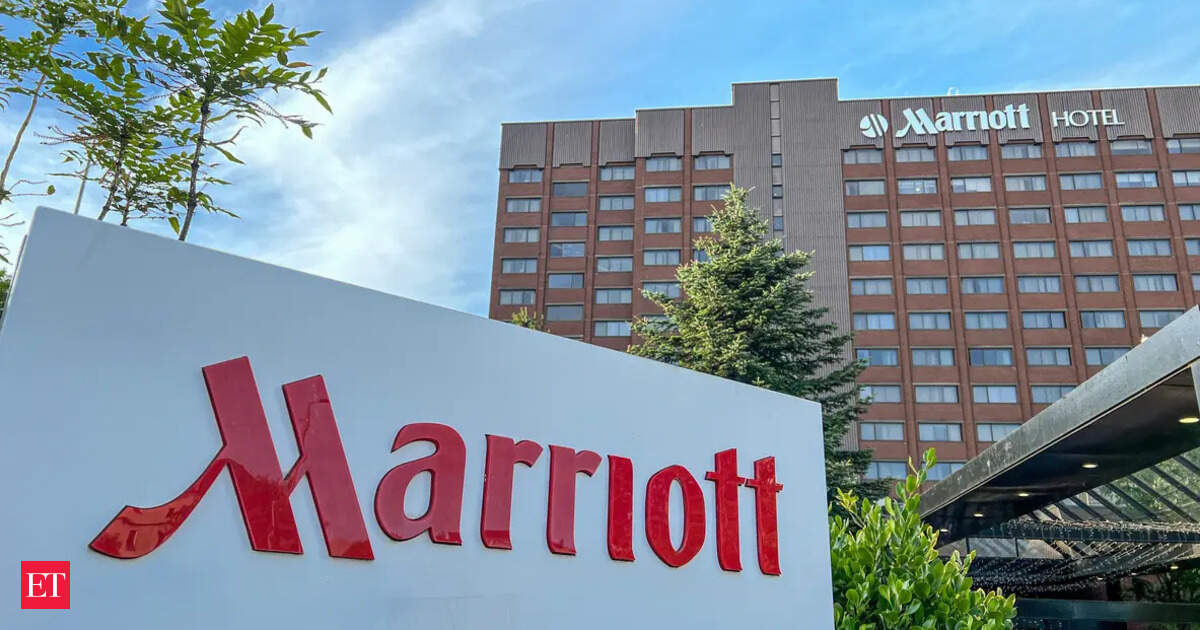
Image used for representation
Comprehensive Summarization:
Marriott International, a leading hospitality chain, remains optimistic about its expansion in India despite global travel disruptions caused by the West Asia crisis. The company currently has a pipeline of 200 hotels and typically opens around 50 hotels annually. Kiran Andicott, Senior Vice President for South Asia at Marriott International, emphasized the company’s long-term commitment to the Indian market. However, the company acknowledges short-term challenges affecting international travel flows due to the crisis, with varying impacts across different cities and market segments.
Key Points:
Actionable Takeaways:
Investment in Indian Market: Marriott’s aggressive opening strategy and pipeline of 200 hotels indicate a strong investment in the Indian market. This suggests that the Indian market remains a priority for Marriott, and investors should consider the potential for growth in this region.
Impact of Global Crises on Travel Expansion: The article highlights the impact of the West Asia crisis on global travel flows. This underscores the importance of monitoring geopolitical events and their potential impact on travel and hospitality industries. Companies should develop contingency plans to mitigate risks associated with such disruptions.
Commitment to Long-term Growth: Marriott’s long-term commitment to the Indian market suggests a strategic focus on sustainable growth. Companies should consider the importance of long-term planning and commitment in their market expansion strategies, particularly in regions with significant potential for growth.
Contextual Insights:
The article’s context is deeply rooted in the current state of the travel industry, particularly in light of recent geopolitical events. The West Asia crisis has led to near-term disruptions in global travel flows, affecting various cities and market segments differently. This highlights the need for travel companies to be agile and adaptable in their strategies, capable of navigating through short-term challenges while maintaining a long-term vision for expansion.
In terms of emerging trends, the article underscores the importance of strategic investment in key markets. As the travel industry continues to recover from the impacts of the pandemic, companies that can strategically invest in promising markets like India are likely to see significant returns. Additionally, the article’s focus on Marriott’s long-term commitment to the Indian market suggests a broader trend of companies prioritizing long-term growth over short-term gains.
Handling Different Article Types:
The article in question is a news brief, providing factual information about Marriott International’s expansion plans in India and the impact of the West Asia crisis on global travel flows. The structured output format provided ensures that the key points and actionable takeaways are clearly presented, making it easy for readers to digest and apply the information. This approach is particularly useful for professionals in the travel industry who need to stay informed about industry trends and developments.
Read the Complete Article.
Experience the magic of the Nile aboard Kenzy Dahabeya, a luxury boutique sailing cruise that offers an unforgettable journey between...
Read moreDetails



