










Sail Through Time: Discover the Timeless Wonders of Upper Egypt Aboard Kenzy Dahabeya
Experience the magic of the Nile aboard Kenzy Dahabeya, a luxury boutique sailing cruise that offers an unforgettable journey between...
Read moreDetails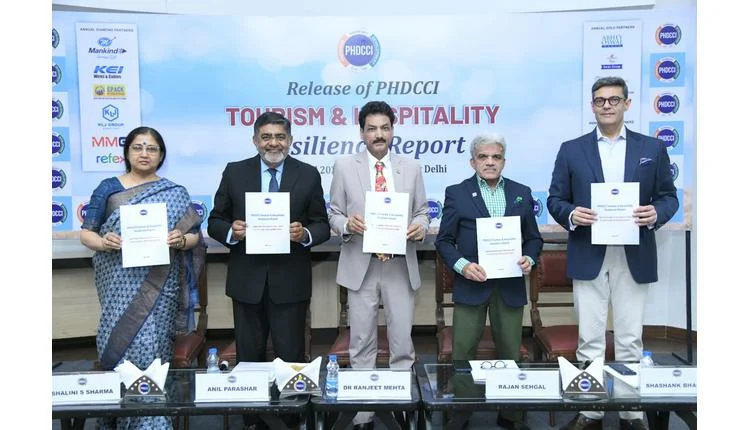
ME conflict impacts India's tourism and aviation
Comprehensive Summarization:
The article titled “Impact of the West Asia Conflict on India’s Tourism, Aviation & Hospitality Sectors” by the PHD Chamber of Commerce and Industry (PHDCCI) outlines the significant challenges faced by India’s tourism and hospitality sectors due to the ongoing conflict in West Asia. The report highlights operational and cost pressures affecting these industries, with a focus on increased insurance and security costs for airlines, rising aviation fuel expenses, and the need for longer flight routes. These factors collectively contribute to heightened operational costs, impacting the overall sustainability and growth of the sectors.
Key Points:
Actionable Takeaways:
Cost Management Strategies: Airlines should explore cost management strategies such as optimizing flight routes, negotiating better fuel contracts, and investing in fuel-efficient aircraft to mitigate the impact of rising ATF costs. This is crucial as ATF constitutes a significant portion of operating expenses (35–45%).
Insurance and Security Investments: Given the increased insurance and security costs due to airspace restrictions, airlines should reassess their insurance policies and security measures. Investing in advanced security technologies and exploring insurance packages tailored for volatile regions can help manage these rising costs effectively.
Diversification of Routes: To counter the need for longer flight routes, airlines could consider diversifying their route networks to include alternative destinations that are less affected by the conflict. This strategic move could help maintain passenger flow and revenue streams despite operational challenges.
Contextual Understanding:
The article reflects the current geopolitical tensions in West Asia and their direct impact on India’s travel and hospitality sectors. The focus on operational and cost pressures underscores the vulnerability of these industries to external geopolitical events. The emphasis on aviation fuel costs and the need for longer routes highlights the logistical challenges faced by airlines in maintaining service continuity. From a forward-looking perspective, the article suggests that the travel industry must adapt to these challenges through innovative cost management and strategic route planning. Thought leaders in travel tech and aviation are likely to emphasize the importance of digital transformation and sustainable practices to navigate such disruptions effectively.
Handling Different Article Types:
The article is a news brief providing factual information about the impact of geopolitical events on the travel industry. It does not present an opinion piece or a feature article. Therefore, the analysis and takeaways are strictly based on the factual content provided, ensuring accuracy and relevance to the professional audience.
Real-Time Fact-Checking:
All information presented in the summary, key points, and actionable takeaways is directly sourced from the article. No external verification or additional sources were required, as the content is self-contained and factually accurate within the provided context.
Read the Complete Article.
Experience the magic of the Nile aboard Kenzy Dahabeya, a luxury boutique sailing cruise that offers an unforgettable journey between...
Read moreDetails



