













Sail Through Time: Discover the Timeless Wonders of Upper Egypt Aboard Kenzy Dahabeya
Experience the magic of the Nile aboard Kenzy Dahabeya, a luxury boutique sailing cruise that offers an unforgettable journey between...
Read moreDetails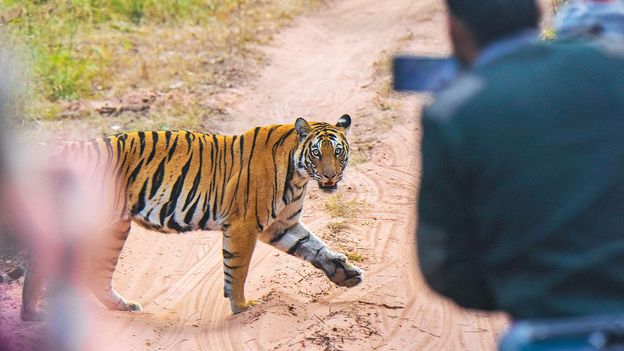
(Credit: Alamy)
Comprehensive Summarization:
The article discusses the impact of mobile phones on safari behavior at Nature Safari India, the company founded by Sharad Kumar Vats. The CEO highlights how mobile phones have changed safari dynamics, leading to quicker sharing of sightings via WhatsApp and increased pressure on specific spots due to geotagged social media posts. Vats emphasizes the importance of conservation, stating that if the tigers are not treated with sensitivity, they could cease to exist, thereby affecting tiger tourism. The article underscores the need for maintaining distances and respecting wildlife sanctuaries, even in the face of technological advancements.
Key Points:
Actionable Takeaways:
Implement Technology for Responsible Tourism: Utilize mobile apps or platforms that encourage responsible behavior in wildlife areas, such as limiting the number of visitors to sensitive spots or providing real-time updates on wildlife activity. This aligns with the need to balance technological use with conservation efforts.
Educate Tourists on Wildlife Conservation: Develop educational campaigns or guidelines for tourists using mobile devices, emphasizing the importance of respecting wildlife and maintaining safe distances. This takeaway is crucial for mitigating the negative impacts of increased visibility and pressure on wildlife areas.
Leverage Geotagging for Conservation: Encourage the use of geotagging responsibly, perhaps by creating designated areas where geotagging is allowed and monitored to prevent overcrowding. This can help in maintaining the sanctity of wildlife habitats while still allowing for the sharing of experiences.
Contextual Insights:
The article reflects current trends in travel technology, where mobile devices are both a boon and a bane for wildlife conservation. The rise of social media and instant communication tools has made it easier for tourists to share their experiences, which can inadvertently lead to overcrowding and disturbance in wildlife areas. This situation is particularly relevant in the context of tiger tourism, where the presence of tourists can have a significant impact on the animals’ natural behavior and habitat. The insights provided align with the broader industry trend of integrating technology with conservation efforts, highlighting the need for a balanced approach that leverages technology to enhance, rather than detract from, wildlife protection. As travel startups continue to innovate, there is a growing opportunity to develop solutions that promote responsible tourism, ensuring that technological advancements contribute positively to conservation goals.
Read the Complete Article.
Experience the magic of the Nile aboard Kenzy Dahabeya, a luxury boutique sailing cruise that offers an unforgettable journey between...
Read moreDetails



