












Northeast India: Charting a Course to Become the Next Global Travel Frontier
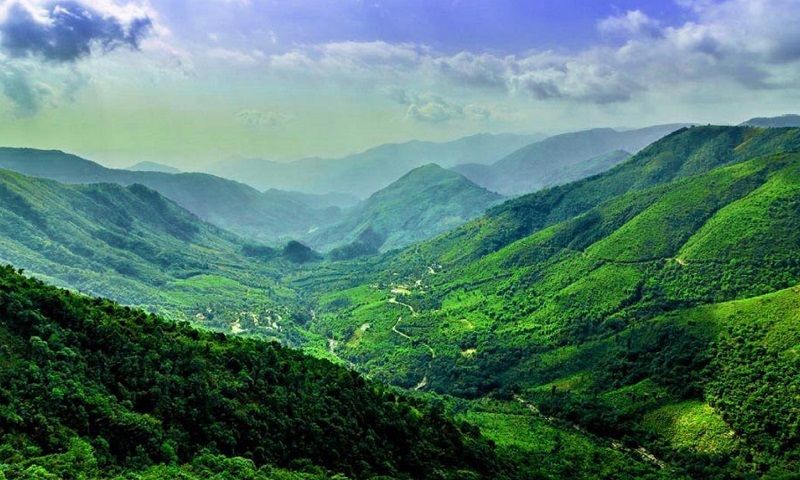
Northeast India possesses significant untapped potential to emerge as a premier global travel destination. However, realizing this vision requires strategic development across various sectors, from infrastructure and connectivity to marketing and the preservation of its unique cultural heritage. This region, comprising eight states, offers a diverse tapestry of landscapes, biodiversity, and cultural experiences that are not widely known on the international tourism map.
The article highlights that for Northeast India to achieve its potential, a concerted effort is needed to address existing challenges. These include improving accessibility, enhancing tourist facilities, and developing a robust marketing strategy that effectively communicates the region’s appeal. The focus needs to be on creating a sustainable tourism ecosystem that benefits local communities while safeguarding the natural and cultural assets that make the region so distinct.
A critical aspect of this development is improving connectivity. While air and road infrastructure have seen some progress, further investment is crucial to ensure seamless travel for both domestic and international tourists. This includes enhancing last-mile connectivity to remote yet attractive locations.
Furthermore, the region needs to invest in quality accommodation and hospitality services that meet international standards. This will not only enhance the tourist experience but also contribute to the economic growth of the local population. Training and skill development for those employed in the tourism sector are also essential to ensure professional service delivery.
The unique cultural heritage of Northeast India, with its myriad of indigenous communities, traditions, and festivals, is a major draw. However, this heritage needs to be presented and preserved in a way that is authentic and respectful. Promoting responsible tourism practices will be vital to prevent the commodification of culture and ensure its long-term survival.
Marketing the region effectively on a global scale is another significant undertaking. Developing compelling narratives and targeted campaigns that showcase the diverse offerings of Northeast India, from adventure tourism and ecotourism to cultural immersion, will be key to attracting a wider audience. Collaborations with international travel agencies and participation in global tourism expos could play a crucial role in this regard.
Addressing safety and security concerns, alongside environmental conservation efforts, will also be paramount in building trust and encouraging tourism. A holistic approach that involves government agencies, local communities, and private stakeholders is necessary to transform Northeast India into a thriving travel destination.
The article suggests that by focusing on these key areas, Northeast India can successfully position itself as the next significant frontier in global tourism, offering unparalleled experiences to travelers seeking authenticity and adventure.
Key Points
Read the Complete Article.


