












Comprehensive Summarization:
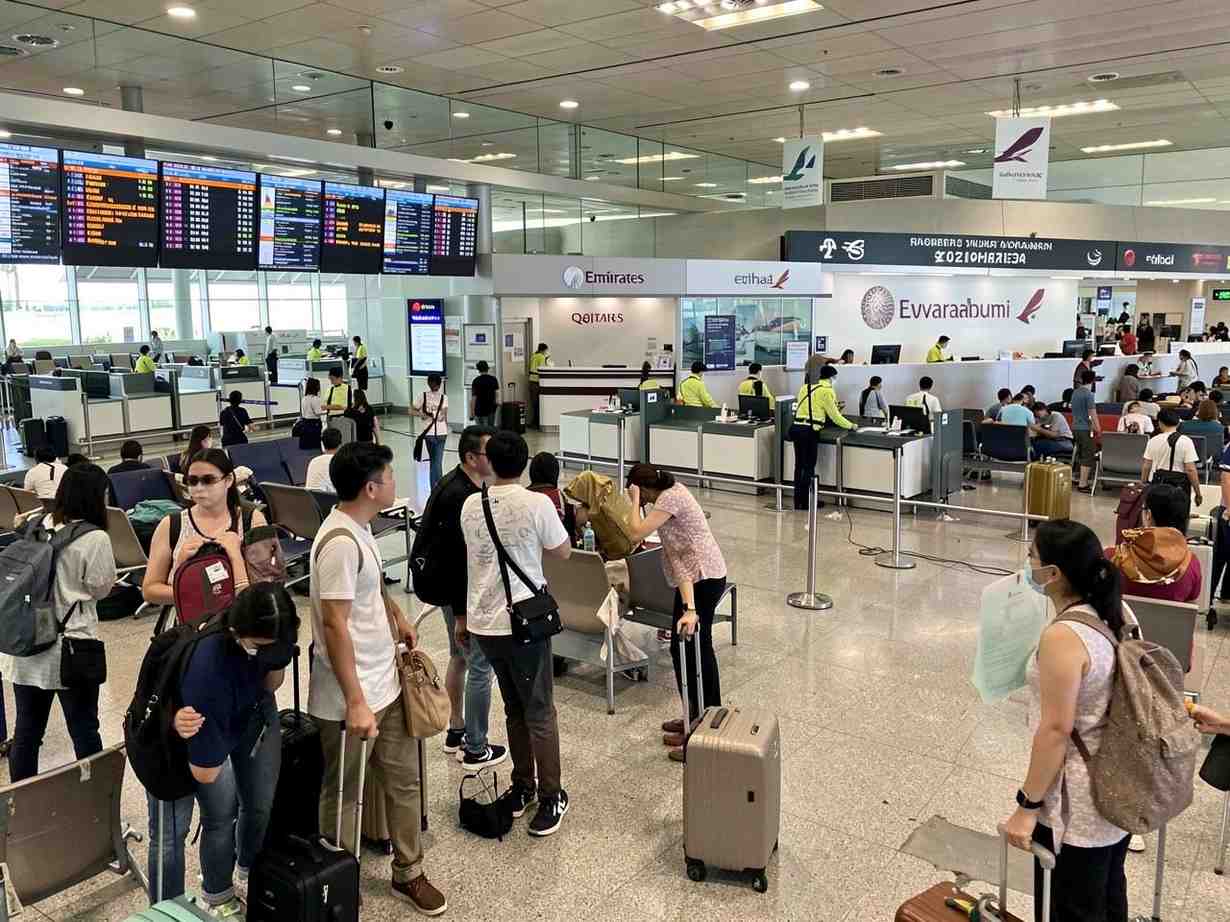
The article reports a significant downturn in outbound trips from the UK, China, India, Russia, Malaysia, and South Korea, attributed to disruptions in Emirates, Qatar Airways, and Etihad flights. These disruptions have caused an unprecedented B40bn revenue collapse in Thailand’s tourism sector. The article highlights the closure of Middle Eastern airspace due to regional conflicts, which has led to reduced flight schedules and adversely affected travel plans. Major hotel chains like Bangkok Hilton, Marriott, and Accor are bracing for a sharp revenue drop as a result of this tourism collapse.
Key Points:
- Outbound trips from key markets (UK, China, India, Russia, Malaysia, South Korea) have plummeted due to Emirates, Qatar Airways, and Etihad flight disruptions.
- The tourism sector in Thailand is experiencing a B40bn revenue collapse.
- Middle Eastern airspace closure due to regional conflicts has led to reduced flight schedules.
- Leading hotel chains (Bangkok Hilton, Marriott, Accor) are preparing for a sharp revenue drop.
- The article emphasizes the impact on Thailand’s tourism sector and the broader travel industry.
Actionable Takeaways:
-
Diversify Travel Itineraries: Travel agencies and tour operators should encourage diversification of travel itineraries to mitigate risks associated with single-market dependencies. This can help in spreading risk and ensuring steady revenue streams despite regional disruptions.
-
Invest in Alternative Destinations: Travel businesses should explore partnerships and marketing strategies focused on alternative destinations. This proactive approach can help in retaining customers and maintaining revenue levels during periods of downturn in traditional markets.
-
Enhance Digital Travel Solutions: Given the flight disruptions, there is an opportunity for travel tech companies to enhance digital travel solutions, such as virtual tour experiences, online booking platforms, and real-time itinerary adjustments. This can improve customer satisfaction and operational resilience.
Contextual Insights:
The article reflects the current challenges faced by the global travel industry, particularly in light of geopolitical tensions and flight disruptions. The emphasis on Thailand’s tourism sector highlights the vulnerability of travel-dependent economies to external shocks. This situation underscores the importance of resilience and adaptability in the travel sector. Furthermore, the focus on hotel chains preparing for revenue drops signals a broader trend of financial instability within the hospitality industry. From a forward-looking perspective, the article suggests that the travel industry must increasingly rely on digital innovations and diversified offerings to navigate future uncertainties effectively. Thought leaders in the travel sector are likely to advocate for greater investment in technology and strategic diversification to build more robust and resilient business models.
Read the Complete Article.



