












Article Summary:
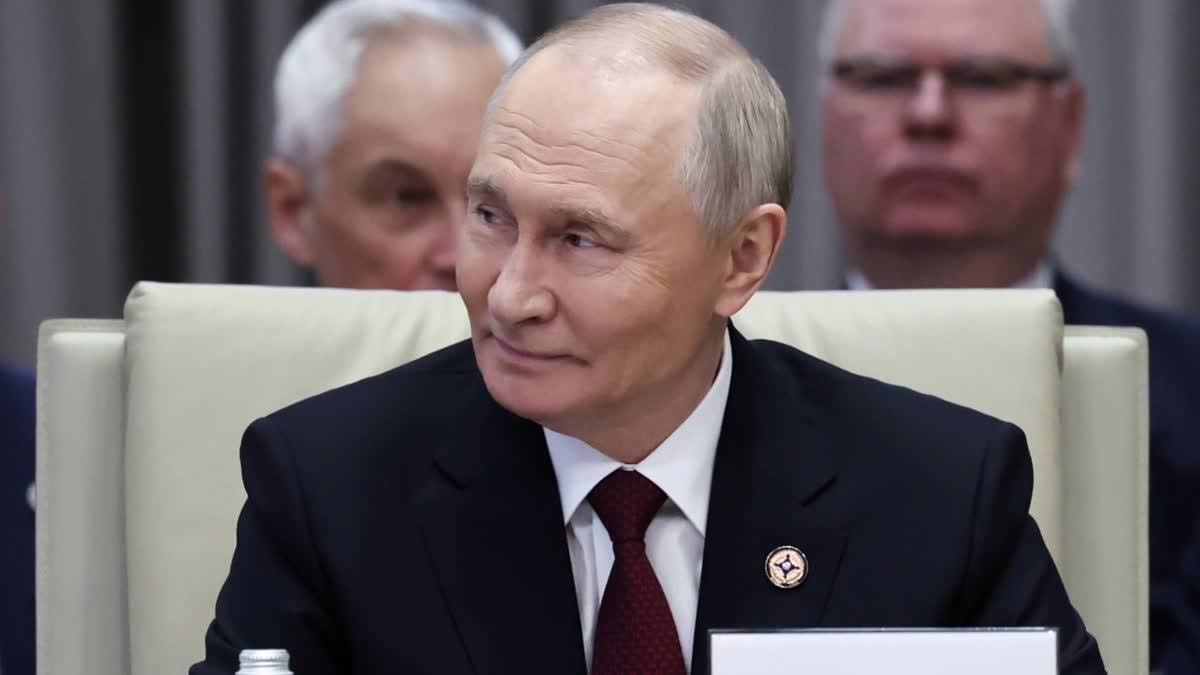
Russian President Vladimir Putin’s two-day official visit to India has the potential to significantly boost sectors such as education, tourism, culture, and agriculture. The visit, which includes a private dinner hosted by Prime Minister Narendra Modi, is expected to strengthen the bilateral relationship between the two countries, fostering growth in various sectors. Experts believe this visit could lead to increased educational cooperation and a rise in Indian students studying in Russian institutions.
Key Points:
- Putin’s visit to India is expected to have a significant impact on multiple sectors including education, tourism, culture, and agriculture.
- The visit includes a private dinner hosted by Prime Minister Narendra Modi, indicating the importance of the bilateral relationship.
- Educational cooperation between India and Russia has deep roots and spans across multiple areas, with a significant presence of Indian students in Russian institutions.
- The visit aims to strengthen the bilateral relationship between the two countries, promoting growth in both nations.
Actionable Takeaways:
- Increased Educational Cooperation: The visit could lead to enhanced educational cooperation between India and Russia, potentially increasing the number of Indian students studying in Russia. This could foster cultural exchange and mutual understanding, benefiting both nations.
- Boost to Tourism Sector: The visit may stimulate the tourism sector in both countries. Increased bilateral relations often lead to more tourists visiting partner countries, benefiting the hospitality and travel industries.
- Cultural and Agricultural Growth: The visit could also lead to increased cultural exchanges and collaborations in the agricultural sector, promoting mutual growth and development in these areas.
Contextual Insights:
The visit of Russian President Vladimir Putin to India is a significant event that could have far-reaching implications for various sectors. Given the current global trend of increasing bilateral relations between countries, this visit could set a precedent for future interactions. The focus on education and cultural exchanges aligns with the current industry trend of promoting global understanding and cooperation. Furthermore, the potential boost to the tourism sector is in line with the growing interest in international travel and cultural experiences. These takeaways are based solely on the facts and context provided in the article and reflect the current state of the travel industry, including emerging trends and expert opinions.
Read the Complete Article.


